Will Railway Fares Increase on December 26 to Generate an Additional Rs 600 Crore?
Synopsis
Starting December 26, Indian Railways will implement a fare hike designed to generate an additional Rs 600 crore. This adjustment affects journeys over 215 km while maintaining affordability for shorter trips. The decision comes amidst rising operational costs and aims to enhance railway safety and efficiency.
Key Takeaways
Fare increase effective from December 26.
Extra charge of 1 paisa per km for journeys over 215 km.
No fare hike for journeys shorter than 215 km.
Focus on maintaining affordable travel for low-income families.
Operational costs have risen significantly.
New Delhi, Dec 21 (NationPress) The Indian Railways has declared a fare adjustment set to take effect on December 26, with the objective of generating an additional Rs 600 crore in revenue. Under this newly structured ticket pricing, passengers will incur an increase of 1 paisa per km for journeys exceeding 215 km in Ordinary Class, while those traveling in Mail and Express non-AC and AC classes will face a hike of 2 paise per km. For instance, a 500 km non-AC trip will now cost an additional Rs 10. Importantly, there will be no fare hikes for journeys shorter than 215 km.
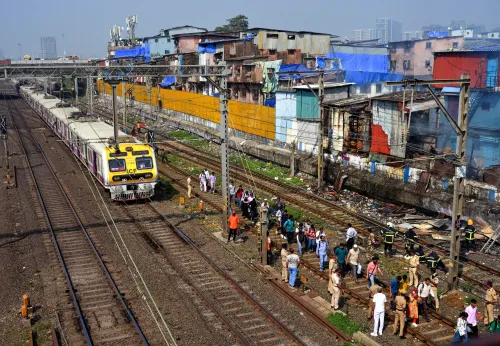
Additionally, the fares for suburban and monthly season tickets remain unchanged to keep travel affordable for low and middle-income families.
According to the Ministry of Railways, "In the last decade, the Indian Railways has notably expanded its network and operations, reaching even the most remote areas of the country. To sustain this level of operation and enhance safety, the railways is increasing its workforce. Consequently, manpower costs have escalated to Rs 1,15,000 crore, with pension costs reaching Rs 60,000 crore. Overall operational costs are projected to hit Rs 2,63,000 crore by 2024–25."
To address these rising manpower expenses, the railways is focusing on boosting cargo loading while implementing a modest adjustment in passenger fares.
The statement further revealed, "Thanks to these safety and operational improvements, the railways has significantly enhanced safety measures. India has now become the second-largest cargo-carrying railway network globally."
Notably, freight rates have remained unchanged since 2018, despite rising input costs, compelling the railways to depend on increased cargo movement for revenue.
The successful mobilization of over 12,000 trains during the recent festival season exemplifies the improved operational efficiency. Moreover, the ministry highlighted that construction on the flagship high-speed bullet train project is progressing well in Maharashtra, with land acquisition fully completed.
Point of View
It is crucial to recognize that while the fare hike is a necessary step to address rising operational costs, the Indian Railways must ensure that it continues to deliver affordable travel options for all citizens. Balancing revenue generation with public accessibility is key to maintaining trust and service quality.
NationPress
7 Oct 2026
Frequently Asked Questions
When will the new railway fares take effect?
The revised railway fares will come into effect on December 26 this year.
How much will passengers pay extra for long journeys?
Passengers will pay an additional 1 paisa per km for journeys over 215 km, and 2 paise per km for Mail and Express classes.
Will short-distance fares increase?
No, there will be no increase in fares for journeys shorter than 215 km.
Are suburban and monthly season ticket fares affected?
No, fares for suburban and monthly season tickets remain unchanged.
Why is the fare hike necessary?
The fare adjustment is aimed at addressing rising operational costs and improving safety and efficiency.