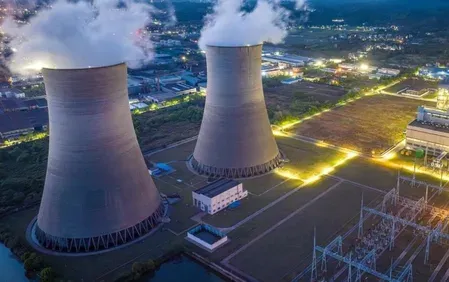
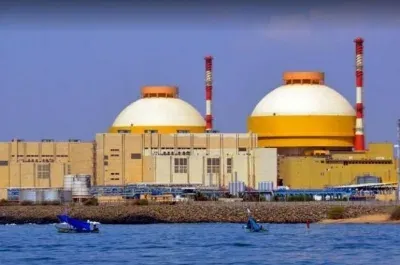
Canada-Uranium Agreement: A Catalyst for India's Nuclear Ambitions
Synopsis
India's recent $2.6 billion uranium deal with Canada is a significant milestone in its nuclear energy ambitions. This strategic agreement is expected to enhance India's capacity towards achieving 100 gigawatts of nuclear power by 2047, marking a transformative phase in the nation's energy landscape.
Key Takeaways
India's uranium deal with Canada is worth $2.6 billion.
The agreement aims to support India's goal of 100 gigawatts of nuclear capacity by 2047.
Domestic uranium production in India is insufficient to meet future demands.
The deal enhances energy security and diversification of supply sources.
Reforms in India's nuclear energy sector allow foreign investment and technology.
New Delhi, March 6 (NationPress) The government led by Prime Minister Narendra Modi has finalized a significant $2.6 billion agreement for the sustained supply of uranium from Canada, a move widely regarded by international experts as a pivotal milestone in India’s goal to reach 100 gigawatts of nuclear capacity by 2047.
As highlighted in a report by the South China Morning Post, India's local uranium production is projected to be insufficient to meet future demands, creating a pressing need for long-term import solutions.
Experts indicate that domestic uranium output in India is expected to remain considerably lower than overall requirements, suggesting that the nation will increasingly depend on imports to support both current and future nuclear reactors. In light of this situation, a long-term supply agreement with Canada is deemed strategically crucial.
While Kazakhstan has been the primary uranium supplier to India in recent years, this new deal with Canada will diversify the sources of this essential fuel for the country's nuclear energy sector.
The report further notes that in December 2025, India’s Parliament approved a significant reform of the civilian nuclear energy framework, enabling both domestic and foreign enterprises to construct, own, and operate nuclear power plants for the first time—thus breaking the state monopoly.
This reform alleviated long-standing concerns regarding supplier liability and established a more stable regulatory framework, facilitating the involvement of foreign technology partners and private investment necessary for India’s nuclear expansion.
Canada is well-positioned to provide uranium, with numerous mining projects underway that are expected to boost the country's uranium output for the foreseeable future. An analyst noted that this bodes well for India’s long-term fuel needs.
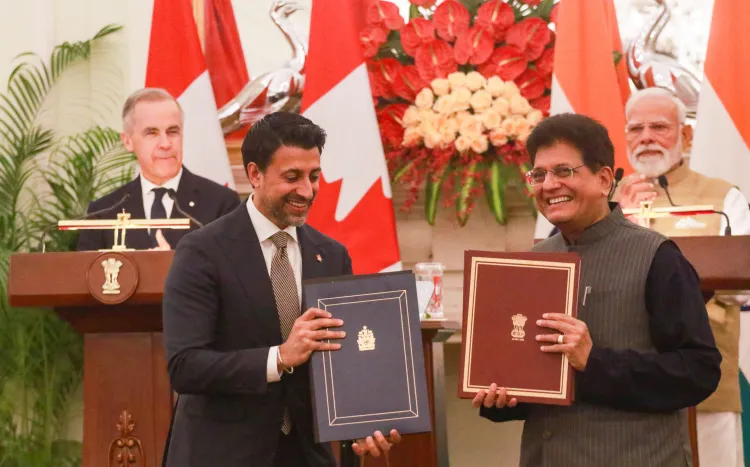
PM Modi described the uranium agreement with Canada as a “landmark deal”, emphasizing collaboration on small modular reactors, advanced reactor technologies, and enhancing the nuclear value chain. Carney confirmed Canada's capacity to meet India’s nuclear energy needs and announced the initiation of a strategic energy partnership between the two nations.
The two leaders expressed satisfaction over the conclusion of a CAD $2.6 billion commercial agreement between Cameco and the Department of Atomic Energy for the long-term supply of uranium, which will support India’s civil nuclear energy initiatives, clean energy transition goals, and long-term energy security, according to a joint statement following their summit.
Acknowledging their respective strengths as energy-producing nations, the leaders committed to enhancing the India-Canada Strategic Energy Partnership to bolster long-term cooperation across the energy value chain. They reaffirmed their shared dedication to advancing collaboration in clean energy, conventional energy, civil nuclear energy, and critical minerals to foster affordability, sustainability, and economic growth, as outlined in a joint statement issued after the summit.
Point of View
India's $2.6 billion uranium deal with Canada signifies a strategic pivot towards diversifying its energy sources. As we strive for sustainable growth, this agreement not only underscores international collaboration but also highlights India's commitment to enhancing its nuclear energy capacity.
NationPress
17 Sept 2026
Frequently Asked Questions
What is the significance of the uranium deal with Canada?
The uranium deal represents a vital step for India in achieving its goal of 100 gigawatts of nuclear capacity by 2047, ensuring a stable supply of fuel for its nuclear reactors.
How will this deal impact India's energy security?
By securing a long-term supply of uranium, India reduces its reliance on domestic production, which is projected to be insufficient, thus enhancing its energy security.
What reforms have been made in India’s nuclear energy sector?
The Indian Parliament approved reforms that allow both domestic and foreign companies to build and operate nuclear power plants, breaking a state monopoly and encouraging investment.
Who are the main players in this uranium supply agreement?
The agreement involves Canada's Cameco Corporation and India's Department of Atomic Energy, focusing on long-term uranium supply.
What are the future prospects for uranium production in Canada?
Canada is expected to increase its uranium output due to several new mining projects, ensuring a stable supply for India's nuclear energy needs.