India's fertiliser stocks at 50% of Kharif 2026 need, double usual level
Synopsis
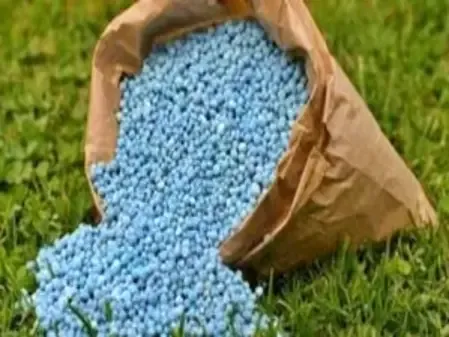
India's fertiliser stocks are at 50% of Kharif 2026 requirements — nearly double the typical level for this time of year — even as the West Asia conflict disrupted global supply chains. With 78 LMT added post-crisis and fresh global tenders floated for DAP, TSP, and ammonium sulphate, the government is betting on advance procurement to keep farm input prices steady and sowing uninterrupted.
Key Takeaways
Fertiliser availability for Kharif 2026 stands at 193.38 LMT — 50% of the assessed requirement of 390.54 LMT , nearly double the usual 33% at this stage.
Urea availability is 73.81 LMT against a requirement of 22.91 LMT ; all major fertiliser categories show similar surpluses.
A total of 78 LMT of fertilisers was added to stocks following supply disruptions from the West Asia conflict .
India secured 38.07 LMT of urea through the global tender route since late February 2025 .
Retail prices of major fertilisers remain unchanged despite rising global costs.
An empowered Group of Secretaries has held six meetings to address availability challenges.
India's fertiliser availability for the Kharif 2026 season is running at nearly double the usual stocking level, the government said on Thursday, 30 April 2025, providing a significant buffer for farmers heading into the peak sowing period. According to an official update from the Department of Fertilisers, availability stands at 193.38 lakh metric tonnes (LMT) against a total assessed requirement of 390.54 LMT — representing 50 per cent coverage at this stage, well above the typical 33 per cent maintained at the same point in the year.
Current Stock Position Across Fertilisers
The supply position across all major fertiliser categories remains robust. Urea availability stands at 73.81 LMT against a requirement of 22.91 LMT. DAP (Di-ammonium Phosphate) availability is 23.47 LMT against a requirement of 7.44 LMT. MOP (Muriate of Potash) availability is 8.54 LMT against 2.18 LMT required, while NPK availability is 54.04 LMT against a requirement of 9.40 LMT. SSP (Single Super Phosphate) availability is 26.20 LMT against 4.16 LMT required. All figures cover the period from 1 April to 30 April 2025, and each category shows availability substantially exceeding near-term requirements.
How India Managed Supply After West Asia Crisis
The strong stocking position did not come without effort. A total of 78 LMT of fertilisers was added to availability following disruptions triggered by the West Asia conflict, which had threatened global supply chains. India moved quickly through the global tender route, securing 38.07 LMT of urea since late February 2025. Domestic urea production in April 2025 nearly matched last year's output, reaching 20.8–21 LMT compared to 21.89 LMT in April 2024. Indian fertiliser companies also issued aggregated global tenders on 24 April 2025 for the procurement of 12 LMT DAP, 4 LMT TSP (Triple Super Phosphate), and 3 LMT ammonium sulphate — volumes intended to ensure continued adequacy through the peak sowing months.
Retail Prices Held Steady Despite Global Cost Pressures
Notably, retail prices of major fertilisers have remained unchanged despite rising costs in global markets, according to the official statement. This reflects the government's continued subsidy commitment to insulate farmers from international price volatility. The Agriculture Ministry assessed the Kharif 2026 fertiliser requirement, while the Department of Fertilisers has been conducting regular reviews of input availability for urea and P&K fertiliser production.
Government Oversight and Coordination
To ensure supply continuity, an empowered Group of Secretaries has met six times so far, addressing most of the challenges that had emerged in fertiliser availability. The government attributed the improved stocking position to better planning, advance procurement, and more efficient logistics management. This comes amid a broader push to reduce India's vulnerability to global supply shocks — a lesson drawn sharply from the post-pandemic and Russia-Ukraine-era fertiliser crises that strained farm input availability across the subcontinent.
What This Means for Farmers
With Kharif sowing typically gathering pace between June and August, the current availability buffer gives farmers, state governments, and distributors meaningful lead time to plan. If procurement targets from the April tenders are met on schedule, India's fertiliser supply chain should remain stable through the critical sowing window. All eyes will now be on whether global logistics and geopolitical conditions allow the tendered volumes to arrive without fresh disruption.
Point of View
But context matters: India's fertiliser security has been tested repeatedly since 2021, first by pandemic-era logistics breakdowns, then by the Russia-Ukraine war cutting off potash and phosphate supplies, and now by West Asia tensions. The government's proactive tender strategy and the Group of Secretaries mechanism suggest institutional learning from those crises. However, the near-miss on domestic urea production — 20.8–21 LMT in April 2025 versus 21.89 LMT a year ago — is a quiet signal that capacity constraints have not disappeared. The real test will come in June and July, when sowing demand peaks and any global supply shock would have the least buffer time to absorb.
NationPress
27 Sept 2026
Frequently Asked Questions
What is India's fertiliser stock level for Kharif 2026?
As of 30 April 2025, India has 193.38 lakh metric tonnes (LMT) of fertilisers available against a Kharif 2026 requirement of 390.54 LMT — representing 50% coverage, nearly double the usual 33% maintained at this point in the year.
Have fertiliser retail prices increased for farmers?
No. Despite rising costs in global markets, the retail prices of major fertilisers in India have remained unchanged, according to the government's official update issued on 30 April 2025.
How did the West Asia conflict affect India's fertiliser supply?
The West Asia conflict disrupted global fertiliser supply chains, but India responded by adding 78 LMT of fertilisers to its availability and securing 38.07 LMT of urea through the global tender route since late February 2025.
What fertilisers has India procured through global tenders?
Indian fertiliser companies floated aggregated global tenders on 24 April 2025 for 12 LMT of DAP, 4 LMT of TSP, and 3 LMT of ammonium sulphate, in addition to the 38.07 LMT of urea already secured since late February.
What government mechanism is overseeing fertiliser availability?
An empowered Group of Secretaries has held six meetings so far to ensure adequate fertiliser availability, with the Department of Fertilisers conducting regular reviews of input supply for urea and P&K fertiliser production.