India's manufacturing hubs drive push from $3.7 trillion to $30 trillion economy
Synopsis
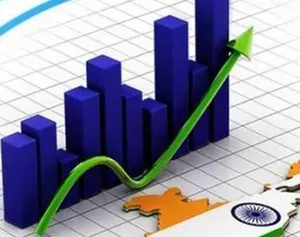
India's official fact-sheet reveals an ambitious industrial blueprint: manufacturing hubs backed by a sixfold capex jump to ₹12.2 lakh crore, a global ranking of third-most-preferred manufacturing destination, and a target to push manufacturing's GDP share from 17% to 25% by 2047 — the structural backbone of India's $30 trillion economy ambition.
Key Takeaways
India aims to grow from a $3.7 trillion to a $30–35 trillion economy by 2047 , with manufacturing targeted at 25% of GDP .
Government capital expenditure has risen from ₹2 lakh crore in FY2014–15 to ₹12.2 lakh crore in FY2026–27.
India is ranked the third most sought-after manufacturing destination globally; medium- and high-tech activities account for 46.3% of manufacturing value added.
MSMEs — 7.47 crore enterprises — contribute 35.4% of manufacturing output.
Union Budget FY2026–27 proposes three chemical parks, seven PM MITRA parks, MSME clusters, and a ₹10,000 crore Biopharma SHAKTI initiative.
Key industrial corridors — DMIC, CBIC, AKIC, VCIC — are designed to integrate logistics and enable manufacturing at scale.
India's integrated manufacturing hubs are emerging as the cornerstone of the country's ambition to grow from a $3.7 trillion economy to a $30–35 trillion economy by 2047, with manufacturing's share of GDP targeted to rise from the current 16–17 per cent to at least 25 per cent, according to an official fact-sheet released on Tuesday, 28 April. The document outlines a structural shift in industrial policy — from project-level execution to system-level planning — designed to anchor long-term manufacturing activity across domestic and global production networks.
The Strategic Shift to Integrated Manufacturing Hubs
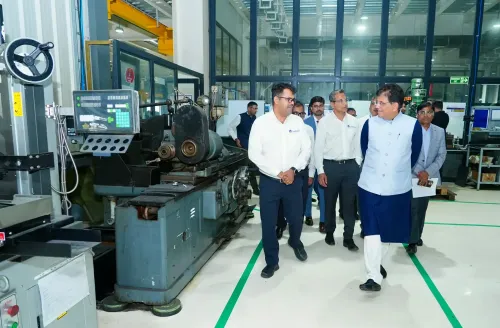
India's manufacturing strategy has pivoted decisively toward the development of integrated manufacturing hubs — spatial ecosystems that combine physical infrastructure, regulatory support, common facilities, and multimodal connectivity. These hubs are designed to support scale, reduce transaction costs, and strengthen India's position within both domestic and global supply chains.
According to the official statement, the government's manufacturing policy has moved to infrastructure-led, integrated hub development to enable scale, reliability, and long-term industrial competitiveness. This transition from standalone project execution to coordinated system-level planning is expected to directly reduce logistics bottlenecks and improve timely execution across industrial clusters.
Capital Expenditure: A Sixfold Jump in a Decade
One of the most telling indicators of this policy shift is the trajectory of government capital expenditure. Public capex has expanded from ₹2 lakh crore in FY2014–15 to ₹12.2 lakh crore in FY2026–27 — a more than sixfold increase — reflecting the Centre's commitment to infrastructure-led industrial growth. This expansion is intended to directly enhance the effectiveness of manufacturing hubs by reducing bottlenecks and improving logistics efficiency.
India's Global Manufacturing Standing
Global investment trends increasingly recognise India as a preferred manufacturing destination. The country is currently ranked as the third most sought-after manufacturing location worldwide. Notably, the composition of production is also evolving: medium- and high-technology activities now account for 46.3 per cent of total manufacturing value added, signalling a gradual but meaningful shift toward more sophisticated industrial structures.
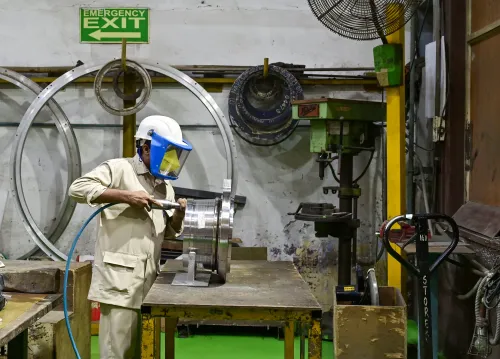
MSMEs, comprising 7.47 crore enterprises, account for 35.4 per cent of manufacturing output and serve as anchors for manufacturing hubs nationwide. This labour-intensive sector plays a critical role in job creation and in sustaining the broader momentum of economic growth.
Budget Proposals and Key Initiatives
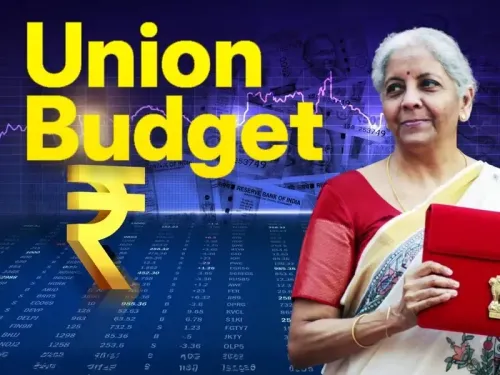
The Union Budget for FY2026–27 has proposed a set of targeted interventions to accelerate hub development. These include three chemical parks, seven PM MITRA parks, MSME clusters, and a ₹10,000 crore Biopharma SHAKTI initiative. Together, these measures are designed to deepen industrial specialisation and expand the country's manufacturing footprint across sectors.
Industrial Corridors Enabling Scale
These manufacturing hubs are complemented by corridor-enabled industrial regions that emphasise spatial integration and logistics efficiency. Industrial corridors — including the Delhi–Mumbai Industrial Corridor (DMIC), Chennai–Bengaluru Industrial Corridor (CBIC), Amritsar–Kolkata Industrial Corridor (AKIC), and Vizag–Chennai Industrial Corridor (VCIC) — are designed to support clusters by improving freight connectivity and facilitating integrated planning across regions. Unlike standalone production units, these corridors provide trunk infrastructure and multimodal logistics, enabling industrial concentration at scale.
As these corridors and hubs take shape, the coming years will test whether India's infrastructure-led industrial strategy can translate into sustained GDP share gains and globally competitive manufacturing output.
Point of View
Yet the share has barely budged from 17%. The sixfold jump in capex is real and significant, but capital expenditure alone does not make a manufacturing economy. The critical question is whether the DMIC and its sibling corridors are generating the kind of private investment and employment density that justifies their scale. With MSMEs contributing over a third of manufacturing output, the true test of this hub-and-corridor strategy lies not in the number of parks announced, but in how many of those 7.47 crore enterprises gain reliable access to trunk infrastructure, credit, and global value chains.
NationPress
19 Sept 2026
Frequently Asked Questions
What are India's integrated manufacturing hubs?
India's integrated manufacturing hubs are spatial ecosystems that combine physical infrastructure, regulatory support, common facilities, and multimodal connectivity, designed to support industrial scale and reduce transaction costs. They are a central element of the government's strategy to raise manufacturing's share of GDP from 16–17% to 25% by 2047.
How much has India's government capital expenditure grown?
Government capex has grown more than sixfold, from ₹2 lakh crore in FY2014–15 to ₹12.2 lakh crore in FY2026–27, according to the official fact-sheet. This expansion is aimed at directly supporting manufacturing hub development and logistics infrastructure.
What is India's current global manufacturing ranking?
India is currently ranked the third most sought-after manufacturing destination worldwide, according to the official statement released on 28 April. Medium- and high-technology activities account for 46.3% of total manufacturing value added.
What did the Union Budget 2026–27 propose for manufacturing?
The Union Budget for FY2026–27 proposed three chemical parks, seven PM MITRA parks, MSME clusters, and a ₹10,000 crore Biopharma SHAKTI initiative to accelerate manufacturing hub development across sectors.
Which industrial corridors are supporting India's manufacturing strategy?
The key industrial corridors include the Delhi–Mumbai Industrial Corridor (DMIC), Chennai–Bengaluru Industrial Corridor (CBIC), Amritsar–Kolkata Industrial Corridor (AKIC), and Vizag–Chennai Industrial Corridor (VCIC). These corridors provide trunk infrastructure, freight connectivity, and multimodal logistics to enable industrial concentration at scale.