Indian Pharmacopoeia standards match global benchmarks, WHO meet highlights India's leadership
Synopsis
At a WHO-coordinated global forum in Brazil, India's pharmacopoeial standards were formally recognised as comparable with the world's leading pharmacopoeias — and India was singled out for its leadership on quality standards for anti-TB drugs, cancer medicines, and blood products. For a country that supplies generics to over 200 nations, that recognition is more than ceremonial.
Key Takeaways
The Indian Pharmacopoeia Commission (IPC) confirmed India's standards are comparable with leading global pharmacopoeias at the 16th IMWP in Brazil , 15–17 June 2025 .
India was recognised for quality standard leadership in anti-tuberculosis medicines , anti-cancer therapeutics , blood and blood products , and anaemia management medicines .
The IPC delegation was led by Dr V Kalaiselvan , Secretary-cum-Scientific Director, alongside Dr Pawan Saini and Dr Shruti Rastogi .
India contributed to global discussions on modern microbiological methods , pharmacopoeial convergence , and environmental sustainability in pharmaceutical standards.
Representatives from 11 countries and the WHO participated, including the US, UK, EU, Japan, and Brazil.
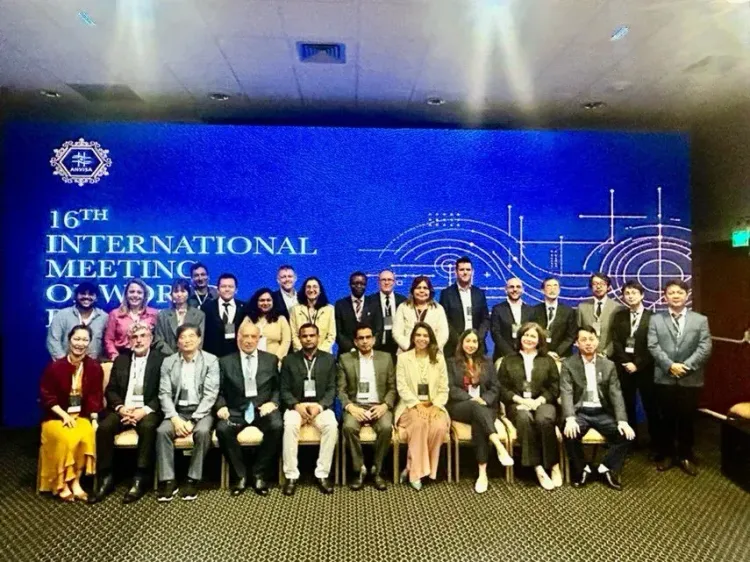
The Indian Pharmacopoeia Commission (IPC) has confirmed that India's pharmacopoeial standards are on par with leading international pharmacopoeias, with the country receiving formal recognition for its scientific leadership in setting quality benchmarks for critical medicines, the Health Ministry said on Thursday, 18 June. The acknowledgement came during the 16th International Meeting of World Pharmacopoeias (IMWP), held in Brazil from 15–17 June and coordinated by the World Health Organization (WHO).
India's Delegation and Key Presentations
An IPC delegation led by Dr V Kalaiselvan, Secretary-cum-Scientific Director, and accompanied by Dr Pawan Saini and Dr Shruti Rastogi, represented India at the global forum. Dr Kalaiselvan presented key updates on the Indian Pharmacopoeia, covering recent advancements in pharmacopoeial standards, ongoing modernisation initiatives, and India's contributions to the global harmonisation of medicine quality frameworks.
He also underscored India's role in strengthening public health through science-based regulatory standards, while stressing the importance of international cooperation in safeguarding the quality, safety, and efficacy of medicines across borders.
Areas Where India Was Recognised
India received specific recognition for its leadership in developing and establishing quality standards for anti-tuberculosis medicines, anti-cancer therapeutics, blood and blood products, medicines used in anaemia management, and other complex pharmaceutical molecules. According to the Health Ministry, this reflects the country's expanding scientific, regulatory, and pharmacopoeial capabilities on the world stage.
Contributions to Global Pharmaceutical Discourse
The Indian delegation actively contributed to discussions on modern microbiological methods, pharmacopoeial convergence, and environmental sustainability in pharmaceutical standards — three areas increasingly central to the WHO's global medicines quality agenda. Notably, pharmacopoeial convergence — the effort to align standards across nations — is critical for India, given that it is among the world's largest exporters of generic medicines.
This participation follows a broader pattern of India asserting greater influence in global health governance forums, building on its standing as the 'pharmacy of the world' for affordable generics.
Who Was at the Table
The 16th IMWP brought together representatives from pharmacopoeias across 11 countries and the WHO, including the European Pharmacopoeia, United States Pharmacopeia, British Pharmacopoeia, Japanese Pharmacopoeia, and counterparts from Brazil, South Korea, Mexico, Russia, Uzbekistan, and Vietnam, alongside The International Pharmacopoeia of WHO.
What This Means Going Forward
India's participation at the 16th IMWP has further deepened collaboration with international pharmacopoeias and reaffirmed the country's growing role in shaping global pharmaceutical quality standards. With Indian generics reaching patients in over 200 countries, the alignment of Indian Pharmacopoeia standards with global benchmarks carries direct implications for medicine access and patient safety worldwide. The IPC is expected to incorporate outcomes from the Brazil meeting into its next cycle of pharmacopoeial updates.
Point of View
But the harder question is whether formal pharmacopoeial parity translates into reduced regulatory friction for Indian exporters in key markets like the US and EU — where import alerts and quality failures have periodically damaged credibility. The IPC's push on convergence is the right direction, but convergence on paper and acceptance in practice are different things. India's 'pharmacy of the world' tag rests on price; it now needs to cement the quality narrative with equal force, particularly as geopolitical pressures push Western markets to scrutinise supply-chain dependencies on Indian and Chinese generics more closely.
NationPress
17 Sept 2026
Frequently Asked Questions
What is the Indian Pharmacopoeia Commission (IPC)?
The Indian Pharmacopoeia Commission (IPC) is an autonomous institution under India's Health Ministry responsible for setting quality standards for medicines manufactured and sold in India. It publishes the Indian Pharmacopoeia, which defines benchmarks for drug identity, purity, and potency.
What was the 16th International Meeting of World Pharmacopoeias (IMWP)?
The 16th IMWP was a WHO-coordinated global forum held in Brazil from 15–17 June 2025, bringing together representatives from pharmacopoeias of 11 countries and the WHO to discuss harmonisation of medicine quality standards, modern testing methods, and sustainability in pharmaceutical regulation.
Why was India recognised at the WHO pharmacopoeia meeting?
India was recognised for its leadership in developing quality standards for anti-tuberculosis medicines, anti-cancer therapeutics, blood and blood products, and medicines for anaemia management, reflecting the country's growing scientific and regulatory capabilities in global pharmaceutical standards.
How do Indian Pharmacopoeia standards compare with global ones?
According to the Health Ministry, Indian Pharmacopoeia standards are now comparable with leading international pharmacopoeias, including the United States Pharmacopeia, European Pharmacopoeia, and British Pharmacopoeia. India also actively contributes to global harmonisation efforts through forums like the IMWP.
Why does pharmacopoeial harmonisation matter for India?
India is one of the world's largest exporters of generic medicines, supplying patients in over 200 countries. Aligning Indian Pharmacopoeia standards with global benchmarks reduces regulatory barriers for Indian exporters and strengthens confidence in the quality and safety of Indian medicines internationally.