IPC Signs 2 MoUs to Strengthen Drug Quality & Pharmacovigilance

Synopsis
India's Indian Pharmacopoeia Commission signed two MoUs with PMBI and NIPER Hajipur on April 25, 2025, to strengthen quality testing of Jan Aushadhi medicines, expand adverse drug reaction reporting at over 14,000 Janaushadhi outlets, and advance research on dangerous nitrosamine impurities — a move with sweeping implications for India's drug safety ecosystem.
Key Takeaways
Indian Pharmacopoeia Commission (IPC) signed two MoUs on April 25, 2025 with PMBI and NIPER Hajipur to strengthen drug safety and pharmaceutical research.
PMBI will submit randomly selected batches of Jan Aushadhi medicines to IPC for quality testing across 14,000+ PMBJKs nationwide.
PvPI QR codes and toll-free helpline 1800-180-3024 will be displayed at all Janaushadhi Kendras to boost adverse drug reaction (ADR) reporting.
The IPC–NIPER Hajipur MoU will focus on research into genotoxic nitrosamine impurities — the compounds behind major global drug recalls — to set evidence-based Indian Pharmacopoeia limits.
Both collaborations will include training programmes, faculty exchange, internships for pharmacy graduates, and joint research publications to build long-term institutional capacity.
The partnerships support India's push to strengthen its pharmaceutical quality credentials amid ongoing scrutiny from global regulators including the US FDA and WHO .
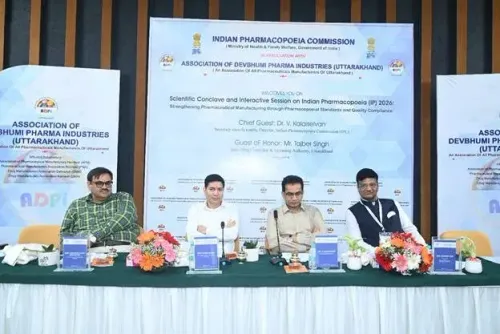
The Indian Pharmacopoeia Commission (IPC), a central government body, signed two landmark Memoranda of Understanding (MoUs) on Friday, April 25, 2025, with two key government institutions — the Pharmaceuticals & Medical Devices Bureau of India (PMBI) and the National Institute of Pharmaceutical Education and Research (NIPER), Hajipur — to significantly strengthen drug quality assurance, pharmacovigilance, and collaborative pharmaceutical research across India.
IPC–PMBI MoU: Protecting Jan Aushadhi Medicine Quality
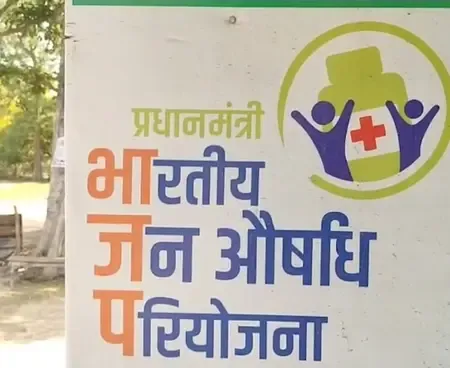
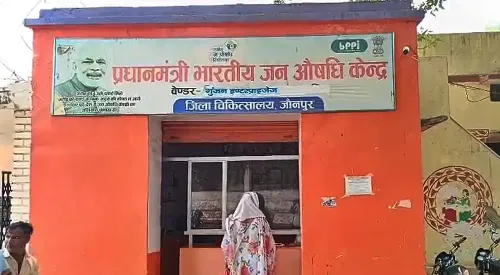
The first MoU between IPC and PMBI is specifically designed to reinforce the quality assurance framework for medicines distributed through the Pradhan Mantri Bhartiya Janaushadhi Kendras (PMBJKs) — the government's affordable generic medicine outlets that serve millions of low-income patients across India.
Under this agreement, PMBI will submit randomly selected batches of Jan Aushadhi medicines to IPC for independent quality testing, ensuring that affordable medicines meet the same rigorous standards as branded counterparts. This is a critical step given that over 14,000 PMBJKs currently operate nationwide, dispensing medicines to crores of citizens who may otherwise be unable to afford branded drugs.
The partnership will also promote the adoption of the National Formulary of India (NFI) across all PMBJKs to ensure the rational and evidence-based use of medicines — reducing unnecessary prescriptions, overuse of antibiotics, and drug misuse at the grassroots level.
Pharmacovigilance Push: ADR Reporting at Jan Aushadhi Outlets
A notable feature of the IPC–PMBI MoU is the integration of the Pharmacovigilance Programme of India (PvPI) into the Jan Aushadhi network. PvPI QR codes and the toll-free helpline number 1800-180-3024 will be prominently displayed at PMBJKs across the country to encourage patients and healthcare workers to report adverse drug reactions (ADRs).
This move is significant because India's ADR reporting rates remain far below global benchmarks. According to IPC data, India receives a fraction of the ADR reports per million population compared to developed nations — a gap that directly impacts patient safety and post-market drug surveillance. Embedding PvPI access points within affordable medicine outlets could meaningfully expand the reporting network to underserved populations.
Both IPC and PMBI will jointly conduct sensitization, awareness, and training programmes for pharmacists and other stakeholders on rational medicine use, ADR reporting tools, and the broader public health responsibilities of pharmacy professionals.
IPC–NIPER Hajipur MoU: Advanced Research & Capacity Building
The second MoU, signed with NIPER Hajipur — an Institute of National Importance — focuses on collaborative research, academic exchange, and capacity building in pharmaceutical science and healthcare product development. NIPER Hajipur brings specialized expertise in pharmaceutical analysis, biologics, and clinical research, making it a strategically important partner for IPC.
A key research priority under this collaboration will be impurity profiling, with particular focus on genotoxic impurities such as nitrosamines — a class of potentially carcinogenic compounds that triggered global drug recalls in recent years, including the high-profile withdrawal of certain batches of metformin, ranitidine, and valsartan worldwide. Correlating nitrosamine data with ADR records could help establish robust, evidence-based pharmacopoeial safety limits specific to Indian drug manufacturing conditions.
The partnership will also drive development of analytical methods, quality control protocols, and reference standards for biologics, biosimilars, and emerging cell and gene therapy products — areas where India is rapidly expanding its pharmaceutical manufacturing footprint and where standardized quality benchmarks are urgently needed.
Academic Exchange, Internships & Joint Publications
Beyond research, the IPC–NIPER Hajipur MoU includes provisions for organizing training programmes, workshops, seminars, and conferences, along with faculty exchange initiatives and shared access to advanced analytical instrumentation facilities.
Internship and fellowship opportunities for pharmacy graduates and postgraduates will be created under this collaboration, providing hands-on exposure to pharmacopoeial science. Joint publication of research papers, training manuals, and educational materials will further deepen scientific engagement and build long-term institutional capacity.
This comes amid India's broader push to position itself as a global pharmaceutical quality leader. Notably, the Indian pharmaceutical sector — the world's third-largest by volume — has faced heightened scrutiny from regulators including the US FDA and WHO over manufacturing quality standards in recent years, making IPC's strengthened role in setting and enforcing pharmacopoeial standards more consequential than ever.
As both MoUs move into implementation, their real-world impact will depend on how effectively quality testing data from PMBJKs feeds back into procurement decisions, and whether the nitrosamine research outcomes translate into updated Indian Pharmacopoeia standards within a defined timeline. Stakeholders in India's pharmaceutical and public health sectors will be watching closely.
Point of View
Or remain ceremonial agreements, will be the real test of institutional intent.
NationPress
16 Sept 2026
Frequently Asked Questions
What MoUs did the Indian Pharmacopoeia Commission sign in April 2025?
The Indian Pharmacopoeia Commission (IPC) signed two MoUs on April 25, 2025 — one with the Pharmaceuticals & Medical Devices Bureau of India (PMBI) and another with NIPER Hajipur. These agreements aim to strengthen drug quality testing, pharmacovigilance, and pharmaceutical research in India.
How will the IPC–PMBI MoU affect Jan Aushadhi medicines?
Under the IPC–PMBI MoU, randomly selected batches of Jan Aushadhi medicines will be submitted to IPC for independent quality testing. This ensures that affordable generic medicines available at over 14,000 Pradhan Mantri Bhartiya Janaushadhi Kendras meet established quality standards.
What is the Pharmacovigilance Programme of India (PvPI) and how does this MoU strengthen it?
PvPI is India's national programme for monitoring adverse drug reactions (ADRs) to improve patient safety. The IPC–PMBI MoU will display PvPI QR codes and the toll-free number 1800-180-3024 at Jan Aushadhi outlets nationwide, making it easier for patients to report harmful drug reactions.
What is the significance of nitrosamine research under the IPC–NIPER Hajipur MoU?
Nitrosamines are potentially carcinogenic genotoxic impurities that have triggered major global drug recalls involving medicines like valsartan and ranitidine. The IPC–NIPER Hajipur collaboration will study nitrosamine impurity profiles and their link to ADR data to establish evidence-based safety limits in the Indian Pharmacopoeia.
Who is NIPER Hajipur and why is it a key partner for IPC?
NIPER Hajipur is a National Institute of Pharmaceutical Education and Research designated as an Institute of National Importance. It has advanced expertise in pharmaceutical analysis, biologics, and clinical research, making it well-suited to support IPC in developing quality standards for biologics, biosimilars, and cell and gene therapy products.