Naveen Jindal Champions Private Sector and Taxpayer Roles in Nation-Building
Synopsis
On March 24, Naveen Jindal passionately endorsed the Finance Bill, 2026, highlighting the vital roles of the private sector and taxpayers in shaping India's future. Discover how this legislation aims to empower citizens and drive sustainable growth.
Key Takeaways
Support for Finance Bill: Naveen Jindal advocates for the transformative potential of the Finance Bill, 2026.
Private Sector Importance: The private sector is essential, providing significant employment and contributing to GDP.
Taxpayer Respect: Jindal calls for a respectful approach toward taxpayers as partners in nation-building.
Sustainable Development: The bill aims to promote inclusive growth and empower various demographics.
Reforms Suggested: Key reforms include joint tax filing and streamlined dispute resolution.
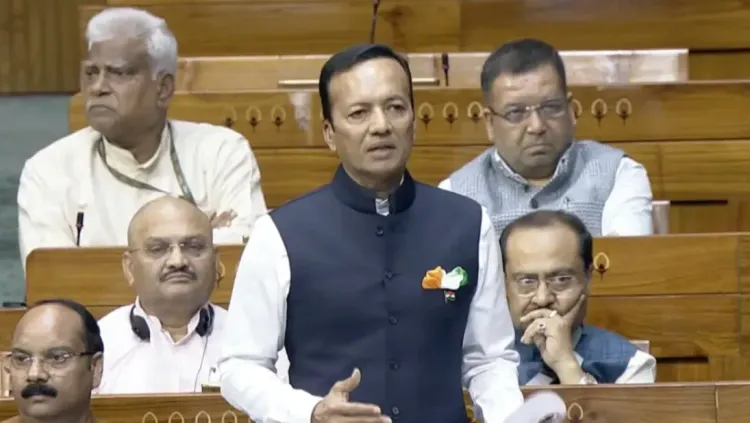
New Delhi, March 24 (NationPress) Naveen Jindal, the MP representing Kurukshetra in Haryana, passionately supported the Finance Bill, 2026 during a session in the Lok Sabha on Tuesday, terming it a revolutionary and future-oriented framework designed to impact the lives of 140 crore Indians.
He highlighted that the growth of India is significantly driven by the collaborative efforts of its taxpayers and the private sector, both of which are essential contributors to the nation's development.
Jindal pointed out the pivotal role of the private sector, which is responsible for over 80% of employment and contributes more than 60% to India's GDP, while also fostering innovation and enhancing global competitiveness.
He urged a change in perspective regarding taxpayers, promoting a more respectful and citizen-focused approach. Jindal noted the positive trends in compliance, emphasizing that the GST taxpayer base has now exceeded 1.5 crore, with gross GST collections in FY 2024–25 surpassing Rs 22 lakh crore.
"A taxpayer should not be viewed as a suspect but rather as a vital ally in nation-building. Their contributions deserve respect," he asserted.
Jindal explained that the Finance Bill, 2026 establishes a framework for inclusive and sustainable growth by empowering farmers, uplifting youth, enhancing women's dignity, and ensuring long-term economic stability.
"This bill transcends party lines; it is for the country's future, and its advantages will benefit every citizen," he added.
He highlighted that India's IT exports have crossed $200 billion, the pharmaceutical industry caters to over 200 nations, and the nation is now home to more than 100,000 recognized startups and over 100 unicorns.
Jindal acknowledged India's remarkable recovery amid challenges posed by COVID-19, geopolitical conflicts, and global supply chain disruptions.
Stressing the importance of sustainability and quality of life, he called for an increased promotion of natural farming to reduce reliance on chemical fertilizers, mitigate subsidy burdens, and ensure healthier food systems. He emphasized that true development should be assessed not just by GDP but by tangible improvements in daily life.
While endorsing the Finance Bill's provisions, Jindal also suggested crucial reforms to enhance the taxation system, including the implementation of joint tax filing for families, establishing dispute resolution frameworks such as "Vivad se Vishwas," and ensuring that tax notifications are straightforward, transparent, and respectful.
In conclusion, Jindal advocated for bipartisan unity to expedite India's progression towards being a robust, self-sufficient, and developed nation. "We may have differing opinions, but in the realm of nation-building, we must unite and advance together," he stated, expressing his unwavering support for the Finance Bill, 2026.
Point of View
The endorsement of the Finance Bill, 2026 by MP Naveen Jindal underscores the critical collaboration between the private sector and taxpayers in driving India's growth. This legislation aims to foster inclusive development while calling for mutual respect and partnership between the government and its citizens.
NationPress
26 Sept 2026
Frequently Asked Questions
What is the Finance Bill, 2026?
The Finance Bill, 2026 is a legislative proposal aimed at shaping India's economic framework and promoting sustainable development, as supported by MP Naveen Jindal.
What role does the private sector play in India's economy?
The private sector contributes over 80% of employment and accounts for more than 60% of India's GDP, playing a vital role in economic growth.
How has the taxpayer base changed recently?
The GST taxpayer base has surpassed 1.5 crore, reflecting improved compliance trends and increased contributions to the economy.
What reforms did Jindal propose regarding taxation?
Jindal proposed reforms including joint tax filing for families and improved dispute resolution mechanisms to enhance the taxation framework.
Why is natural farming important according to Jindal?
Natural farming reduces reliance on chemical fertilizers, promotes healthier food systems, and aligns with sustainable development goals.