Did Manohar Lal Launch the 250 MW Unit of India’s Largest Hydropower Project?
Synopsis
Union Minister Manohar Lal recently inaugurated the 250 MW Unit of the Subansiri Lower Hydroelectric Project, marking a significant milestone in India's renewable energy landscape. As the largest hydropower project in India, this initiative promises to bolster energy supply across the North-East while supporting local communities and sustainable development.
Key Takeaways
Inauguration of the 250 MW Unit signifies progress in renewable energy.
Subansiri Lower Hydroelectric Project to enhance energy supply for 16 states.
Free power allocations for Arunachal Pradesh and Assam .
Strengthens regional infrastructure and grid resilience.
Fosters local community development through various initiatives.
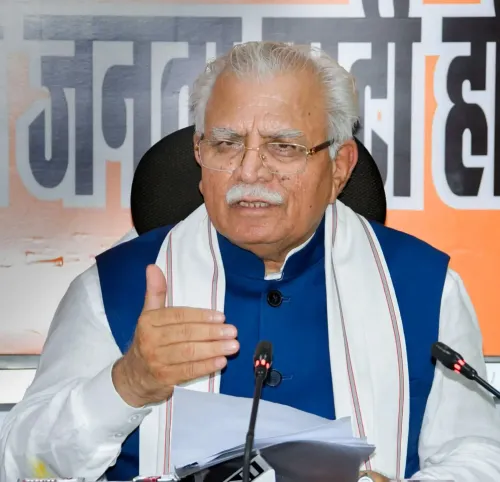
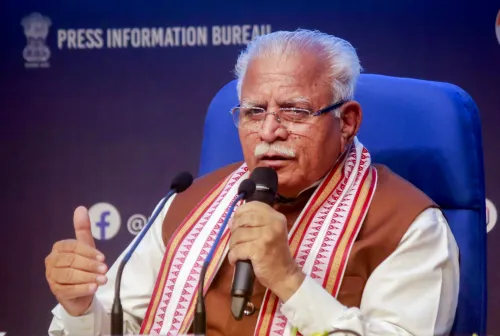
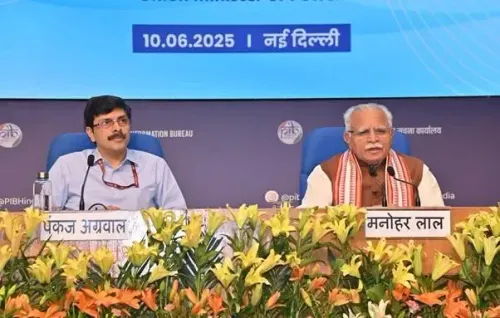
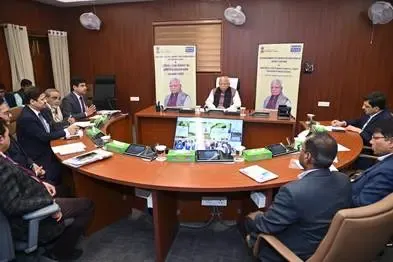
New Delhi, Dec 23 (NationPress) Union Minister of Power Manohar Lal officially commenced the commercial operations of Unit–2 (250 MW) of the 2000 MW Subansiri Lower Hydroelectric Project via a virtual event.
With the activation of Unit 2, the project is rapidly progressing towards the commissioning of three additional units of 250 MW each soon, followed by a phased rollout of the remaining four units by 2026-27.
Upon full activation, the 2000 MW Subansiri Lower Hydroelectric Project will significantly enhance India’s renewable energy capacity, bolster the national grid's resilience, and initiate a transformative phase in clean energy contributions.
In addition to providing electricity to 16 beneficiary states, the Subansiri Lower Hydroelectric Project will offer free power allocations to Arunachal Pradesh and Assam, while the North-East region will gain access to 1,000 MW from the project, greatly improving local energy availability.
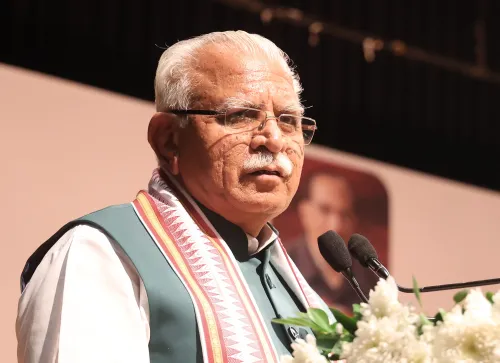
The minister remarked, “The launch of this unit signifies not only a technical milestone but also reflects years of dedication, teamwork, and effort.”
He further stated that the Subansiri Project represents India’s commitment to clean and sustainable energy, aiding the growth of North-East India, bolstering the national grid, and advancing India’s ambitious Net Zero targets.
The event was attended by Pankaj Agarwal, Secretary (Power), Bhupender Gupta, CMD, NHPC, along with other officials from the Ministry of Power and NHPC.
Pankaj Agarwal praised NHPC’s accomplishment, asserting that the Subansiri Lower Project will substantially improve energy supply in the North-East and exemplify India’s commitment to innovative and sustainable power systems.
He stressed the importance of timely commissioning of the remaining units, highlighting that the Subansiri Project will play a crucial role in India’s transition to a net-zero energy future while generating significant socio-economic benefits for local communities.
NHPC chairman and managing director Bhupender Gupta noted that the project will reinforce the national grid, support sustainable development in the North-East, and provide reliable renewable energy to meet increasing demand.
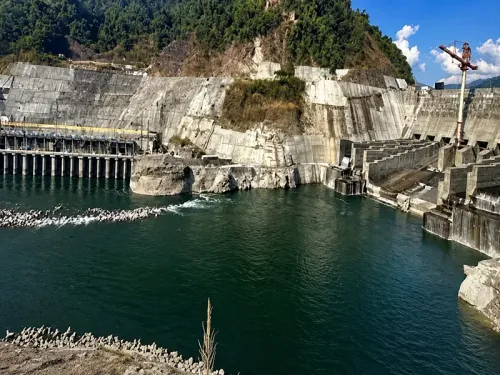
As the largest hydropower project in India, the Subansiri Lower Project consists of eight units of 250 MW each and is designed as a Run-of-the-River scheme with minor pondage, channeling water through eight Head Race Tunnels (HRTs) to generate 7,422 million units (MU) of renewable electricity annually, significantly contributing to India’s green energy future. The project features the largest dam in North-East India, a 116-metre-high concrete gravity dam, which not only enhances regional infrastructure and grid resilience but also aids in flood moderation and water management in the Subansiri River basin.
As the first cascaded dam on the Subansiri River, the Subansiri Lower Hydroelectric Project provides flood moderation with a 442 million cubic metre flood cushion.
With a gross reservoir storage of 1,365 million cubic metres at FRL, about one-third of the reservoir remains empty during floods to absorb excess water and safeguard downstream communities.
NHPC has undertaken extensive riverbank protection and erosion control measures along the Subansiri River, completing works up to 30 km downstream and extending them up to 60 km with an investment of approximately Rs 522 crore. This initiative has effectively stabilized the riverbanks for over five years.
Additionally, NHPC is fostering downstream community development through livelihood programs in piggery, sericulture, and handloom, developed in collaboration with IRMA. These initiatives, now operational, benefit around 5,000 women farmers and promote sustainable socio-economic development in the region.
The project has generated substantial socio-economic benefits for the region by engaging around 7,000 local people daily during its construction phase and creating numerous direct and indirect jobs through contractors, service providers, and local markets.
With the project's commissioning and the availability of continuous power, new small-scale industries are anticipated to emerge, further expanding employment and business opportunities while helping reduce outmigration.
Furthermore, the project is expected to boost tourism and enhance river navigation, contributing to long-term regional development and prosperity.
Point of View
The commissioning of the Subansiri Lower Hydroelectric Project's Unit 2 is a significant step forward in India's journey towards renewable energy. It demonstrates a collaborative effort to enhance energy security while fostering socio-economic growth in the North-East region. The initiative aligns with national goals for sustainability and grid resilience, reinforcing India's commitment to a greener future.
NationPress
26 Aug 2026
Frequently Asked Questions
What is the Subansiri Lower Hydroelectric Project?
The Subansiri Lower Hydroelectric Project is India's largest hydropower project, featuring a total capacity of 2000 MW, designed to generate renewable energy and support the national grid.
How many units are there in the Subansiri Project?
The Subansiri Lower Hydroelectric Project consists of eight units, each with a capacity of 250 MW.
What benefits does the project provide to the North-East region?
The project enhances energy availability, provides free power allocations to Arunachal Pradesh and Assam, and supports local community development initiatives.
How does the project contribute to flood management?
As the first cascaded dam on the Subansiri River, it provides a flood cushion of 442 million cubic meters, helping to moderate floods and protect downstream communities.
What socio-economic impact will the project have?
The project will create jobs, foster local industries, and support programs benefiting around 5,000 women farmers, promoting sustainable development in the region.