Meta pulls Instagram AI image feature in 3 days after privacy backlash
Synopsis
Meta launched an AI image tool on 7 July that let anyone generate images using public Instagram photos — without notifying account holders. Three days later, it was gone. The speed of the reversal, combined with a simultaneous E2EE rollback on Instagram, raises serious questions about how Meta is balancing AI ambition with user trust.
Key Takeaways
Meta discontinued its Instagram AI image generation feature on 11 July 2025 , just three days after its 7 July launch.
The feature was part of Muse Image , Meta Superintelligence Labs' first in-house AI image generator.
Public Instagram accounts of users aged 18 and older were opted in by default, with no notification sent to account holders.
Backlash came from privacy advocates, talent agencies, actors' unions, and social media users.
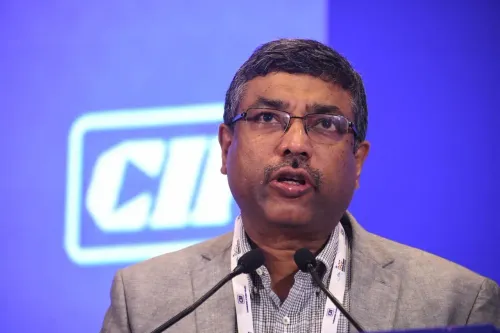
India's Electronics and IT Secretary S.
Krishnan said the government was ready to examine compliance with Indian law if a complaint was received.
Separately, Meta also rolled back end-to-end encryption on Instagram direct messages, reversing an earlier privacy commitment.
Meta has discontinued a newly launched feature that allowed users to generate AI images using photos from public Instagram accounts, pulling the tool within just three days of its 7 July debut following a swift and widespread backlash over privacy concerns. The retreat marks one of the fastest public reversals by a major tech platform in recent memory.
What the Feature Did
Introduced on 7 July 2025 alongside Muse Image — the first in-house AI image generator developed by Meta Superintelligence Labs — the feature let users create AI-generated images by entering any public adult Instagram account's username into a prompt. Critically, the feature did not notify account holders that their photos were being referenced. Public accounts belonging to users aged 18 and older were opted in by default, with an opt-out available only through app settings.
The Backlash
Criticism was immediate and came from multiple directions. Privacy advocates, talent agencies, actors' unions, and general social media users condemned the feature for enabling the use of individuals' public content without explicit consent or notification. In India, Electronics and Information Technology Secretary S. Krishnan stated that the government was prepared to examine whether the feature complied with Indian law if a formal complaint was received.
What Meta Said
'Our intent was to provide a useful creative tool and to give people control over whether their public content could be referenced in this way. We've heard the feedback that this feature missed the mark, so it's no longer available,' the company said in a statement. The acknowledgement is notably candid — Meta conceded the feature 'missed the mark' rather than defending its design.
Separate E2EE Rollback Also Draws Scrutiny
The AI image controversy comes alongside a separate but equally significant policy reversal: Meta has also switched off end-to-end encrypted (E2EE) direct messages on Instagram — a privacy-focused feature the company had previously positioned as a standard across its apps. End-to-end encryption ensures that only the sender and recipient can read messages. With its removal, Meta will technically be able to access message content — including photos, videos, and voice notes — if required. The company has urged users to download any important media or messages before the feature is fully discontinued.
What Happens Next
The dual rollbacks place Meta under renewed regulatory and public scrutiny at a time when global regulators are tightening oversight of AI-generated content and platform data practices. India's potential examination of the feature signals that the episode may not end with Meta's withdrawal — formal complaints could still trigger regulatory review. How Meta redesigns consent frameworks for AI tools built on user-generated content will be closely watched by the industry.
Point of View
And one that ignored years of platform-trust erosion. The simultaneous E2EE rollback compounds the problem: Meta is now retreating on two privacy commitments in the same news cycle. India's regulatory posture is worth watching — S. Krishnan's public statement suggests the government is primed to act if civil society files a formal complaint, which could set a precedent for how AI image tools are governed in the country.
NationPress
11 Jul 2026
Frequently Asked Questions
Why did Meta discontinue the Instagram AI image generation feature?
Meta pulled the feature on 11 July 2025 after widespread backlash over privacy concerns, including the fact that public accounts were opted in by default without notifying account holders. The company acknowledged the feature 'missed the mark' and removed it within three days of its 7 July launch.
What was the Meta Instagram AI image feature?
It was a tool launched on 7 July 2025 as part of Muse Image — Meta Superintelligence Labs' first in-house AI image generator — that allowed users to create AI-generated images by entering a public Instagram account's username into a prompt. It used photos from public adult profiles without notifying those account holders.
Who criticised Meta's AI image tool?
Privacy advocates, talent agencies, actors' unions, and general social media users were among the critics. In India, Electronics and Information Technology Secretary S. Krishnan said the government was prepared to examine whether the feature complied with Indian law if a formal complaint was received.
What is the separate E2EE issue involving Meta and Instagram?
Meta has also switched off end-to-end encrypted direct messages on Instagram — a feature it had previously committed to making standard across its apps. With E2EE removed, Meta can technically access message content, including photos, videos, and voice notes, if required. Users have been urged to download important media before the feature is fully discontinued.
Could Meta face regulatory action in India over the AI image feature?
Potentially. India's Electronics and IT Secretary S. Krishnan stated that the government was prepared to examine the feature's compliance with Indian law if a formal complaint was received. The feature has since been removed, but a complaint could still trigger a regulatory review.