Modi highlights skill development, ₹60,000 crore ITI push
Synopsis
India is preparing to host WorldSkills Asia 2027 as PM-SETU moves ahead with approved investment plans for 15 industry-linked clusters. Prime Minister Narendra Modi highlighted the need to make skilling a preferred career pathway, drawing attention to Jayant Chaudhary’s article on training and AI.
Key Takeaways
Prime Minister Narendra Modi highlighted skill development on 24 November .
India is set to host WorldSkills Asia 2027 , according to Jayant Chaudhary’s article.
PM-SETU has an outlay of ₹60,000 crore to upgrade 1,000 industrial training institutes.
Investment plans have been approved for 15 clusters , each with an anchor industry partner, the article says.
ADP’s People at Work 2026 found that 80 per cent of surveyed employees in India use AI several times a week, according to the article.
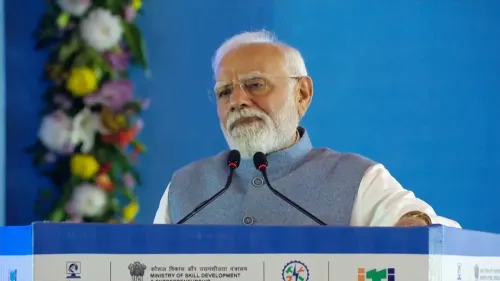
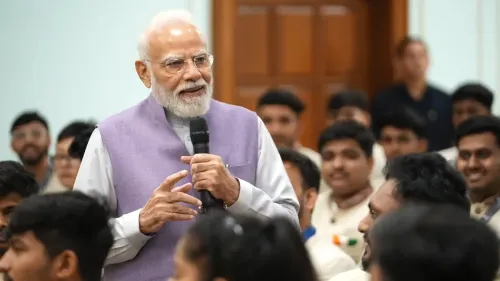
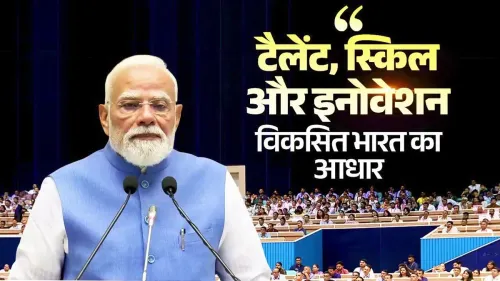
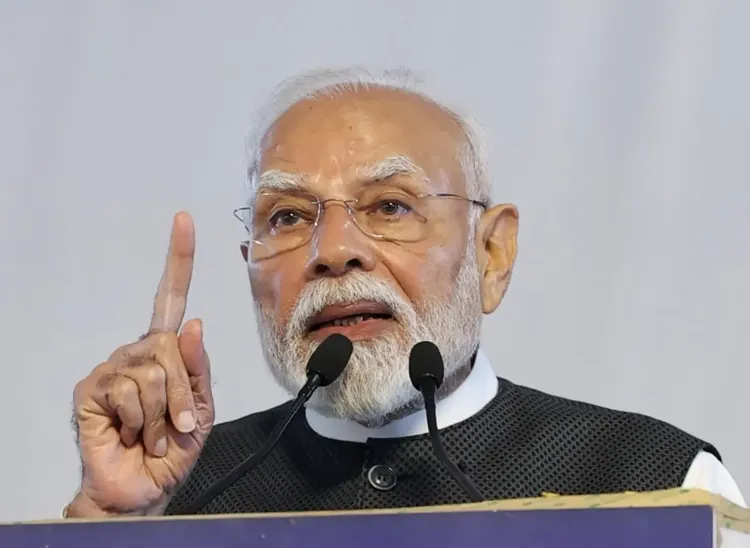
Prime Minister Narendra Modi on Tuesday, 24 November, highlighted India’s focus on skill development and the need to make vocational training a preferred career pathway. The Prime Minister’s Office, in a post on X, drew attention to an article by Union Minister of State Jayant Chaudhary on training initiatives and opportunities emerging in the age of artificial intelligence.
The article discusses the upcoming WorldSkills Asia 2027 event in India, the ₹60,000 crore PM-SETU initiative to upgrade industrial training institutes, and efforts to connect training more closely with industry.
WorldSkills Asia and vocational careers
Chaudhary’s article says India sent its first-ever contingent to WorldSkills Asia a year earlier and will now host a WorldSkills event for the first time. The minister presents the event as an opportunity to recognise the abilities of skilled young people on an international stage.
He also notes that vocational skilling remains a second choice for many families, with a degree often viewed as the preferred route. The article argues that a technical qualification can offer a more direct path to employment and professional fulfilment.
The distinction matters to young people weighing education and career options: the article puts vocational expertise alongside academic qualifications as a route into work, rather than treating it solely as an alternative for those who do not pursue a degree.
PM-SETU and industry-linked training
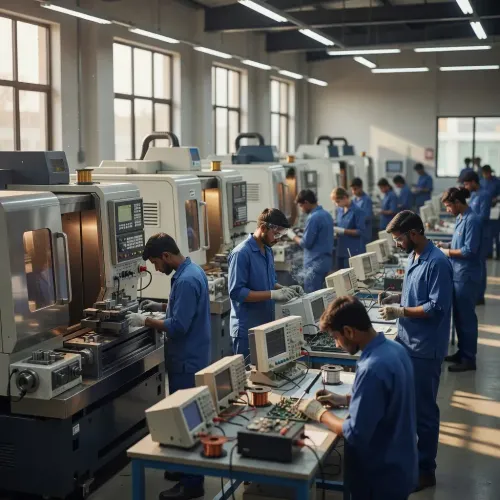
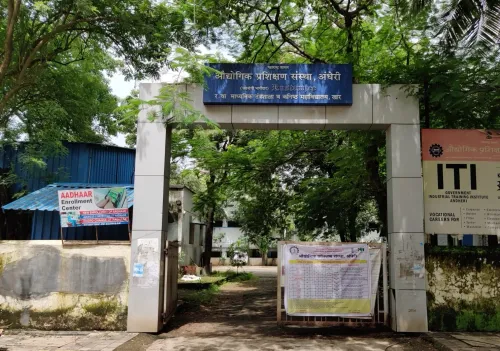
Modi launched PM-SETU at the previous year’s convocation with an outlay of ₹60,000 crore to upgrade 1,000 industrial training institutes, according to the article. It says investment plans have been approved for 15 clusters, each with an anchor industry partner.
The article adds that institutes will build matching workshops and laboratories, while employers will be able to find the talent they need in one place. The cluster approach links the proposed institute upgrades to the training requirements of participating industries.
The source does not specify the locations of the approved clusters, when the upgraded facilities will open or how many trainees they will serve. Those details will be important for students and employers assessing how the initiative reaches them.
AI adoption and changing skills demand
Chaudhary cites findings from ADP’s People at Work 2026 that 80 per cent of employees in India use AI several times a week, while 41 per cent use it nearly daily. The article says the latter figure was the highest among the markets surveyed.
It also points to World Economic Forum projections of 170 million new jobs and 92 million existing jobs lost by 2030, alongside an estimate that 59 out of every 100 workers will need training. These are global projections, not figures specific to India.
The article further cites a study published by The Economist estimating that AI has so far created about 1 million jobs in the US, compared with about 2 lakh layoffs blamed on it. It says many new roles are for electricians, technicians and installers who build and maintain data centres.
As India prepares to host WorldSkills Asia 2027, the progress of the approved training clusters and the rollout of upgraded facilities will be developments to watch.
Point of View
But their value will depend on transparent information about facilities, enrolment and employment outcomes. Public reporting on those measures would allow families to judge whether the ₹60,000 crore investment is delivering.
NationPress
24 Nov 2026
Frequently Asked Questions
What did PM Modi say about skill development?
Prime Minister Narendra Modi highlighted India’s focus on skill development and the importance of making skilling a preferred career pathway. His office drew attention to an article by Union Minister of State Jayant Chaudhary.
What is PM-SETU and how many ITIs will it upgrade?
PM-SETU is an initiative with a ₹60,000 crore outlay to upgrade 1,000 industrial training institutes. Chaudhary’s article says investment plans for 15 clusters have been approved.
When will India host WorldSkills Asia?
India is set to host WorldSkills Asia in 2027. Chaudhary’s article describes it as the first WorldSkills event to be held in India.
How is AI connected to India’s skilling push?
Chaudhary’s article links training to changing demand for skills as employers adopt AI. It cites ADP survey findings and global job and training projections from the World Economic Forum.
When will the upgraded ITI facilities open?
The source does not specify when the upgraded ITI facilities will open. It says investment plans have been approved for 15 clusters, each with an anchor industry partner.