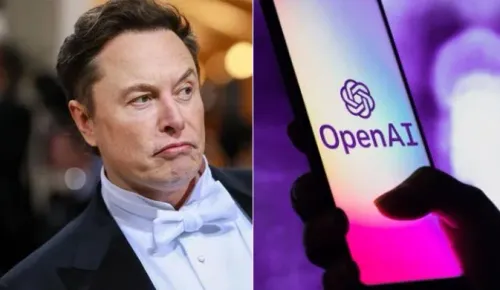
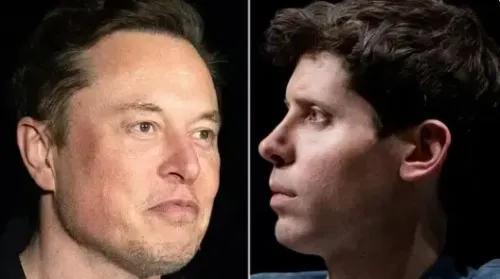
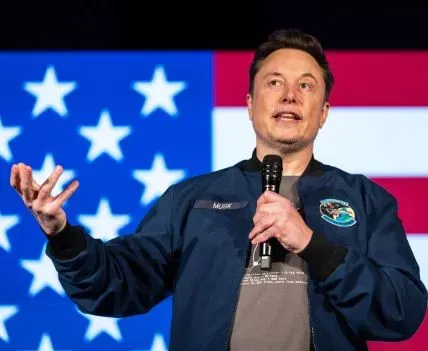
Elon Musk testifies against OpenAI, Sam Altman in nonprofit betrayal trial
Synopsis
Elon Musk took the stand against OpenAI in an Oakland federal court, warning that a verdict permitting the 'looting' of a charity could hollow out US philanthropy. With billions in Microsoft investment and ChatGPT's dominance at stake, this trial is shaping up as a defining moment for how AI companies balance mission and money.
Key Takeaways
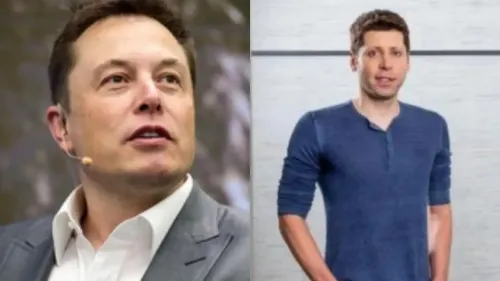
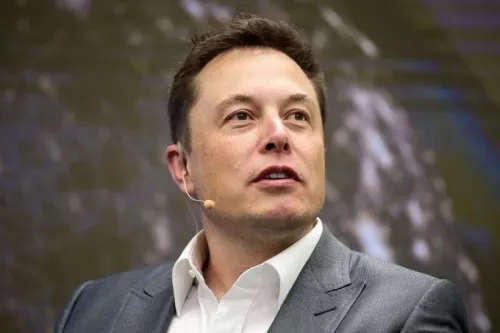
Elon Musk testified in a federal court in Oakland on 29 April against OpenAI and CEO Sam Altman .
Musk alleges OpenAI abandoned its founding nonprofit mission in favour of commercial interests.
OpenAI argues its shift to a capped-profit model was necessary to fund advanced AI research.
Musk co-founded OpenAI in 2015 and departed its board in 2018 , after which the firm attracted major investment from Microsoft .
The court's ruling, expected in the coming weeks, could set a precedent for nonprofit-to-commercial transitions in the AI sector.
Tesla and xAI CEO Elon Musk took the stand in a federal court in Oakland on 29 April, accusing OpenAI and its CEO Sam Altman of abandoning the organisation's founding nonprofit mission in favour of commercial interests. The high-stakes trial centres on Musk's claim that OpenAI deviated from its original goal of developing safe artificial intelligence for the benefit of humanity, evolving instead into a profit-driven entity competing with the world's largest technology firms.
What Musk Told the Court
During his testimony, Musk stated that he had backed OpenAI in its early years with the explicit understanding that it would operate as a nonprofit and prioritise transparency and safety in AI development. He argued that any verdict permitting the effective "looting" of a charity could weaken the foundations of philanthropy across the United States.
Musk also traced his original interest in OpenAI to a concern that Google was advancing AI technology without adequate regard for safety. He told the court that he played a significant role in the company's early development, including recruiting talent and facilitating connections with major technology partners.
He further expressed concern that a ruling in OpenAI's favour could set a precedent that undermines the principles governing charitable organisations more broadly.
OpenAI's Defence
OpenAI has defended its structural evolution, arguing that the shift to a capped-profit model and the pursuit of external funding — including a major investment from Microsoft — were necessary to meet the substantial costs associated with frontier AI research. The company has maintained that its nonprofit arm continues to retain overall control of the organisation.
Background: A Deepening Rift Since 2018
Musk co-founded OpenAI in 2015 before departing from its board in 2018. Following his exit, the company established a commercial subsidiary and attracted significant investment, most notably from Microsoft. OpenAI has since emerged as a dominant force in the global AI race, propelled by the success of its chatbot ChatGPT.
Musk subsequently launched his own AI venture, xAI, and has sought legal remedies including structural changes at OpenAI. He has indicated that any financial compensation awarded would not be for personal gain. This marks the most public and consequential stage of a rift that has been building for years between Musk and the organisation he helped create.
What the Ruling Could Mean
The court is expected to deliver its decision in the coming weeks. Legal observers note that the outcome could have far-reaching implications for the governance and funding models of AI companies — particularly those that began as nonprofits and later pursued commercial structures. A ruling either way is likely to influence how regulators and philanthropic bodies approach the rapidly expanding AI sector going forward.
Point of View
But the court will have to weigh it against OpenAI's legitimate argument that frontier AI research requires capital at a scale no pure nonprofit can sustain. What is missing from mainstream coverage is the structural question: if a nonprofit can quietly transition to a capped-profit model while retaining the reputational halo of its original mission, what does that mean for donor trust and regulatory oversight across the sector? The ruling could matter far beyond Silicon Valley.
NationPress
20 Sept 2026
Frequently Asked Questions
What is the Elon Musk vs OpenAI trial about?
The trial, being heard in a federal court in Oakland, centres on Elon Musk's claim that OpenAI and CEO Sam Altman abandoned the organisation's founding nonprofit mission of developing safe AI for humanity's benefit, pivoting instead to a profit-driven model. Musk is seeking legal remedies including structural changes at OpenAI.
Why did Elon Musk leave OpenAI?
Musk departed OpenAI's board in 2018, reportedly over disagreements about the organisation's direction. Following his exit, OpenAI established a commercial subsidiary and secured major investment from Microsoft.
How has OpenAI responded to Musk's accusations?
OpenAI has defended its structural shift, arguing that transitioning to a capped-profit model and attracting external funding were necessary to meet the enormous costs of advanced AI research. The company maintains its nonprofit arm retains overall control.
What could the court ruling mean for the AI industry?
Legal observers say the ruling could set a significant precedent for how AI companies — and nonprofits more broadly — are permitted to transition to commercial structures. It may also influence regulatory and philanthropic oversight of the rapidly growing AI sector.
What is Elon Musk's own AI venture?
After leaving OpenAI, Musk launched xAI, his own artificial intelligence company, which competes in the same space as OpenAI. He has stated that any financial compensation from the current lawsuit would not be for personal gain.