What Did NITI Aayog Unveil in Its Latest Reports on the Roadmap to Net Zero?
Synopsis
Discover the latest insights from NITI Aayog's newly released reports, shedding light on India's ambitious journey towards Net Zero by 2070. Uncover how sectors like transport, industry, and power are poised for transformation as the nation commits to sustainable growth.
Key Takeaways
Electricity could make up 60% of the power sector by 2070.
Demand for steel, cement, and aluminium may rise significantly by 2070.
Recycling could help meet a portion of copper and graphite demand.
Zero-emission vehicles and clean fuels are vital for transport transformation.
Strategies for critical minerals include domestic resource development and international sourcing.
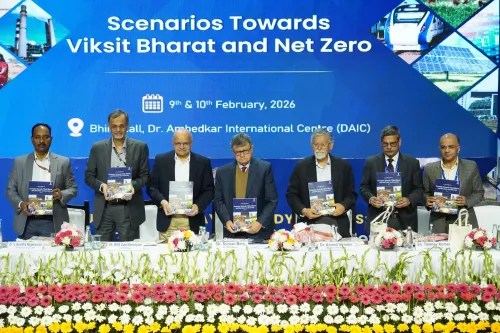
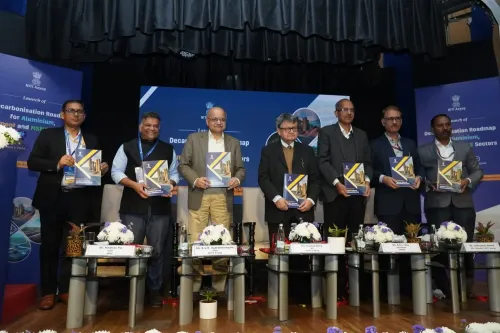
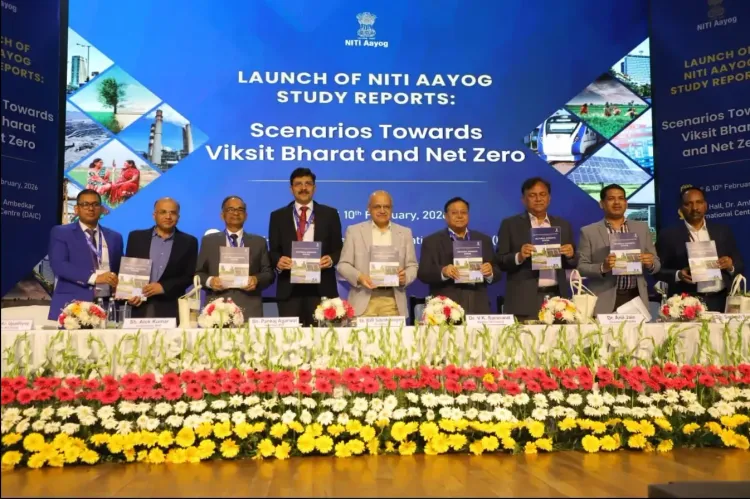
New Delhi, Feb 10 (NationPress) On Tuesday, the NITI Aayog unveiled the second batch of four Study Reports concerning the Roadmap for Viksit Bharat and Net Zero, focusing on the transport, industry, power, and critical minerals sectors.
The reports indicate that the share of electricity in the power sector could soar to as much as 60% by 2070, up from 21% in 2025, while the contribution from non-fossil fuel sources could rise from 23% to between 80-85%. By 2070, electricity, biofuels, and hydrogen could fulfill nearly 90% of the energy requirements for transport.
In the industrial realm, the demand for steel, cement, and aluminium is projected to escalate by 4-6 times by 2070, with electricity and green hydrogen forming the backbone of industrial energy.
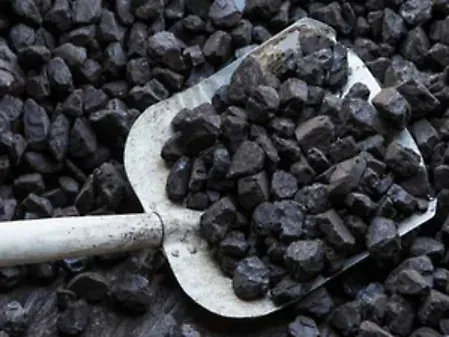
Regarding critical minerals, recycling could potentially satisfy 20-25% of the demand for copper and graphite by the middle of the century.
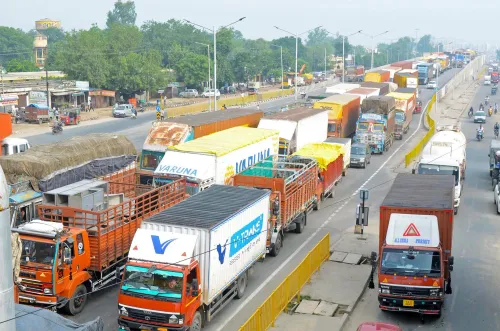
The report titled Scenarios Towards Viksit Bharat and Net Zero - Sectoral Insights: Transport (Vol. 3) evaluates the current landscape and future trajectory of India’s mobility ecosystem, including passenger and freight demands, modal distribution, technological advancement, and energy consumption. With expectations of increased passenger and freight transport, critical elements for transitioning include modal shifts, adoption of zero-emission vehicles, clean fuels, and structural changes towards public and shared mobility solutions as well as rail and waterway transport.
The Scenarios Towards Viksit Bharat and Net Zero - Sectoral Insights: Industry (Vol. 4) report delves into various aspects of the industrial energy transition, encompassing industrial output, energy demand, and emissions across key subsectors such as steel, cement, aluminium, textiles, and petrochemicals. A focus on electrification, material efficiency, recycling, and the share of non-fossil energy, alongside leveraging emerging technologies, is deemed essential for the future.
The Scenarios Towards Viksit Bharat and Net Zero - Sectoral Insights: Power (Vol. 7) report emphasizes the pivotal role of electricity in India’s developmental and Net Zero initiatives, scrutinizing future electricity needs, low-carbon supply alternatives, system reliability, and investment prerequisites. A sharp rise in demand is anticipated due to factors such as urbanization, cooling requirements, digitalization, electric mobility, and green hydrogen production. The report explores strategies for rapid electrification, extensive deployment of renewables, and enhancements in storage and transmission for a dependable, cost-effective, and increasingly clean power system.
The final report, Scenarios Towards Viksit Bharat and Net Zero - Critical Mineral Assessment: Demand and Supply (Vol. 10), evaluates the mineral requirements stemming from India’s adoption of clean technologies across sectors like solar, wind, battery energy storage systems, EVs, and electrolysers. It discusses strategies for mitigating risks in the critical mineral supply chain and ensuring India’s future needs through coordinated efforts in the development of domestic resources, international sourcing, institutional reforms, and circularity.
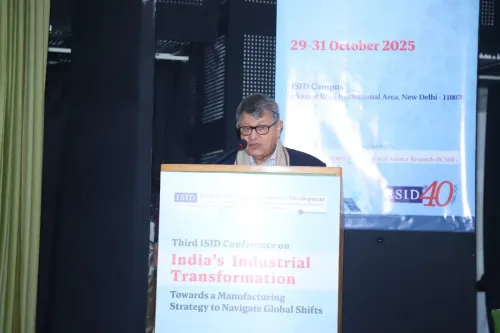
During his remarks, NITI Aayog Member, Dr. V. K. Saraswat stated, "Energy, industry, and transport function as the engines of India’s economy. The dual challenge of achieving Viksit Bharat by 2047 and Net Zero by 2070 presents a significant opportunity for a shift to clean energy and innovative fuels like green hydrogen, along with securing efficiency gains. Urgent action is needed to implement necessary technologies and reduce their costs."
NITI Aayog CEO, B.V.R Subrahmanyam, added, "The power, transport, and industry sectors represent 80% of the energy transition. Even with demand management, the necessity for materials such as steel, cement, and aluminium will increase rapidly. The hard-to-abate sectors in industry present formidable challenges. We must electrocute as much as possible, enhance circularity, substitute industrial processes, and improve efficiency."
Point of View
I believe that NITI Aayog's reports present a crucial roadmap for India's sustainable future. The insights provided will not only guide policy and investment decisions but also empower citizens to engage in the transition towards a cleaner, greener economy. It is imperative that we embrace these strategies with a commitment to progress and collaboration.
NationPress
28 Sept 2026
Frequently Asked Questions
What is the main focus of NITI Aayog's recent reports?
The reports concentrate on the scenarios leading to Viksit Bharat and Net Zero, specifically addressing the transport, industry, power, and critical minerals sectors.
How does the report envision the future of electricity in India?
The report predicts that electricity's share in the power sector could reach 60% by 2070, with non-fossil generation rising to 80-85%.
What role do critical minerals play in India's clean technology deployment?
Critical minerals are essential for clean technologies like solar and wind energy, with potential for recycling to meet future demands.
What is the significance of green hydrogen according to the reports?
Green hydrogen is highlighted as a crucial element in the transition to clean energy, especially in the industrial sector.
How does NITI Aayog recommend addressing challenges in the energy transition?
The reports suggest enhancing electrification, improving efficiency, and increasing the circularity of materials as key strategies.