NPPA fixes retail prices of 39 drug formulations, raises anti-rabies immunoglobulin rate

Synopsis
India's drug pricing regulator has fixed retail ceilings on 39 formulations covering some of the country's most-used therapies — and raised the price of anti-rabies immunoglobulin by 6.49%. In a separate move, it handed Hyderabad-based Biological E a five-year price-control exemption for Pneubevax 14, India's first 14-valent pneumococcal conjugate vaccine, signalling a deliberate push to incentivise domestic vaccine innovation.
Key Takeaways
The NPPA fixed retail prices for 39 drug formulations covering hypertension, diabetes, HIV, heart disease, and eye infections under the DPCO .
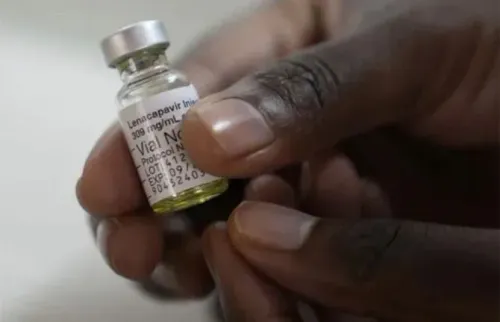
Anti-rabies immunoglobulin price raised to ₹119.48 per ml from ₹112.19 per ml — a 6.49% increase.
Hypertension FDC ( amlodipine + bisoprolol + telmisartan ) priced at ₹14.74 per tablet ; cardiology combo ( clopidogrel + aspirin + atorvastatin ) at ₹6.37 per capsule .
Nepafenac and moxifloxacin ophthalmic solution fixed at ₹68.64 per ml .
Pneubevax 14 , India's first 14-valent pneumococcal conjugate vaccine by Biological E , granted a five-year exemption from price control under DPCO 2013.
Manufacturers charging above notified rates must deposit the overcharged amount with interest under DPCO provisions.
The National Pharmaceutical Pricing Authority (NPPA) has raised the retail price of anti-rabies immunoglobulin and fixed the retail prices of 39 drug formulations spanning treatments for hypertension, diabetes, HIV, heart disease, and eye infections, under its latest regulatory exercise pursuant to the Drugs (Prices Control) Order (DPCO). The decisions were formalised through a gazette notification issued following the authority's 148th meeting.
Anti-Rabies Immunoglobulin Price Revision
The retail price of anti-rabies immunoglobulin has been revised upward to ₹119.48 per millilitre (ml) from the earlier ₹112.19 per ml, reflecting an increase of 6.49 per cent. The revision is in line with the NPPA's March 2025 decision to permit a 0.64956 per cent annual price increase for medicines on the National List of Essential Medicines (NLEM), calibrated against changes in the Wholesale Price Index (WPI).
Key Drug Formulations Priced
Among the 39 formulations assigned retail prices, a fixed-dose combination (FDC) of amlodipine, bisoprolol, and telmisartan tablets — prescribed for the management of hypertension — has been priced at ₹14.74 per tablet. A cardiology formulation combining clopidogrel, aspirin, and atorvastatin capsules, used to reduce the risk of heart attacks and strokes, has been assigned a ceiling of ₹6.37 per capsule.
In ophthalmology, the NPPA fixed the retail price of nepafenac and moxifloxacin ophthalmic solution — indicated for eye infections — at ₹68.64 per ml. The authority noted that any manufacturer or marketing company found charging above the notified retail rates would be required to deposit the overcharged amount along with applicable interest under the relevant DPCO provisions.
Pneubevax 14 Exempted from Price Control
In a separate decision, the NPPA granted a five-year exemption from price control to Pneubevax 14, described as India's first 14-valent Pneumococcal Polysaccharide Conjugate Vaccine, developed and manufactured by Hyderabad-based Biological E. The vaccine qualified for exemption under Paragraphs 32(i) and 32(ii) of the DPCO, 2013, as it is covered by a granted patent and meets the criteria applicable to new drugs developed through indigenous research and development.
Under these provisions, a patented new drug developed domestically and not manufactured elsewhere is exempt from the price control order for five years from the date commercial production begins in India. The NPPA has directed Biological E to submit details of the dates of commercial production and commercial marketing of the vaccine, along with the price to retailer (PTR) and the maximum retail price (MRP) set by the company.
Regulatory Rationale
The NPPA characterised the exercise as a routine regulatory function aimed at implementing DPCO provisions, regulating both controlled and decontrolled medicines, and ensuring that essential drugs remain financially accessible to patients. This comes amid sustained pressure on public health budgets and recurring concerns from patient groups about the affordability of combination therapies for chronic conditions such as hypertension and diabetes. The pricing decisions are expected to provide some cost certainty for pharmacies and hospitals procuring these formulations.
Point of View
Though modest in absolute terms, is worth watching: rabies post-exposure prophylaxis is time-critical and disproportionately accessed by rural and low-income populations who are least able to absorb even incremental cost increases.
NationPress
10 Oct 2026
Frequently Asked Questions
What did the NPPA decide in its 148th meeting?
The NPPA fixed the retail prices of 39 drug formulations covering hypertension, diabetes, HIV, heart disease, and eye infections, and revised upward the retail price of anti-rabies immunoglobulin to ₹119.48 per ml. It also granted a five-year price-control exemption to Pneubevax 14, India's first 14-valent pneumococcal conjugate vaccine.
By how much has the anti-rabies immunoglobulin price increased?
The retail price has risen by 6.49%, from ₹112.19 per ml to ₹119.48 per ml. The revision follows the NPPA's March 2025 decision to allow a 0.64956% annual price increase for NLEM medicines, linked to changes in the Wholesale Price Index.
What is Pneubevax 14 and why is it exempt from price control?
Pneubevax 14 is India's first 14-valent Pneumococcal Polysaccharide Conjugate Vaccine, developed and manufactured by Hyderabad-based Biological E. It qualifies for a five-year exemption under Paragraphs 32(i) and 32(ii) of the DPCO, 2013, because it is covered by a granted patent and was developed through indigenous R&D without being manufactured elsewhere.
What happens if a manufacturer charges more than the NPPA-notified price?
Any manufacturer or marketing company that charges above the notified retail rate is required to deposit the overcharged amount along with applicable interest under the relevant provisions of the Drugs (Prices Control) Order.
Which chronic-disease drugs have had retail prices fixed in this round?
Key formulations include an amlodipine-bisoprolol-telmisartan FDC for hypertension at ₹14.74 per tablet, a clopidogrel-aspirin-atorvastatin capsule for heart attack and stroke prevention at ₹6.37 per capsule, and a nepafenac-moxifloxacin ophthalmic solution for eye infections at ₹68.64 per ml, among others spanning diabetes and HIV therapies.