ONGC picks BP unit as TSP to lift Western Offshore output by 24%
Synopsis
ONGC has handed BP's Indian subsidiary a 10-year mandate to revive output from its Western Offshore fields — projecting a 24% jump in combined oil and gas production. With gains expected to kick in from FY27 and peak by FY30, this is one of the most consequential upstream recovery bets India's national oil company has made on mature assets.
Key Takeaways
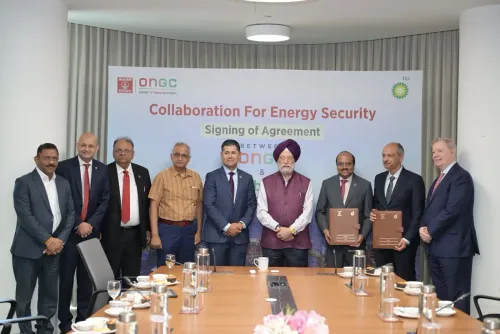
ONGC has appointed BP Exploration Services India Limited as Technical Services Provider (TSP) for its Western Offshore oil and gas fields, announced on 25 May 2025 .
The TSP projects a 10.8% rise in crude oil output and a 31.5% increase in natural gas production over the 10-year contract period.
Combined O+OEG production is expected to grow by approximately 24% against baseline levels.
Production improvement is projected to begin from FY27 , with full-scale impact from FY30 .
The fee model shifts from a fixed fee in the first two years to a revenue-linked structure tied to incremental output.
ONGC shares closed at ₹284.90 on the NSE on Monday.
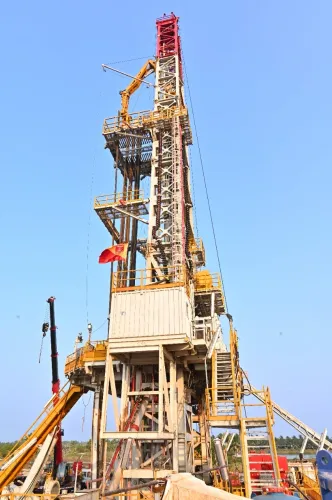
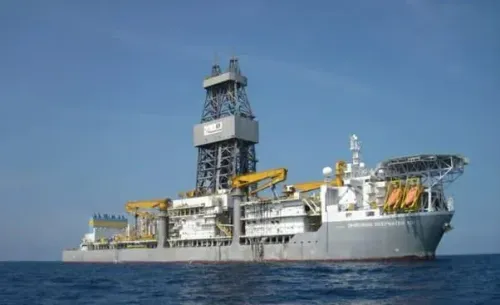
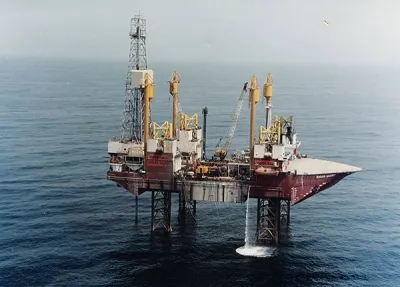
Oil and Natural Gas Corporation (ONGC) on Monday, 25 May announced the selection of BP Exploration Services India Limited — a UK-based subsidiary of BP Plc — as its Technical Services Provider (TSP) for Western Offshore oil and gas fields, excluding the Mumbai High field. The move is aimed at reversing declining production from mature offshore assets in the Mumbai Offshore Basin through technology-driven recovery improvements.
How the TSP Was Selected
The appointment followed an international competitive bidding process in which global oil majors were invited to submit proposals for enhanced recovery from ageing offshore fields. ONGC said the selection was conducted on merit, evaluating technical capability and projected production upside over a long-term horizon.
Projected Production Gains
For the Western Offshore cluster, BP Exploration Services India Limited has projected a 10.8% increase in crude oil output and a 31.5% rise in natural gas production over the 10-year contract period, compared with baseline levels. In combined oil and oil equivalent gas (O+OEG) terms, production is expected to grow by approximately 24%. According to ONGC, the improvement trajectory is expected to begin from FY27, with full-scale impact anticipated from FY30.
Fee Structure and Scope of Work
Under the arrangement, the TSP will receive a fixed fee during the initial two years, after which compensation shifts to a revenue-linked service fee tied to incremental hydrocarbon production, net of additional costs. The TSP's mandate covers assessment of field performance and recommendations across reservoirs, wells, and surface facilities, drawing on global best practices and advanced recovery technologies.
Building on the Mumbai High Partnership
This engagement extends ONGC's existing collaboration model. The state-run explorer had earlier partnered with BP Exploration Alpha Ltd. for the Mumbai High field, which has reportedly shown early signs of production stabilisation through well and facility optimisation. The Western Offshore TSP arrangement replicates that framework across a broader cluster of mature fields.
Strategic Context and Market Reaction
ONGC has framed the initiative as central to its broader strategy of maximising output from mature offshore assets while sustaining India's long-term energy security. This comes amid sustained pressure on domestic upstream producers to offset natural field decline rates without proportional increases in capital expenditure. Notably, India's dependence on crude oil imports remains above 85%, making incremental domestic output gains strategically significant. Shares of ONGC settled lower at ₹284.90 per share on the National Stock Exchange (NSE) on Monday.
Point of View
' but stabilisation is not growth. If the Western Offshore cluster delivers the projected 24% O+OEG uplift by FY30, it would materially shift India's domestic supply equation. If it doesn't, it will reinforce the case that India's upstream challenge is geological, not merely managerial.
NationPress
16 Oct 2026
Frequently Asked Questions
What is the ONGC-BP Technical Services Provider arrangement for Western Offshore fields?
ONGC has selected BP Exploration Services India Limited as its Technical Services Provider for Western Offshore oil and gas fields in the Mumbai Offshore Basin, excluding Mumbai High. The 10-year contract tasks BP's subsidiary with assessing field performance and recommending interventions to enhance crude oil and natural gas recovery from mature assets.
How much production increase is projected under this deal?
The TSP has projected a 10.8% rise in crude oil output and a 31.5% increase in natural gas production over the contract period, compared with baseline levels. In combined oil and oil equivalent gas (O+OEG) terms, production is expected to grow by approximately 24%.
When will the production gains begin?
According to ONGC, the improvement trajectory is expected to begin from FY27, with full-scale production impact anticipated from FY30.
How will BP Exploration Services India be compensated?
The TSP will receive a fixed fee for the initial two years of the contract. From the third year onward, compensation shifts to a revenue-linked service fee based on incremental hydrocarbon production, after accounting for additional costs incurred.
How does this relate to ONGC's earlier BP partnership?
ONGC had previously engaged BP Exploration Alpha Ltd. as a technical partner for the Mumbai High field, which has reportedly shown early signs of production stabilisation. The Western Offshore TSP arrangement extends a similar collaboration model to a broader cluster of mature offshore fields.