Patanjali Foods shares fall 5th day straight on sorghum flour pesticide row
Synopsis
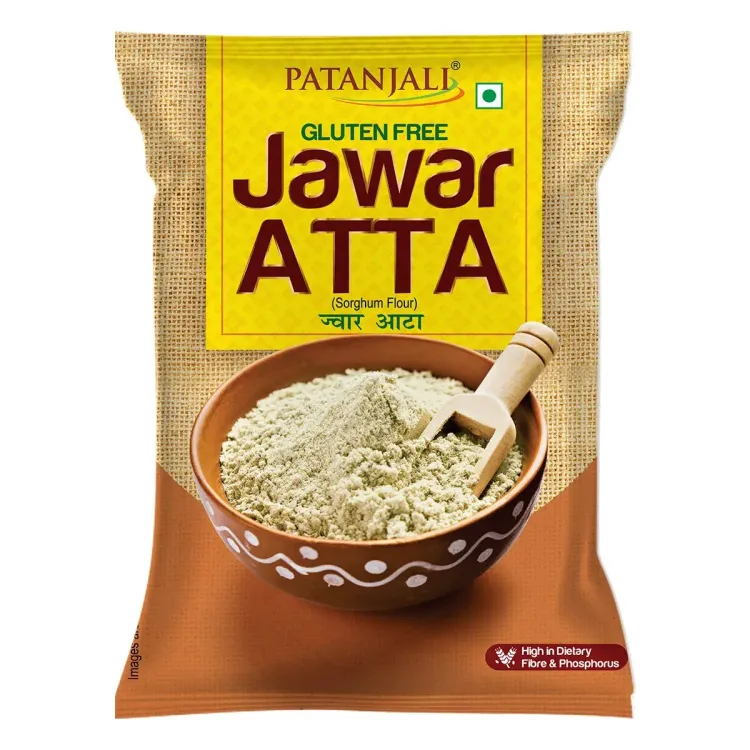
Patanjali Foods has now lost ground for five straight sessions, with a Kannur district ban on a sorghum flour batch — flagged for excess chlorpyriphos pesticide residue — amplifying an already bruising 25% year-on-year slide. The company insists the impact is limited to one batch, but markets remain unconvinced.
Key Takeaways
Patanjali Foods shares fell for a fifth consecutive session on 25 June , dropping to an intra-day low of ₹408.80 .
The stock has declined ₹11.10 (2.64%) over the five-day losing streak.
Shares are down 12.45% over the past month and 25.13% over the last year.
Food safety authorities in Kannur district, Kerala banned a specific batch of the company's sorghum flour over excess chlorpyriphos pesticide residues.
The company says the prohibition is limited to the affected batch and Kannur district only, with no material financial impact.
Patanjali Foods Limited shares extended their losing streak into a fifth consecutive session on Thursday, 25 June, as sustained selling pressure and weak investor sentiment kept the stock under water. The decline comes in the wake of a food safety prohibition order in Kerala's Kannur district over elevated pesticide residues found in a specific batch of the company's sorghum flour.
How the Stock Moved
The scrip opened at ₹416.20 and briefly touched an intra-day high of ₹416.80 before sliding to a session low of ₹408.80. Over the five-day losing run, the stock has shed ₹11.10, or 2.64%.
The near-term pain sits within a sharper medium-term slide. Patanjali Foods shares have declined approximately 12.45% over the past month and are down 25.13% over the last one year, reflecting a prolonged erosion of investor confidence.
The Sorghum Flour Controversy
The immediate trigger for renewed selling was a disclosure that food safety authorities in Kannur district had issued a prohibition order banning the sale of a specific batch of Patanjali Foods sorghum flour. The action followed laboratory findings that chlorpyriphos pesticide residue levels in the affected batch exceeded the maximum permissible limits set by food safety regulations.
In a regulatory filing, the company confirmed receipt of a communication from the Office of the Designated Officer (Food Safety), Kannur district, regarding the prohibition. The filing stated: 'Prohibition order of sale of Sorghum Flour of a Batch in Kannur District on account of presence of maximum level of Pesticide Residues of Chlorpyriphos.'
Company's Clarification
Patanjali Foods moved quickly to contain the fallout, clarifying that the prohibition is restricted to the identified batch and applies only within Kannur district. The company maintained that the order has no material bearing on its broader financial or operational performance.
'There is no material impact on financial or operational activities, except to the extent of value of the Sorghum Flour of a Batch,' the company said in its filing. The assertion, however, has not been enough to reassure markets, with the stock continuing to face headwinds.
Broader Context and What It Means
This is not the first time a food product from the Patanjali stable has attracted regulatory scrutiny. The group has faced periodic quality-related challenges over the years, and episodes of this nature tend to amplify existing bearish sentiment in the stock. Notably, the 25.13% year-on-year decline predates this specific controversy, suggesting structural concerns around the company's valuation and growth trajectory that the pesticide row has now compounded.
For investors, the key question is whether the company's containment narrative — limiting the issue to one batch in one district — will hold, or whether further regulatory action in other geographies could widen the impact. Markets will also watch for any response from national food safety authorities.
Point of View
One district — but markets are pricing in something larger: a reputational overhang that has now compounded a year-long structural slide. Patanjali Foods has struggled to shake off periodic quality controversies, and each episode chips away at the brand premium that once justified its valuation. The chlorpyriphos finding is particularly sensitive because pesticide residue in food products invites national regulator attention, not just district-level orders. If the Food Safety and Standards Authority of India steps in for a broader audit, the 'contained' narrative unravels fast.
NationPress
24 Sept 2026
Frequently Asked Questions
Why are Patanjali Foods shares falling?
Patanjali Foods shares have fallen for five consecutive sessions as of 25 June, pressured by weak investor sentiment and a food safety prohibition order in Kannur district, Kerala, banning a specific batch of its sorghum flour over excess chlorpyriphos pesticide residues. The stock is also down 25.13% over the past year.
What is the Kannur sorghum flour controversy?
Food safety authorities in Kannur district, Kerala, issued a prohibition order banning the sale of a specific batch of Patanjali Foods sorghum flour after laboratory tests found chlorpyriphos pesticide residue levels exceeding the maximum permissible limits. The order is currently restricted to that batch and Kannur district only.
What has Patanjali Foods said about the ban?
Patanjali Foods confirmed the prohibition order in a regulatory filing and clarified that it applies only to the identified batch within Kannur district. The company stated there is no material impact on its overall financial or operational performance beyond the value of the affected batch.
How much has Patanjali Foods stock fallen overall?
Over the five-day losing streak ending 25 June, the stock declined ₹11.10 or 2.64%. It is down approximately 12.45% over the past month and 25.13% over the last one year.
Could the ban expand beyond Kannur district?
The current prohibition order is limited to Kannur district, according to Patanjali Foods. However, if national food safety regulators initiate a broader review of the affected batch or related products, the scope of the restriction could widen — a risk that markets appear to be factoring in.