Patanjali Foods Q2 profit drops 19% to ₹420 crore despite 15% revenue jump
Synopsis
Patanjali Foods posted a 19% profit drop in Q2 FY27 even as revenues surged 15.5% — a margin squeeze the CEO pins on a festive calendar shift. But with the stock down over 30% in a year and an FDA-ordered ghee recall in October, the numbers raise bigger questions about whether the company's integrated FMCG model is delivering on its structural promise.
Key Takeaways
Patanjali Foods Q2 FY27 PAT fell 19% to ₹419.77 crore from ₹516.70 crore a year earlier.
Revenue from operations rose 15.55% year-on-year to ₹11,322.58 crore .
CEO Sanjeev Asthana cited a festive calendar shift — Navratri in October vs September last year — as a key reason for the timing mismatch.
The stock closed at ₹421 , down over 2% on Friday, and has fallen nearly 30% in one year, underperforming both the Sensex and BSE FMCG index.
In October 2026 , MP FDA ordered the recall of a batch of Patanjali cow ghee for failing food safety standards.
Patanjali Foods Limited reported a consolidated profit after tax (PAT) of ₹419.77 crore for Q2 FY27 (quarter ended 30 September 2026), marking a steep 19% decline year-on-year from ₹516.70 crore in the same quarter last year. The profit erosion came even as revenues expanded sharply, highlighting a widening gap between top-line growth and bottom-line delivery.
Revenue Growth Fails to Protect Margins
Revenue from operations climbed 15.55% year-on-year to ₹11,322.58 crore, up from ₹9,798.84 crore in Q2 FY26. Total income for the quarter came in at ₹11,406.5 crore, compared to ₹9,850 crore in the year-ago period. Despite the double-digit revenue expansion, higher input costs and a shift in festive calendar timing compressed profitability.
What the CEO Said
Sanjeev Asthana, Chief Executive Officer of Patanjali Foods, attributed the performance to the resilience of the company's integrated business model spanning branded edible oils, upstream oil palm plantations, and a growing FMCG portfolio. 'Q2FY27 performance reflected the resilience of our integrated business model across branded edible oils, upstream oil palm plantations and growing FMCG portfolio,' Asthana said.
He also flagged a demand-timing mismatch: Navratri fell in October this year rather than September, while Pitru Paksha in September deferred festive purchases, shifting revenue recognition across quarters. This seasonal distortion, he argued, masked underlying demand strength.
Stock Performance Under Pressure
Shares of Patanjali Foods closed over 2% lower on Friday at ₹421 on the BSE. The stock has touched a 52-week high of ₹595.20 and a 52-week low of ₹328.05. The longer-term picture is more sobering: the scrip has declined approximately 6% over six months, 23.93% year-to-date, and nearly 30% over one year — underperforming both the Sensex and the BSE FMCG index across all three periods. Over two years, the stock has shed more than 31%.
Regulatory Cloud: Madhya Pradesh FDA Recall
Compounding investor concern, Patanjali Foods received an order in October from the Food and Drug Administration (FDA) in Madhya Pradesh, directing the recall of a batch of cow ghee after a sample was found to be unsafe under food safety regulations. According to the company's exchange filing, the MP FDA issued the order because the sample failed to meet standards under the Food Safety and Standards (Food Products Standards and Food Additives and Contaminants, Toxins and Residues) Regulations, 2011. The recall adds reputational weight to an already weak earnings quarter.
What to Watch Next
With Q3 FY27 capturing the full benefit of the festive season — including Navratri and Diwali demand — the management's claim of a timing mismatch will be tested in the next quarterly print. Investors and analysts will watch whether margin recovery materialises, and whether the ghee recall triggers any broader regulatory scrutiny across the company's product portfolio.
Point of View
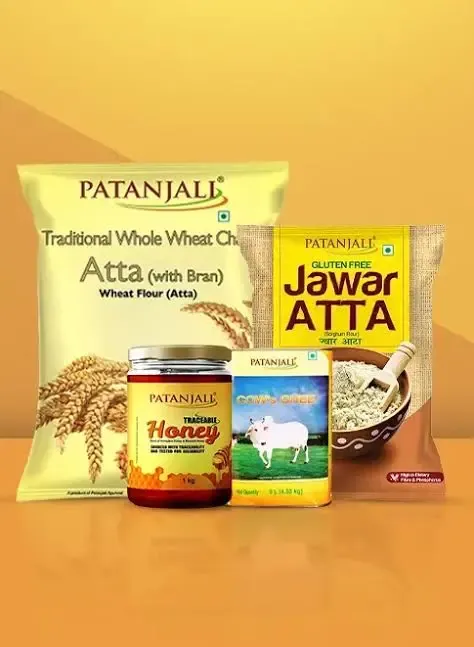
Stretched across oil palm plantations, branded edible oils and FMCG, appears to be absorbing cost pressure without passing it through, squeezing returns. The festive-calendar explanation may hold for one quarter, but the stock's 30% one-year underperformance against the broader FMCG index suggests the market is pricing in structural, not seasonal, concerns. The October ghee recall from MP FDA is a low-probability but high-consequence overhang: for a brand whose core equity is natural and pure positioning, any food safety action lands disproportionately hard on consumer trust.
NationPress
14 Nov 2026
Frequently Asked Questions
What was Patanjali Foods' profit in Q2 FY27?
Patanjali Foods reported a consolidated profit after tax of ₹419.77 crore in Q2 FY27 (quarter ended 30 September 2026), a decline of nearly 19% from ₹516.70 crore in the same quarter last year.
Why did Patanjali Foods' profit fall despite higher revenues?
Revenues rose 15.55% to ₹11,322.58 crore, but profitability was squeezed by cost pressures and a festive calendar shift. CEO Sanjeev Asthana noted that Navratri fell in October this year rather than September, deferring festive demand into Q3 FY27 and reducing Q2 revenues from seasonal purchases.
What is the MP FDA ghee recall and how does it affect Patanjali Foods?
In October 2026, the Food and Drug Administration in Madhya Pradesh ordered Patanjali Foods to recall a batch of cow ghee after a sample failed standards under the Food Safety and Standards Regulations, 2011. The recall adds regulatory and reputational risk to an already weak earnings quarter, particularly for a brand built on a natural and pure product positioning.
How has the Patanjali Foods stock performed recently?
The stock closed at ₹421 on the BSE on Friday, down over 2% on the day. It has declined approximately 6% over six months, 23.93% year-to-date, and nearly 30% over one year, underperforming both the Sensex and the BSE FMCG index across all three periods.
What should investors watch in the next quarter for Patanjali Foods?
Q3 FY27 will capture the full Navratri and Diwali festive season, making it the real test of management's timing-mismatch explanation. Investors will also monitor whether the ghee recall triggers further regulatory action and whether margin recovery materialises as festive volumes pick up.