How is PRAGATI Enhancing Accountability and Project Implementation?
Synopsis
Discover how PRAGATI, Prime Minister Modi’s flagship initiative, is revolutionizing project implementation and accountability in India. This innovative platform facilitates timely decision-making and enhances inter-departmental coordination, ensuring that mega projects are executed efficiently for the welfare of the citizens.
Key Takeaways
PRAGATI enhances project execution through structured monitoring.
It promotes inter-ministerial coordination for timely decision-making.
Over Rs 85 lakh crore in projects expedited in the last decade.
Technology plays a key role in governance improvements.
Regular reviews ensure focused resolution of implementation challenges.
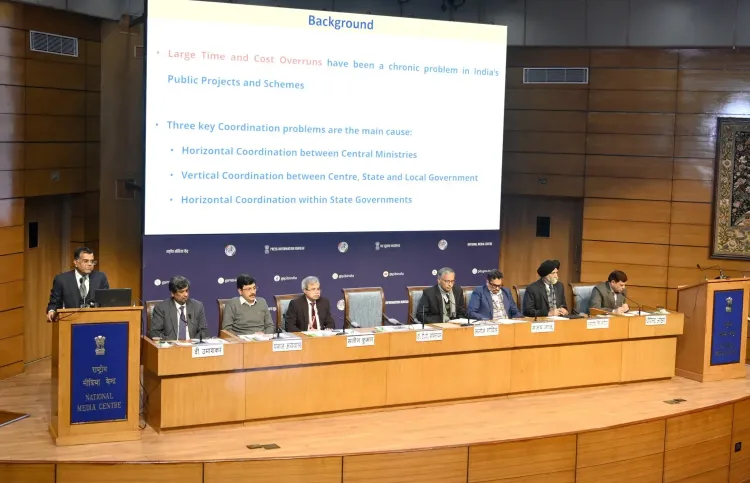
New Delhi, Jan 2 (NationPress) On Friday, Cabinet Secretary T.V. Somanathan announced that the Prime Minister Narendra Modi’s flagship initiative for Pro-Active Governance and Timely Implementation (PRAGATI) has significantly expedited the rollout of large-scale projects and essential welfare programs.
The Cabinet Secretary emphasized the well-structured Project and Issue Escalation Mechanism within the PRAGATI framework, which facilitates systematic oversight and resolution of challenges at various levels, including state governments.
As per a statement from the Cabinet Secretariat, Somanathan noted that issues are first tackled at the Ministry level, while more complex and critical matters can be escalated through established institutional channels for higher-level scrutiny, culminating at PRAGATI meetings presided over by Prime Minister Modi.
This escalation structure promotes coordinated inter-ministerial responses, timely decision-making, and concentrated efforts to resolve implementation hurdles in projects deemed vital for national progress.
Somanathan pointed out that PRAGATI remains an effective tool for fostering accountability and hastening project execution through rigorous monitoring and evaluations conducted at the highest echelons.
Over the past decade, the PRAGATI platform has contributed to accelerating projects valued at over Rs 85 lakh crore and resolving longstanding issues through enhanced cooperation between the Centre and states, as highlighted by PM Modi on Wednesday.
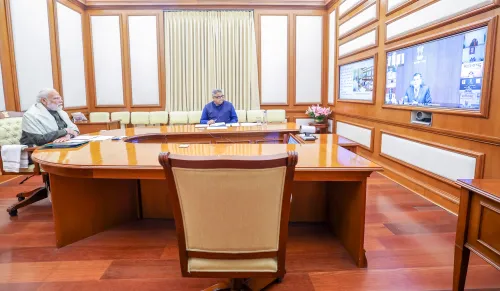
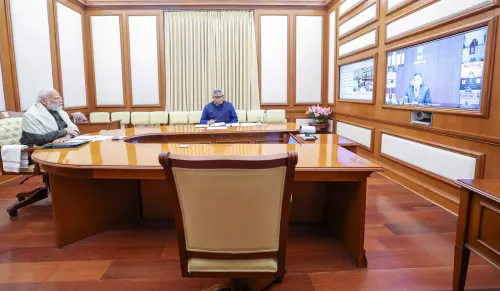
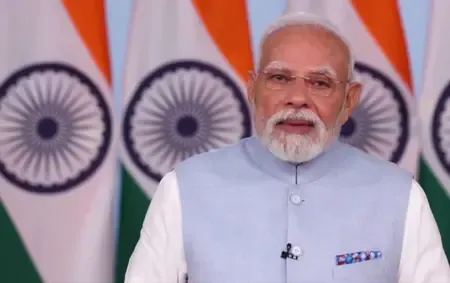
During the 50th session of PRAGATI, PM Modi remarked that reaching this milestone signifies a profound transformation in India’s governance ethos, where decisions are made promptly, accountability is established, and inter-departmental and state coordination is reinforced.
This landmark meeting showcased how technology-driven monitoring and regular feedback have revolutionized governance in India.
"This strategy has directly enhanced ground-level delivery and made government actions more apparent in the daily lives of citizens," PM Modi stated.
In the meeting, the Prime Minister assessed five major infrastructure projects concerning roads, railways, power, water resources, and coal, spanning five states with a combined investment exceeding Rs 40,000 crore.
PM Modi underscored the importance of ensuring timely project execution and eliminating bottlenecks through ongoing monitoring.
Point of View
The PRAGATI initiative represents a significant advancement in India's governance model. It illustrates a commitment to accountability and efficient project execution, reflecting the government's dedication to improving the lives of citizens. The emphasis on technology and structured escalation mechanisms showcases a proactive approach to resolving challenges in governance. As India evolves, such frameworks are essential for sustainable development and public trust.
NationPress
19 Sept 2026
Frequently Asked Questions
What is the PRAGATI initiative?
PRAGATI is a platform for Pro-Active Governance and Timely Implementation, aimed at enhancing project execution and accountability in India.
Who chairs the PRAGATI meetings?
The PRAGATI meetings are chaired by Prime Minister Narendra Modi.
How much investment has PRAGATI helped expedite?
PRAGATI has expedited projects worth more than Rs 85 lakh crore over the last decade.
What sectors do the PRAGATI projects cover?
The PRAGATI projects cover various sectors, including infrastructure, roads, railways, power, water resources, and coal.
What role does technology play in PRAGATI?
Technology-based monitoring and regular follow-ups are integral to PRAGATI, improving governance efficiency.