Can Banks Declare Dividends Only After Meeting Capital Norms?

Synopsis
In a recent proposal by the RBI, strict financial and regulatory conditions have been introduced for banks wishing to declare dividends. This move aims to protect the financial health of banks and ensure that only compliant institutions reward shareholders.
Key Takeaways
RBI's new framework restricts dividend declarations.
Banks must meet capital requirements before profit distributions.
Positive profits are necessary for foreign banks to remit funds.
Exceptional income must be excluded from profit calculations.
Compliance ensures only well-managed banks reward shareholders.
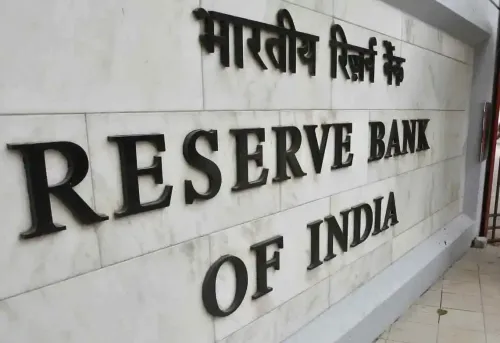
Mumbai, Jan 6 (NationPress) The Reserve Bank of India (RBI) has proposed a new framework stipulating that banks may only declare dividends or distribute profits if they fulfill stringent financial and regulatory criteria. This initiative is designed to safeguard the financial stability of banks by ensuring that profit distributions do not compromise their capital strength.
According to the suggested guidelines, banks are required to adhere to all regulatory capital standards at the conclusion of the preceding financial year and maintain compliance during the year in which dividends are issued.
The RBI emphasizes that capital ratios must remain above the designated thresholds even subsequent to the distribution of dividends.
Furthermore, Indian banks need to demonstrate a positive adjusted profit after tax for the relevant duration, while foreign banks operating in India through branches must also show positive earnings to remit funds back to their parent companies.
The central bank has specified that banks facing specific restrictions from the RBI or other regulatory bodies will be ineligible to declare dividends or remit profits.
This measure aims to ensure that only properly managed and compliant banks can reward their shareholders or transfer profits abroad.
The proposed regulations follow the RBI's review of existing prudential norms governing dividend declarations and profit remittances, including those for foreign banks functioning in India.
A draft of the revised framework was initially unveiled for public feedback in January 2024, after which the RBI engaged with stakeholders to propose a new method for calculating the maximum allowable dividend payout.
As outlined in the draft, qualifying foreign banks will be permitted to remit net profits earned from their Indian operations without requiring prior approval from the RBI, contingent upon their accounts being audited.
However, any excess remittance must be promptly returned by the head office.
The RBI has also tightened the criteria for profit calculation, mandating that banks exclude any exceptional or extraordinary income when determining profit after tax.
Point of View
It's essential to recognize that the RBI's new framework reflects a commitment to maintaining the integrity and stability of India's banking sector. By enforcing stringent capital norms, the RBI ensures that banks prioritize their financial health while rewarding shareholders responsibly. This balanced approach fosters trust in the banking system, benefiting the economy as a whole.
NationPress
30 Sept 2026
Frequently Asked Questions
What are the new RBI rules regarding bank dividends?
The RBI has proposed that banks can only declare dividends if they meet strict capital requirements and report positive profits, ensuring they maintain financial stability.
Who is affected by these new regulations?
Both Indian banks and foreign banks operating in India are affected, as they must comply with the new capital norms and profit reporting conditions.