RBI launches Mission SAKSHAM to train 1.40 lakh UCB staff
Synopsis
The RBI's Mission SAKSHAM is not just a training drive — it is the central bank's most structured attempt yet to fix the governance deficit in urban cooperative banks, a sector scarred by high-profile failures. With 1.40 lakh participants targeted and regional-language delivery planned, this is capacity-building at scale.
Key Takeaways
The RBI launched Mission SAKSHAM on 29 April 2025 in Mumbai to strengthen the Urban Cooperative Banking (UCB) sector.
The initiative targets approximately 1.40 lakh participants through in-person and e-learning training programmes.
Training covers board members , senior management , risk, compliance, audit, and IT staff .
Content will be delivered in regional languages wherever feasible to ensure wider accessibility.
The programme was designed in consultation with the umbrella organisation of UCBs and national and state cooperative federations.
The mission aims to build a sustainable, self-reinforcing ecosystem of continuous learning within the UCB sector.
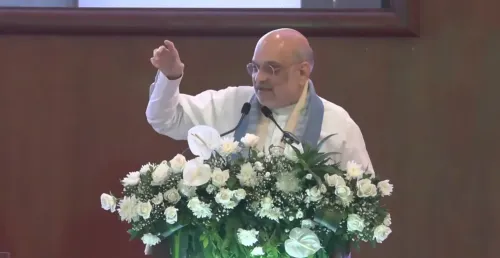
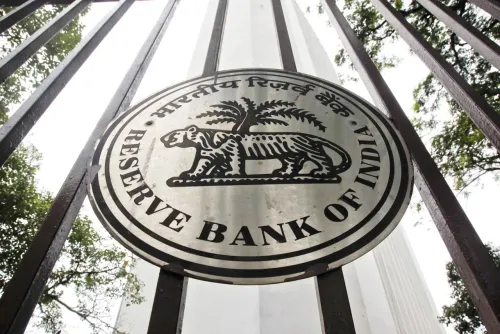
The Reserve Bank of India (RBI) on Tuesday, 29 April 2025, launched 'Mission SAKSHAM', a nationwide capacity-building initiative targeting the Urban Cooperative Banking (UCB) sector, with structured training programmes aimed at reaching approximately 1.40 lakh participants across India. Unveiled by the RBI Governor in Mumbai, the mission seeks to equip the UCB workforce and leadership with the knowledge and tools needed to navigate an evolving financial landscape.
What Mission SAKSHAM Covers
Derived from the Hindi word meaning 'to make capable', Mission SAKSHAM will deliver training through both in-person sessions and e-learning platforms. The programme targets a broad cross-section of stakeholders — including board members, senior management, and heads of risk, compliance, and audit functions, as well as employees working in IT and other critical operational areas.
Notably, the RBI has committed to delivering training content in regional languages wherever feasible, ensuring wider accessibility and deeper comprehension among participants spread across the country.
Design and Consultation Process
The programme was designed in consultation with the umbrella organisation of UCBs and various national and state cooperative federations, lending it a collaborative foundation that reflects ground-level challenges within the sector. This consultative approach is intended to make the curriculum practically relevant rather than purely regulatory in character.
Why the RBI Is Prioritising UCBs
Urban cooperative banks have historically been a vulnerable segment of India's financial system, prone to governance lapses, weak compliance cultures, and inadequate risk management. The RBI's focus on this sector has intensified over the past several years following high-profile failures at institutions such as Punjab and Maharashtra Co-operative (PMC) Bank, which exposed deep structural weaknesses. Mission SAKSHAM represents the central bank's latest effort to address these systemic gaps through institutional capacity-building rather than punitive regulation alone.
This comes amid the RBI's broader push to reinforce regulatory and supervisory frameworks across cooperative banking, a sector that serves millions of depositors — particularly in smaller cities and semi-urban areas — but has lagged behind commercial banks in governance standards.
Expected Outcomes
According to the RBI, Mission SAKSHAM is expected to significantly improve managerial and operational efficiency within urban cooperative banks, while also strengthening compliance culture and institutional resilience. The central bank stated that the mission
Point of View
But the real test is whether training translates into measurable compliance improvements or remains a checkbox exercise. UCBs have survived decades of reform rhetoric; what they need is accountability infrastructure, not just curriculum. The RBI's credibility on cooperative banking reform will ultimately rest on whether Mission SAKSHAM produces auditable outcomes — or quietly fades like earlier capacity initiatives.
NationPress
19 Sept 2026
Frequently Asked Questions
What is Mission SAKSHAM launched by the RBI?
Mission SAKSHAM is a nationwide capacity-building initiative launched by the Reserve Bank of India on 29 April 2025 to strengthen the Urban Cooperative Banking sector through structured training and skill development. The mission targets approximately 1.40 lakh participants across India through both in-person and e-learning programmes.
Who will be trained under Mission SAKSHAM?
The programme targets a wide range of UCB stakeholders including board members, senior management, and heads of risk, compliance, and audit functions, as well as employees in IT and other critical operational areas. Training content will also be delivered in regional languages to ensure broader accessibility.
Why did the RBI launch Mission SAKSHAM for urban cooperative banks?
The RBI launched Mission SAKSHAM to address longstanding governance, compliance, and risk management weaknesses in the urban cooperative banking sector. The initiative follows a series of high-profile UCB failures and is part of the central bank's broader effort to reinforce regulatory and supervisory frameworks in the sector.
How was Mission SAKSHAM designed?
The programme was designed in consultation with the umbrella organisation of UCBs and various national and state cooperative federations, ensuring the curriculum reflects ground-level operational challenges. The RBI aims to make training practically relevant rather than purely regulatory in focus.
What outcomes does the RBI expect from Mission SAKSHAM?
The RBI expects Mission SAKSHAM to significantly improve managerial and operational efficiency within UCBs, strengthen compliance culture, and build institutional resilience. The central bank also aims to create a sustainable, self-reinforcing ecosystem of continuous learning that supports long-term stability and growth of the UCB sector.