Renault Group India files NCLT petition to restructure India operations
Synopsis
Renault Group India has filed an NCLT petition to split its powertrain manufacturing into a standalone entity while merging vehicle assembly and sales — a structural bet on India as a €2 billion annual export hub by 2030. The move signals a sharpening of operational focus rather than a retreat, with all 15,000 jobs and business relationships reportedly protected.
Key Takeaways
Renault Group India filed a petition before the NCLT on 30 April 2025 seeking approval for a proposed operational restructuring.
The plan separates powertrain manufacturing into a dedicated entity and consolidates vehicle manufacturing and sales under a single framework.
Renault targets up to 2 billion euros in annual exports from India by 2030 .
The company employs around 15,000 people in India; the restructuring will have no impact on employees, customers, dealers, or suppliers.
Wholesale sales in February rose 31 per cent year-on-year to 3,495 units , driven by the refreshed Kiger and Triber models.
Renault operates over 600 sales and service touchpoints across India.
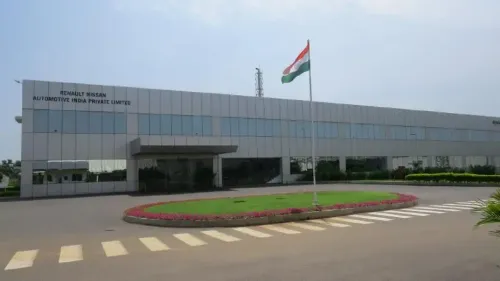
Renault Group India on Thursday, 30 April approached the National Company Law Tribunal (NCLT) seeking approval for a proposed restructuring of its India operations, the company confirmed in an official statement. The plan aims to separate powertrain manufacturing into a dedicated entity while bringing vehicle manufacturing and sales under a single integrated framework.
What the Restructuring Involves
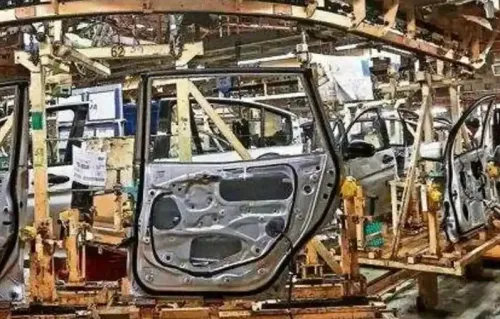
The proposed reorganisation will split Renault's India business along operational lines. Powertrain manufacturing — covering engines and drivetrains — will be carved out into a standalone entity, while vehicle assembly and sales functions will be consolidated under one roof.
The company said the move is designed to align with the distinct operational requirements of each business segment and to support its long-term strategy in India. Renault has positioned India as a critical node in its global manufacturing and export network.
Exports and Long-Term India Strategy
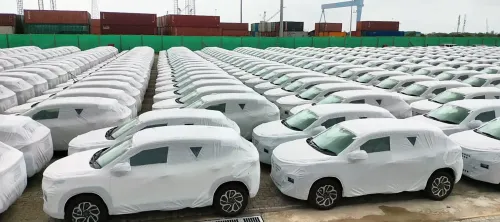
Central to the restructuring rationale is Renault's ambition to scale exports significantly. The carmaker has set a target of achieving up to 2 billion euros in annual exports from India by 2030. This comes amid a broader push by global automakers to leverage India's cost-competitive manufacturing base for international supply chains.
Renault currently manufactures and ships vehicles, components, and engineering services to multiple international markets from its Indian facilities. The restructuring is intended to sharpen operational focus and strengthen India's role as a global production hub.
Impact on Employees, Customers and Partners
Renault Group India was categorical that the proposed changes will not disrupt day-to-day operations. The company stated that there will be no impact on employees, customers, dealers, suppliers or partners, and that existing employment terms, service continuity, and business relationships will remain unchanged.
The carmaker employs around 15,000 people across its integrated manufacturing operations as well as engineering, research, and design centres in India. All manufacturing, supply, and service commitments will continue as usual, the company said.
Sales Performance and Market Presence
The restructuring announcement comes on the back of improving sales momentum. In February, Renault Group India reported wholesale sales of 3,495 units, up 31 per cent from 2,676 units in the same month last year, driven by strong demand for its refreshed Kiger and Triber models.
The company operates a nationwide sales and service network of over 600 touchpoints across India, catering to both domestic demand and global programmes.
What Happens Next
The NCLT petition is the formal first step in the restructuring process, and the tribunal's approval will be required before any structural changes take effect. Regulatory timelines for such approvals can vary, though the company has indicated it expects business continuity throughout the process. Stakeholders will be watching closely to see whether the cleaner operational split accelerates Renault's export ambitions ahead of its 2030 target.
Point of View
Possibly to serve third-party clients or joint ventures. The €2 billion export target by 2030 is ambitious but not implausible given India's growing role in global auto supply chains. What the restructuring must not become is a prelude to workforce rationalisation dressed up in operational language — the company's assurances on employment continuity will need to hold up under scrutiny as the NCLT process unfolds.
NationPress
19 Sept 2026
Frequently Asked Questions
Why has Renault Group India approached the NCLT?
Renault Group India has filed a petition before the National Company Law Tribunal (NCLT) to seek formal approval for a proposed restructuring of its India operations. The restructuring involves separating powertrain manufacturing into a dedicated entity and consolidating vehicle manufacturing and sales under a single framework.
Will the restructuring affect Renault India employees or customers?
Renault Group India has stated that the proposed changes will have no impact on its approximately 15,000 employees, customers, dealers, suppliers, or partners. Existing employment terms, service continuity, and business relationships will remain unchanged throughout the process.
What is Renault India's export target by 2030?
Renault Group India has set a target of achieving up to 2 billion euros in annual exports from India by 2030. The restructuring is intended to strengthen India's role as a manufacturing and export hub for the group's global programmes.
How are Renault India's sales performing?
Renault Group India reported wholesale sales of 3,495 units in February, a 31 per cent increase from 2,676 units in the same month last year. The growth was driven by strong demand for the refreshed Kiger and Triber models.
What happens after the NCLT petition is filed?
The NCLT will review the restructuring petition and its approval is required before any structural changes take effect. Renault has indicated that business operations, manufacturing, supply, and service commitments will continue as normal during the regulatory process.