S. Korea's car trade deficit with China hits record $4.23 bn on Tesla EV surge
Synopsis
South Korea's car trade deficit with China hit an all-time high of $4.23 billion in the first ten months of 2026 — more than double last year's figure — fuelled almost entirely by Tesla EVs rolling out of Shanghai. At the same time, Seoul's transport regulators rejected Tesla's request to roll out its Full Self-Driving feature, citing a two-page technical filing. South Korea's auto sector now faces a structural reckoning as China-made vehicles rewrite its import map.
Key Takeaways
South Korea's car trade deficit with China reached a record $4.23 billion in January–October 2026 .
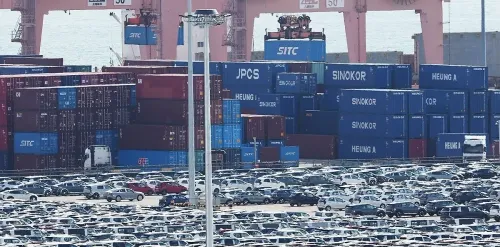
Imports of China-made cars surged 79.2% year-on-year to $4.39 billion ; South Korean car exports to China fell 34.9% to $168.77 million .
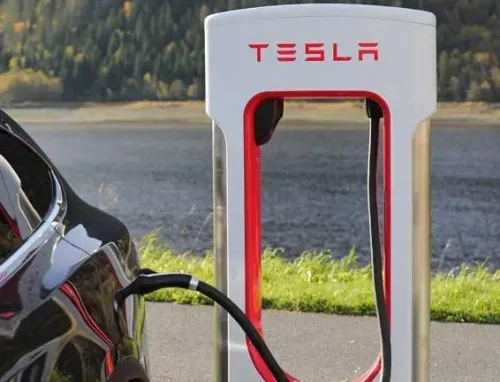
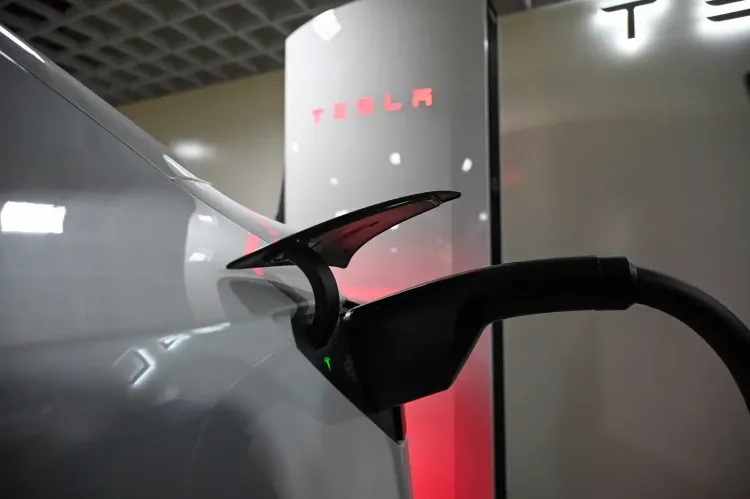
98,313 Tesla EVs — built at the Shanghai Gigafactory — were sold in South Korea over the period, up 105% on the year.
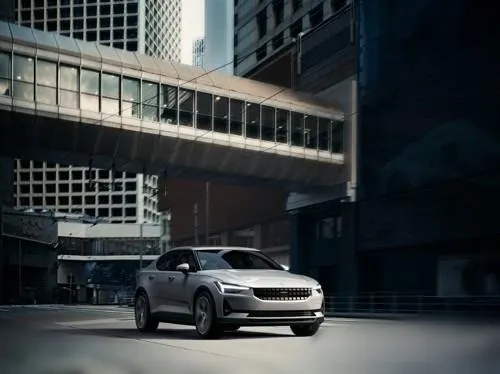
China's BYD sold more than 20,000 vehicles in South Korea; Polestar also sells China-made EVs there.
China overtook Germany as South Korea's largest source of car imports in the first half of the year.
South Korea's transport ministry rejected Tesla's FSD exemption application, citing insufficient technical documentation — just two pages submitted on 22 October .
South Korea's car trade deficit with China soared to a record $4.23 billion in the January–October 2026 period, driven by a sharp surge in imports of Tesla electric vehicles manufactured at the US automaker's Gigafactory in Shanghai, according to data from the Korea International Trade Association (KITA) and the Ministry of Trade, Industry and Resources. The deficit marks the steepest imbalance South Korea has recorded in auto trade with its neighbour since the gap first appeared in 2017.
Record Deficit in Numbers
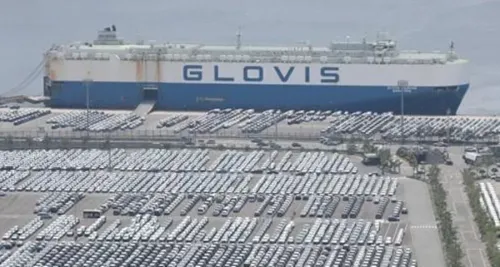
South Korea exported just $168.77 million worth of cars to China in the first ten months of the year, a decline of 34.9% from the same period a year earlier. Meanwhile, imports of Chinese-made vehicles surged 79.2% year-on-year to $4.39 billion, producing the record deficit. The widening gap reflects a structural shift: the deficit stood at only $466 million in 2022, climbed to $943 million in 2023, and reached $1.73 billion in 2024 before this year's dramatic leap.
Tesla Leads, BYD and Polestar Follow
According to data from the Korea Automobile Importers & Distributors Association (KAIDA), 98,313 Tesla EVs were sold in South Korea in the January–October period, up 105% from the same stretch a year earlier. China's BYD sold more than 20,000 vehicles in the country over the same period, and Polestar has also been marketing China-assembled EVs in the market. The cumulative effect of these imports helped China overtake Germany as South Korea's largest source of car imports in the first half of the year — a milestone shift in the country's import hierarchy.
Tesla's FSD Bid Runs Into Regulatory Wall
South Korea's transport authorities have dealt a fresh setback to Tesla even as its sales hit record highs. The Ministry of Land, Infrastructure and Transport said the Korea Transportation Safety Authority notified Tesla Korea that its application for an exemption from local vehicle safety standards — filed to enable its Full Self-Driving (FSD) feature — lacked sufficient documentation for a technical review. Tesla Korea submitted the exemption application via email on 22 October, but the filing reportedly included only two pages of technical documentation alongside three pages of cover sheets drawn from Dutch approval documents.
The ministry said it cannot proceed with the review until adequate supplementary documentation is provided. The ruling is a potential setback for Tesla, currently South Korea's bestselling imported car brand, in its bid to expand the supervised FSD service beyond the limits of existing national safety standards.
What This Means for South Korea's Auto Industry
The scale of the trade imbalance underlines a deepening vulnerability in South Korea's automotive sector. Domestic brands have long dominated the home market, but the rapid uptake of China-assembled EVs — particularly models from US and Chinese marques built at cost-efficient Chinese plants — is reshaping the import landscape. Critics argue that unless local EV competitiveness improves, the deficit could widen further as more brands source production from China. The FSD regulatory standoff also signals that Seoul is not ready to fast-track autonomous-driving approvals without rigorous documentation, regardless of a brand's market dominance.
Industry watchers will closely monitor whether Tesla refiles with complete technical documents, and whether the record deficit prompts a broader policy debate over EV import rules heading into 2027.
Point of View
And that posture will be tested far more sharply as autonomous-driving rollouts accelerate globally.
NationPress
22 Nov 2026
Frequently Asked Questions
Why did South Korea's car trade deficit with China hit a record in 2026?
South Korea's car trade deficit with China reached a record $4.23 billion in January–October 2026 primarily because imports of China-made vehicles surged 79.2% on the year to $4.39 billion, driven by strong demand for Tesla EVs produced at the Shanghai Gigafactory. At the same time, South Korean car exports to China fell 34.9%, widening the gap further.
How many Tesla EVs were sold in South Korea in 2026?
According to data from the Korea Automobile Importers & Distributors Association (KAIDA), 98,313 Tesla EVs were sold in South Korea between January and October 2026, a 105% increase from the same period a year earlier. All of these vehicles were manufactured at Tesla's Gigafactory in Shanghai.
Why did South Korea reject Tesla's FSD exemption application?
South Korea's Ministry of Land, Infrastructure and Transport said the Korea Transportation Safety Authority could not proceed with a technical review because Tesla Korea's application, submitted on 22 October, contained only two pages of technical documentation and three pages of Dutch approval cover sheets — deemed insufficient for regulatory assessment. Tesla Korea will need to submit supplementary documentation before the review can resume.
Which Chinese brands are selling cars in South Korea?
BYD sold more than 20,000 vehicles in South Korea between January and October 2026, while Polestar has also been marketing China-assembled EVs in the country. Together with Tesla's Shanghai-built models, these brands helped China overtake Germany as South Korea's largest source of car imports.
How has South Korea's car trade deficit with China grown over recent years?
South Korea has recorded a car trade deficit with China every year since 2017. The gap was $466 million in 2022, grew to $943 million in 2023, widened to $1.73 billion in 2024, and has now reached a record $4.23 billion in just the first ten months of 2026.