South Korea's CAS500-2 satellite reaches orbit on SpaceX Falcon 9 launch
Synopsis
South Korea's CAS500-2 Earth-observation satellite — originally slated for a Russian Soyuz launch in 2022 before Ukraine war disruptions forced a rethink — has finally reached low-Earth orbit aboard a SpaceX Falcon 9. With homegrown components and 0.5-metre resolution imaging, it signals Seoul's sharpest push yet toward space self-reliance.
Key Takeaways
CAS500-2 successfully entered low-Earth orbit on 3 May 2025 after launching from Vandenberg Space Force Base , California.
A SpaceX Falcon 9 rocket carried the 534-kilogram satellite, which separated from the vehicle about one hour after liftoff.
First communication was established with a ground station in Norway within 15 minutes of separation.
The satellite offers ground resolution of 0.5 metres (black-and-white) and 2 metres (colour) for disaster monitoring and agricultural observation.
The launch was originally planned for a Russian Soyuz rocket in 2022 but was delayed due to Russia's invasion of Ukraine .
CAS500-2 will begin joint operations with CAS500-1 in the second half of 2025 after a four-month initial operations phase.
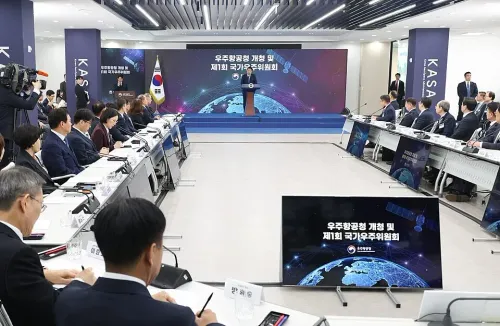
South Korea's Compact Advanced Satellite (CAS500-2) has successfully entered low-Earth orbit following its launch aboard a SpaceX Falcon 9 rocket from Vandenberg Space Force Base in Santa Barbara County, California, the Korea AeroSpace Administration (KASA) confirmed on Sunday, 3 May 2025. The milestone is expected to significantly strengthen Seoul's independent satellite development capabilities and marks a key step toward a privately-led space era for South Korea.
Launch and Orbital Insertion
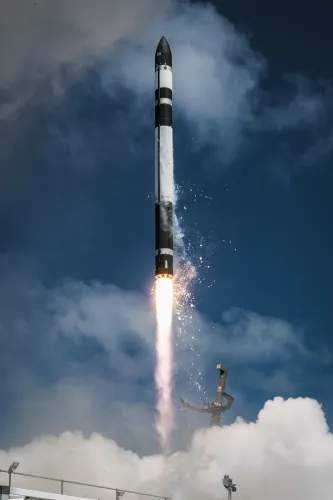
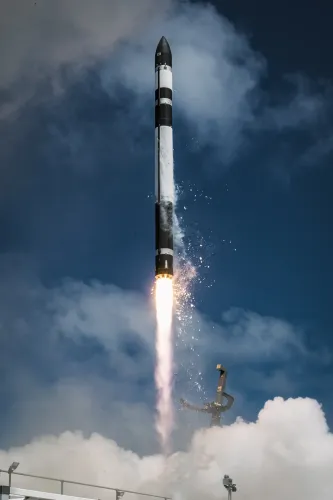
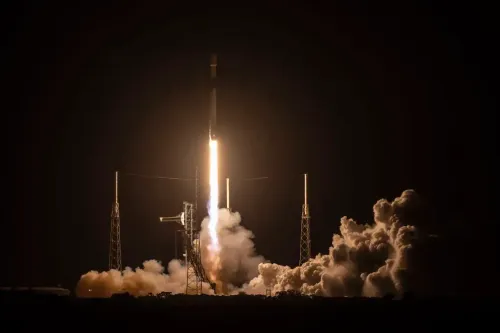
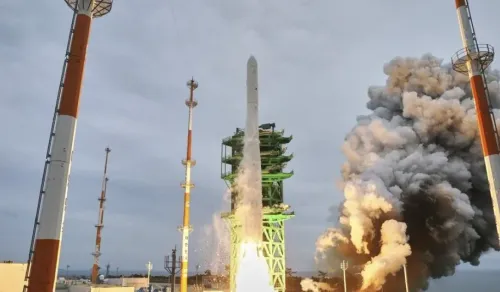
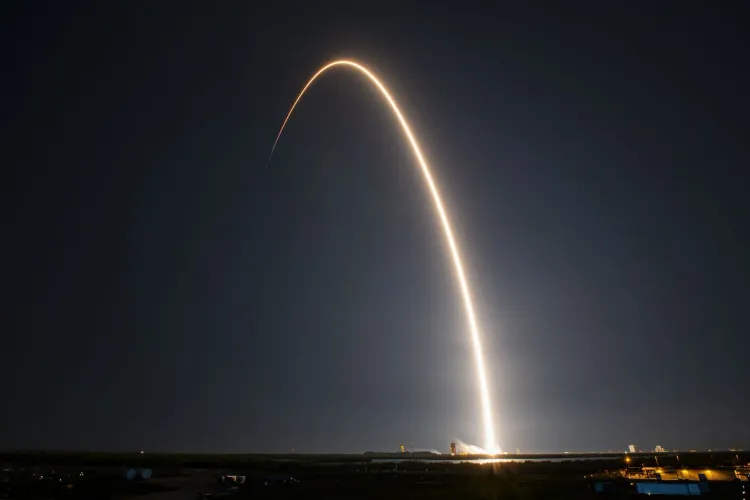
The Falcon 9 rocket lifted off at 12 a.m. Saturday (U.S. time) from Vandenberg Space Force Base. The 534-kilogram satellite separated from the launch vehicle approximately one hour after liftoff and was confirmed to have successfully entered orbit, according to KASA, citing a report from Yonhap news agency.
Roughly 15 minutes after separation, CAS500-2 established its first communication link with a ground station in Norway. KASA confirmed the satellite was functioning normally following the initial contact.
What the Satellite Is Designed to Do
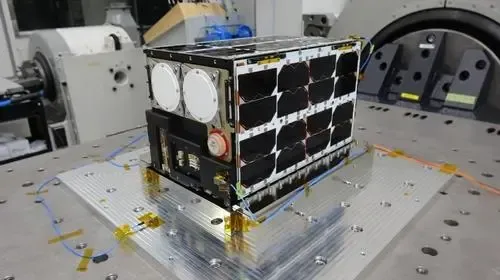
CAS500-2 was developed primarily for disaster monitoring and agricultural observation. It is equipped with high-resolution Earth-imaging capabilities, offering a ground resolution of 0.5 metres in black-and-white and 2 metres in colour — enabling precise surface-level imagery for a range of civilian and scientific applications.
Following a four-month initial operation period, CAS500-2 will begin joint operations alongside its predecessor, CAS500-1, in the second half of 2025. Together, the two satellites are expected to provide expanded Earth-observation coverage.
A Launch Long Delayed by Geopolitics
Notably, CAS500-2 had originally been scheduled to launch aboard a Russian Soyuz rocket in 2022, but the deployment was indefinitely delayed following Russia's invasion of Ukraine. The pivot to a SpaceX launch vehicle reflects a broader realignment in global space partnerships following the conflict — and underscores how geopolitical disruptions have reshaped even civilian satellite programmes.
This is not an isolated case; several international satellite operators were forced to seek alternative launch providers after Soyuz services became inaccessible to Western-aligned nations post-2022.
Homegrown Technology and Strategic Significance
KASA emphasised that key components of both the CAS500-2 platform and its payload were developed using indigenous South Korean technology, a point it described as central to the mission's strategic value.
KASA Administrator Oh Tae-seog called the launch
Point of View
South Korea was forced to pivot after Ukraine — and it has emerged stronger for it, now flying on SpaceX with domestically developed components. The deeper story is Seoul's deliberate strategy to reduce single-point dependencies in its space programme, mirroring what India did with ISRO after decades of technology denial. Whether South Korea can translate this momentum into a credible commercial launch capability of its own — rather than remaining a payload customer — will define the next chapter of its space ambitions.
NationPress
19 Sept 2026
Frequently Asked Questions
What is the CAS500-2 satellite and what is it used for?
CAS500-2, or Compact Advanced Satellite 500-2, is a 534-kilogram South Korean Earth-observation satellite developed for disaster monitoring and agricultural observation. It features high-resolution imaging with a ground resolution of 0.5 metres in black-and-white and 2 metres in colour.
When and where was CAS500-2 launched?
CAS500-2 was launched at 12 a.m. Saturday (U.S. time) from Vandenberg Space Force Base in Santa Barbara County, California, aboard a SpaceX Falcon 9 rocket. KASA confirmed successful orbital insertion on 3 May 2025.
Why was the CAS500-2 launch delayed from its original schedule?
The satellite was originally scheduled to launch on a Russian Soyuz rocket in 2022, but the deployment was delayed following Russia's invasion of Ukraine, which disrupted access to Soyuz launch services for many international operators.
What makes CAS500-2 significant for South Korea's space programme?
KASA highlighted that key components of the CAS500-2 platform and payload were developed using indigenous South Korean technology, strengthening the country's space technology independence. KASA Administrator Oh Tae-seog described the launch as a major milestone in opening South Korea's private-led space era.
When will CAS500-2 begin full operations?
After a four-month initial operation period, CAS500-2 will begin joint mission operations alongside CAS500-1 in the second half of 2025, expanding South Korea's Earth-observation coverage.