South Korea's Debt-to-GDP Forecast: Approaching 60% by 2030

Synopsis
South Korea's national debt is set to grow significantly, projected to reach 60% of GDP by 2030. Analysts anticipate that this increase will be driven by slowing economic growth and rising fiscal challenges, raising concerns about the country's financial stability.
Key Takeaways
Projected Debt-to-GDP Ratio: Expected to reach 60% by 2030.
Current Ratio: Stood at 49% last year.
Growth Rate Forecast: OECD predicts 1.7% growth for this year.
Fiscal Management Plan: Debt-to-GDP ratio to rise significantly in coming years.
Economic Vulnerability: High reliance on Middle Eastern energy imports poses risks.
Seoul, April 12 (NationPress) Recent government statistics indicate that South Korea's national debt is on track to reach 60 percent of its gross domestic product (GDP) by 2030. This uptick is anticipated to quicken due to sluggish economic growth and mounting fiscal pressures. As per the finance ministry's national settlement report, the nation's debt-to-GDP ratio was 49 percent last year, marking an increase of 3 percentage points from the previous year, as reported by Yonhap news agency.
This surge represents the most significant annual rise in five years, following a 5.7 percentage-point increase in 2020, a year deeply impacted by the COVID-19 pandemic.
According to the fiscal management plan presented by the finance ministry to the parliament in September, projections suggest the debt-to-GDP ratio will escalate from 51.6 percent in 2026 to 53.8 percent in 2027, 56.2 percent in 2028, and 58 percent in 2029.
However, industry analysts warn that the increase could be even more pronounced if GDP growth falters this year or if fiscal challenges worsen.
Prominent economic institutions have downgraded their growth predictions for South Korea this year, largely due to ongoing conflicts in the Middle East.
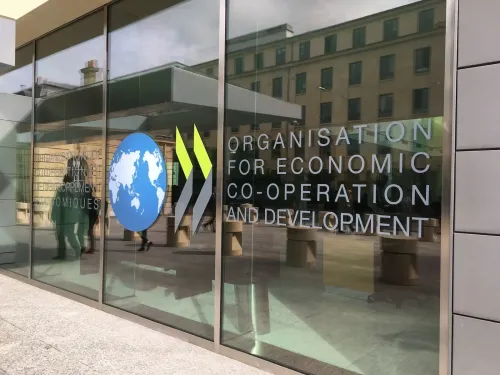
The Organization for Economic Cooperation and Development (OECD) forecasts that the nation's economy will grow by 1.7 percent this year, a reduction of 0.4 percentage points from an earlier estimate of 2.1 percent made in December.
In its findings, the OECD emphasized that both South Korea and Japan heavily rely on energy imports from the Middle East, cautioning that potential supply disruptions due to regional conflicts could adversely affect production.
Market analysts also highlight that government predictions regarding the debt-to-GDP ratio have frequently been revised in recent years.
For instance, in 2024, the government anticipated the ratio would hit 50.5 percent by 2028, but this figure was later adjusted upward by 5.7 percentage points to 56.2 percent.
The debt-to-GDP ratio is a critical measure of a country's fiscal wellbeing; a lower ratio typically affords governments greater latitude in expanding expenditures.
Point of View
The rising debt-to-GDP ratio in South Korea is a cause for concern among economic analysts. While the government has made projections, the reality of economic conditions may lead to further revisions. It is crucial for policymakers to address these fiscal challenges effectively to maintain economic stability.
NationPress
19 Sept 2026
Frequently Asked Questions
What is the current debt-to-GDP ratio of South Korea?
As of last year, South Korea's debt-to-GDP ratio stands at 49 percent.
Why is the debt-to-GDP ratio expected to rise?
The increase is attributed to slowing economic growth and escalating fiscal pressures.
What does a high debt-to-GDP ratio indicate?
A higher debt-to-GDP ratio can signal potential fiscal instability and limits on government spending.
What organization has revised South Korea's economic growth forecast?
The Organization for Economic Cooperation and Development (OECD) has revised its growth forecast for South Korea.
How does South Korea's reliance on imports affect its economy?
South Korea's dependence on energy imports from the Middle East makes its economy vulnerable to supply disruptions due to regional conflicts.