SEBI to review short-selling framework, introduce AI guidelines and bond derivatives

Synopsis
SEBI is running one of its most ambitious reform cycles in years — simultaneously overhauling short-selling rules, co-developing bond derivatives with RBI, exploring corporate bond tokenisation, and drafting AI guidelines. Chairman Tuhin Kanta Pandey's 12 June address signals a regulator trying to close the gap between India's market ambitions and its structural depth.
Key Takeaways
SEBI Chairman Tuhin Kanta Pandey on 12 June outlined a multi-track capital market deepening agenda in Mumbai .
A comprehensive review of the short-selling and SLB framework is underway to improve cash-derivatives market linkage.
SEBI and RBI are jointly working on derivatives linked to bond indices to expand fixed-income hedging options.
Formal AI guidelines for responsible use in capital markets are being drafted by the regulator.
The Innovators Growth Platform is being reviewed to ease fundraising for companies in AI , semiconductors, clean energy, and defence technology.
Corporate bond tokenisation and a market-making framework for corporate bonds are under active exploration.
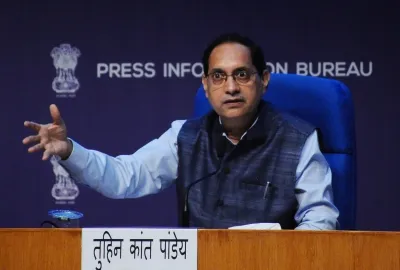
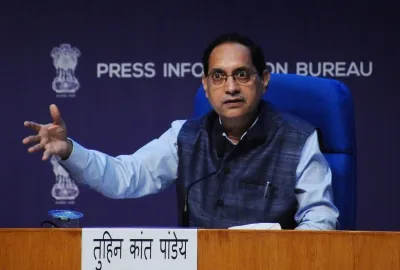
Securities and Exchange Board of India (SEBI) Chairman Tuhin Kanta Pandey on Friday, 12 June laid out a wide-ranging agenda to deepen India's capital markets, covering a comprehensive overhaul of the short-selling and securities lending and borrowing (SLB) framework, the launch of bond index derivatives, and formal guidelines for the responsible use of artificial intelligence (AI) in financial markets. Speaking at an industry event in Mumbai, Pandey said the regulator is squarely focused on reducing market frictions, broadening participation, and supporting sustainable growth against a backdrop of global uncertainty.
Short-Selling and SLB Framework Under Review
SEBI is undertaking a comprehensive review of the SLB and short-selling framework with the stated objective of improving the linkage between cash and derivatives markets while enhancing overall market liquidity. The move signals a structural rethink of how securities are lent and borrowed in India — a segment that has historically lagged peer markets in depth and utilisation. Analysts have long argued that a more efficient SLB mechanism is a prerequisite for a well-functioning derivatives market, making this review potentially consequential for institutional participants.
Bond Derivatives and Equity Options Expansion
SEBI is working jointly with the Reserve Bank of India (RBI) to introduce derivatives linked to bond indices, a step aimed at widening investment and hedging avenues in the fixed-income segment. The collaboration with RBI is notable given that bond market regulation straddles both authorities. In the equity derivatives space, the regulator is separately examining the feasibility of introducing longer-tenure futures and options contracts, which could attract a broader class of institutional hedgers and structured-product issuers.
Commodity Derivatives and Debt Market Reforms
For commodity derivatives, SEBI is considering extending early pay-in benefits to options contracts, a gradual shift towards physical settlement in select agricultural commodities, and a review of existing position limits. On the debt market front, the regulator is developing a market-making framework for corporate bonds and measures to deepen the municipal bond market. SEBI is also exploring the tokenisation of corporate bonds as part of a broader push to modernise market infrastructure — a move that would place India among a small group of markets experimenting with blockchain-based fixed-income instruments.
AI Guidelines, Innovators Platform and Foreign Access
SEBI plans to issue guidelines governing the responsible use of AI in capital markets, reflecting growing regulatory concern globally about algorithmic decision-making and model risk. The regulator is also reviewing the Innovators Growth Platform to improve fundraising for companies in strategic sectors including AI, semiconductors, clean energy, biotechnology, advanced materials, and defence technology. On foreign investment, Pandey said SEBI will simplify market access by easing know-your-customer (KYC) requirements, adopting a risk-based approach to disclosure norms, and coordinating with other authorities to streamline KYC procedures for non-resident Indians (NRIs).
Governance and Disclosure Standards
SEBI is also examining changes to the delisting framework and the Listing Obligations and Disclosure Requirements (LODR) regulations to ensure governance and disclosure standards keep pace with evolving market needs. Regulations governing municipal debt securities and portfolio management services are concurrently under review. With multiple reform tracks running in parallel, the regulator's agenda signals one of its most active policy cycles in recent years — and markets will be watching closely for draft circulars in the months ahead.
Point of View
Including SLB reform and municipal bond market development, have appeared on previous regulatory agendas without decisive follow-through. The joint SEBI-RBI work on bond index derivatives is genuinely new and potentially transformative, but the two regulators have historically moved at different speeds. The AI guidelines announcement is timely given global regulatory momentum, yet the devil will be in whether SEBI opts for principles-based rules or prescriptive compliance checklists — the former encourages innovation, the latter stifles it. India's capital market depth remains a structural constraint on institutional participation; whether this agenda delivers or joins the list of well-intentioned circulars that did not shift the needle will depend on implementation timelines and regulatory bandwidth.
NationPress
29 Jul 2026
Frequently Asked Questions
What did SEBI announce regarding short-selling on 12 June 2025?
SEBI announced a comprehensive review of the short-selling and securities lending and borrowing (SLB) framework on 12 June, with the goal of improving linkage between cash and derivatives markets and enhancing overall market liquidity. The review is part of a broader agenda to reduce market frictions outlined by Chairman Tuhin Kanta Pandey.
What are SEBI's plans for AI guidelines in capital markets?
SEBI plans to issue formal guidelines governing the responsible use of artificial intelligence in capital markets. The move reflects growing regulatory concern about algorithmic decision-making and model risk, and is part of the regulator's broader market modernisation agenda announced on 12 June.
Why is SEBI working with RBI on bond index derivatives?
SEBI is collaborating with the Reserve Bank of India to introduce derivatives linked to bond indices in order to expand investment and hedging opportunities in India's fixed-income segment. The joint effort is significant because bond market regulation in India is shared between the two authorities.
What is the Innovators Growth Platform and why is SEBI reviewing it?
The Innovators Growth Platform is a SEBI-regulated exchange segment designed to help emerging companies raise capital. SEBI is reviewing it to improve fundraising opportunities for firms in strategic sectors such as AI, semiconductors, clean energy, biotechnology, advanced materials, and defence technology.
What changes is SEBI considering for foreign investors and NRIs?
SEBI plans to simplify market access for foreign investors by easing KYC requirements and adopting a risk-based approach to disclosure norms. The regulator will also coordinate with other authorities to streamline KYC procedures specifically for non-resident Indians (NRIs).