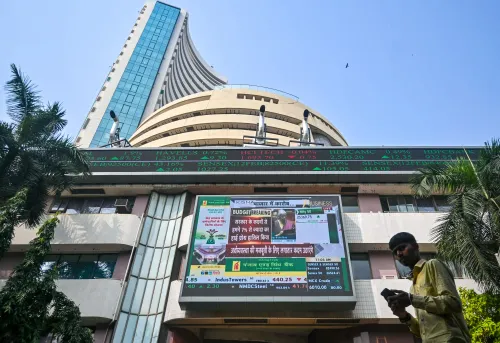
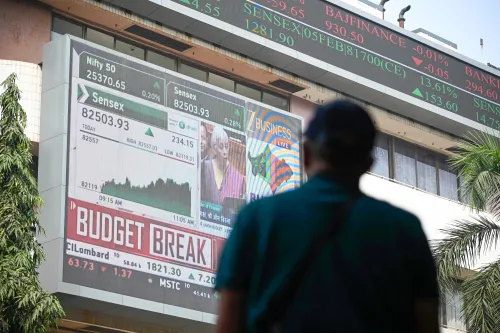
Why Did Sensex and Nifty Drop by 1.25%?
Synopsis
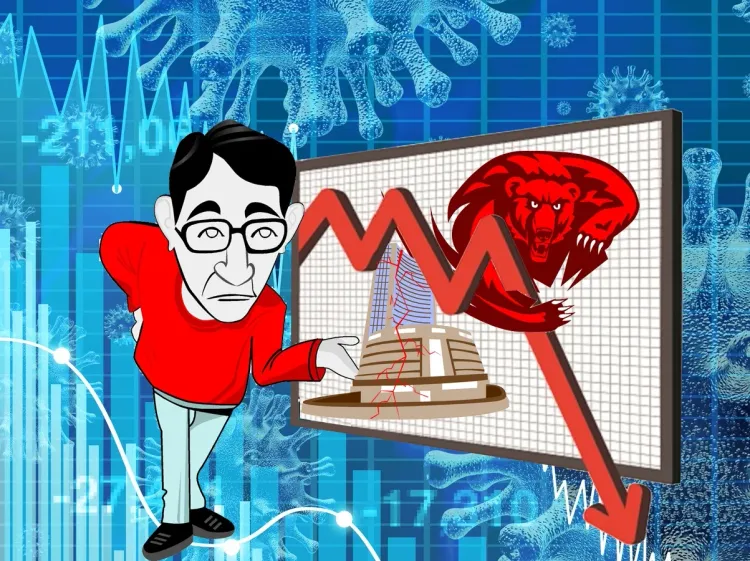
In a tumultuous trading session, the Indian equity markets faced a significant downturn, with both Sensex and Nifty experiencing notable declines. As global concerns around AI disruptions loom, investors are left grappling with a cautious sentiment. Explore the implications of these shifts in the financial landscape.
Key Takeaways
Sensex fell by 1,048 points .
Nifty declined by 336 points .
Global concerns over AI disruptions affected market sentiment.
All sectoral indices ended in the red.
The Nifty metal sector was the biggest loser.
Mumbai, Feb 13 (NationPress) The Indian equity markets closed significantly lower on Friday, marking a continuation of losses for the second consecutive trading session.
By the end of the trading day, the Sensex plummeted by 1,048 points, translating to a 1.25 percent decline, concluding at 82,626. Meanwhile, the Nifty fell by 336 points, which is a 1.30 percent drop, finishing at 25,471.
This steep downturn was primarily fueled by growing global apprehensions regarding AI-induced disruptions to India’s outsourcing framework.
The broader market mirrored the benchmark indices, with the Nifty Midcap 100 index falling by 1.71 percent, and the NSE Smallcap 100 index declining by 1.79 percent.
All sectoral indices reported losses. The Nifty metal sector was the hardest hit, decreasing by 3.31 percent, followed by the Nifty realty sector, which dropped 2.23 percent.
The Nifty NEXT 50 also experienced considerable selling pressure, tumbling by 1.56 percent. Despite a decline of over 4 percent, the Nifty IT index managed to recover over 1,000 points from its day’s low, ultimately closing down 1.44 percent. The Nifty FMCG sector also declined by 1.90 percent.
Banking and midcap stocks came under similar pressure. The market breadth remained firmly negative, with 44 of the 50 Nifty constituents closing in the red.
The Indian Rupee traded slightly weaker, down by Rs 0.06 at 90.61 against the dollar, while the dollar index remained stable around 97, keeping overall market momentum within a tight range, according to market participants.
Analysts indicated that defensive sectors displayed relative strength but could not counteract the widespread selling pressure, signaling a cautious and risk-averse sentiment among investors.
The Nifty opened significantly lower and fell below its key moving averages, which are positioned at 25,480, 25,770, and 25,690 for the 21-, 50-, and 100-day averages, respectively. On the downside, the index is attempting to address the gap from the previous week.
"The Bank Nifty has slipped below a short-term consolidation zone, suggesting minor profit-taking following its recent upward movement. However, the index continues to remain above its 20-day moving average, which is around 59,700, representing an essential short-term support level," stated Vatsal Bhuva, a technical analyst at LKP Securities.
Point of View
The recent declines in the Indian stock market highlight the vulnerabilities in our economic landscape, particularly concerning global technological shifts. As we navigate these turbulent waters, it’s crucial for investors to remain informed and agile in their decision-making processes.
NationPress
9 Oct 2026
Frequently Asked Questions
What caused the decline in Indian equity markets?
The decline was primarily driven by escalating global concerns regarding AI disruptions impacting India's outsourcing model.
How did the Sensex and Nifty perform today?
The Sensex dropped by 1,048 points, or 1.25 percent, while the Nifty fell by 336 points, or 1.30 percent.
Which sectors were most affected?
The Nifty metal sector saw the largest loss, down 3.31 percent, followed by the Nifty realty sector, which decreased by 2.23 percent.
What is the market sentiment currently?
The market sentiment is cautious and risk-averse, as evidenced by the widespread selling pressure across various sectors.
What should investors consider moving forward?
Investors should stay informed about market trends and consider the long-term implications of current economic shifts, particularly regarding technology.