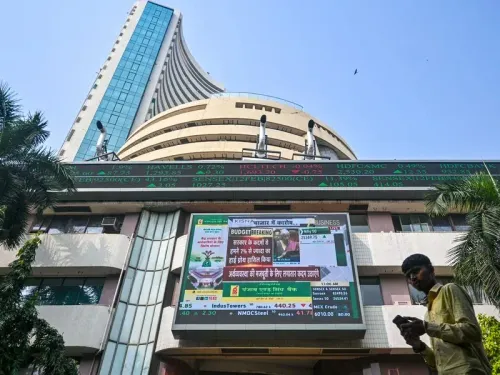
Sensex opens 322 points lower on geopolitical tensions, weak monsoon fears
Synopsis
Indian equities opened sharply lower on 2 June as three headwinds converged: geopolitical tensions keeping crude elevated, and the IMD's forecast of the weakest monsoon in 11 years at just 90 per cent of the long-term average. With agriculture, inflation, and rural demand all potentially at risk, this is more than a routine risk-off session.
Key Takeaways
Sensex opened 322 points lower at 73,945.20 on 2 June ; Nifty50 fell 153.45 points to 23,229.15 .
Nifty Auto , Nifty Realty , and Nifty Chemicals each dropped nearly 1 per cent ; Nifty IT surged nearly 2 per cent .
IMD forecast monsoon at 90 per cent of long-term average — the weakest projection in 11 years .
Brent crude at $94.34/barrel ; WTI at $91.46/barrel , with West Asia conflict keeping prices elevated.
India VIX declined more than 2 per cent to 16 , signalling caution without panic.
Top Nifty losers include Bajaj Finance , Apollo Hospitals , NTPC , and SBI Life .
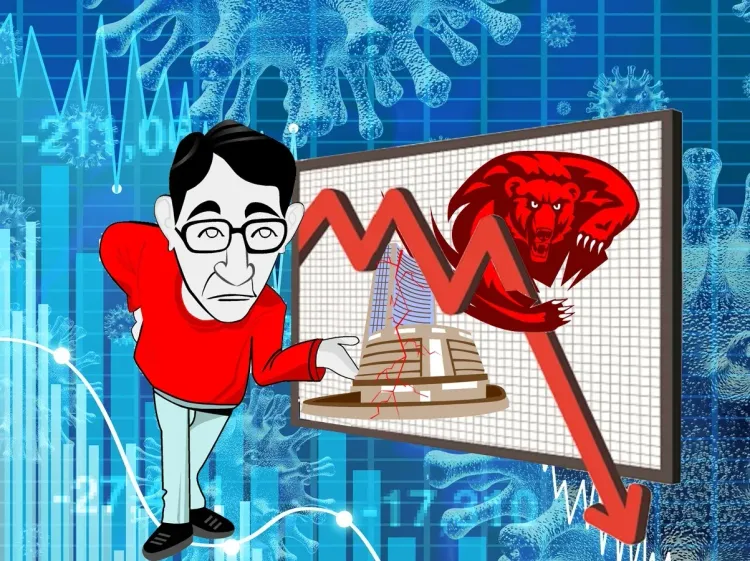
Sensex opened 322 points lower at 73,945.20 on Tuesday, 2 June, dragged by geopolitical tensions, elevated crude oil prices, and a deteriorating monsoon outlook that collectively rattled investor sentiment at the start of the session. The Nifty50 also slipped, opening at 23,229.15, down 153.45 points or 0.65 per cent.
Sectoral Snapshot
The selling was broad-based across cyclicals. Nifty Auto, Nifty Realty, and Nifty Chemicals each fell nearly 1 per cent, while private banks, PSU banks, cement, and media indices also came under pressure. The lone bright spot was technology: Nifty IT surged nearly 2 per cent, bucking the market-wide trend.
Among individual stocks, Bajaj Finance, Bajaj Finserv, Eternal, Apollo Hospitals, Shriram Finance, Max Healthcare, Power Grid, NTPC, Trent, and SBI Life featured among the top losers from the Nifty pack. The volatility gauge, India VIX, declined more than 2 per cent to 16, suggesting that while markets fell, panic had not yet set in.
Monsoon Alarm: Weakest in 11 Years
The India Meteorological Department (IMD) has forecast monsoon rains at 90 per cent of the long-term average — the weakest projection in 11 years — raising serious concerns about the agriculture sector and its downstream impact on rural demand, food inflation, and GDP growth. Analysts noted that this adds a fresh domestic headwind on top of existing global pressures. 'And now we have the additional threat of the IMD's latest projection of monsoon rains at 90 per cent of the long-term average, which could have negative implications for growth and inflation,' analysts said.
Global Cues: Crude, West Asia, and Mixed Asia
On the commodities front, international benchmark Brent crude slipped 0.67 per cent to $94.34 per barrel, while US West Texas Intermediate (WTI) declined 0.75 per cent to $91.46. Analysts noted that a resolution of the West Asia conflict and a consequent decline in crude prices would be a significant positive, but expectations on that front have repeatedly been disappointed.
Asian markets presented a mixed picture. Japan's Nikkei traded over 2 per cent lower and South Korea's KOSPI slipped nearly 3 per cent, while Hong Kong's Hang Seng bucked the trend, trading about 1 per cent higher. Overnight on Wall Street, sentiment was mildly positive: the S&P 500 gained 0.42 per cent and the Nasdaq closed 0.26 per cent higher, offering limited support to Indian equities.
What Analysts Recommend
Market analysts advised investors to stick to fundamentals, maintain proper asset allocation aligned with individual risk appetite and financial goals, and remain patient through the current volatility. The confluence of geopolitical uncertainty, crude price pressure, and the weakest monsoon forecast in over a decade means near-term headwinds are unlikely to ease quickly. How the monsoon actually develops over the coming weeks will be a critical variable for both markets and policymakers.
Point of View
And now a domestic monsoon deficit that threatens both food inflation and rural consumption — two variables the Reserve Bank of India cannot ignore. The IMD's 90 per cent forecast is not a catastrophe on its own, but combined with elevated input costs and already-stretched valuations in mid-caps, it narrows the margin for error considerably. The IT sector's outperformance is a reminder that India's market is bifurcating: export-oriented tech is insulated from domestic weather risk, while rate-sensitive and consumption-linked sectors are not. Investors and policymakers alike will need to watch the monsoon's actual progression closely — a further deterioration could force a rethink on rate cuts and the fiscal math for farm support.
NationPress
22 Sept 2026
Frequently Asked Questions
Why did the Sensex fall on 2 June?
The Sensex opened 322 points lower at 73,945.20 on 2 June due to a combination of ongoing geopolitical tensions, elevated crude oil prices, and a weak monsoon forecast from the IMD. Analysts noted these three headwinds together dampened investor sentiment across most sectoral indices.
What is the IMD's monsoon forecast and why does it matter?
The India Meteorological Department has projected monsoon rains at 90 per cent of the long-term average, the weakest forecast in 11 years. A below-normal monsoon raises risks for agricultural output, food inflation, and rural demand, all of which feed into broader GDP growth and RBI's rate decisions.
Which sectors fell and which gained on 2 June?
Nifty Auto, Nifty Realty, and Nifty Chemicals each fell nearly 1 per cent, while private banks, PSU banks, cement, and media indices were also under pressure. Nifty IT was the standout gainer, surging nearly 2 per cent, insulated from domestic macro concerns by its US-revenue exposure.
Where do crude oil prices stand and what is the West Asia impact?
Brent crude was at $94.34 per barrel and WTI at $91.46 per barrel on Tuesday. Analysts said a resolution of the West Asia conflict could significantly reduce crude prices and boost sentiment, but expectations of such a resolution have repeatedly been disappointed.
What should investors do amid this volatility?
Analysts recommend sticking to fundamentals, maintaining asset allocation aligned with personal risk appetite and financial goals, and remaining patient. They caution against reactive decisions given that multiple global and domestic uncertainties are unlikely to resolve quickly.