Seoul KOSPI briefly tops 6,712 on tech rally ahead of M7 earnings
Synopsis
South Korea's KOSPI briefly hit 6,712.73 on Tuesday — its second-largest monthly gain since 1988 — bouncing back from a brutal March crash tied to the US-Iran war. With Intel's AI earnings surprise fuelling semiconductor confidence and M7 results on the horizon, the rally's staying power now hinges on whether Big Tech can deliver.
Key Takeaways
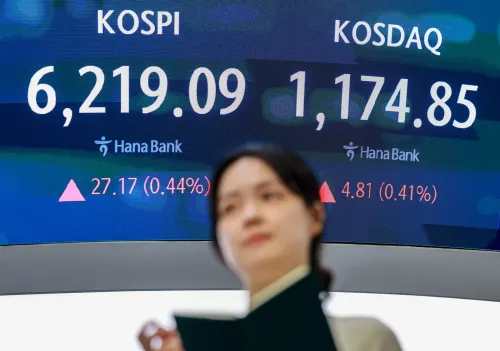
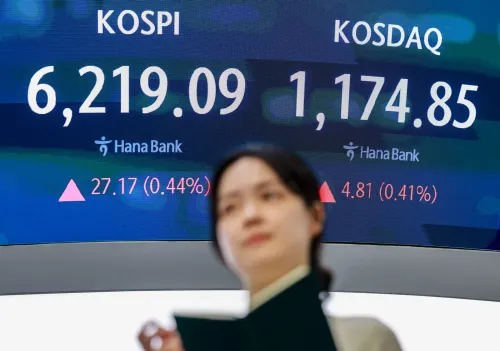
The KOSPI hit an intraday high of 6,712.73 points on 28 April , briefly crossing the 6,700 mark.
The benchmark has surged approximately 31 percent in April — the second-largest monthly gain since February 1988 .
The rally follows a March crash of over 19 percent , triggered by the outbreak of the US-Iran war .
Intel's data centre and AI revenue grew 22 percent year-on-year in Q1, boosting South Korean semiconductor stocks.
The VKOSPI fear index is above 50 points , signalling potential daily swings of over 3 percent ahead.
First-quarter earnings from Apple , Microsoft , and Meta are the next key catalyst for the index.
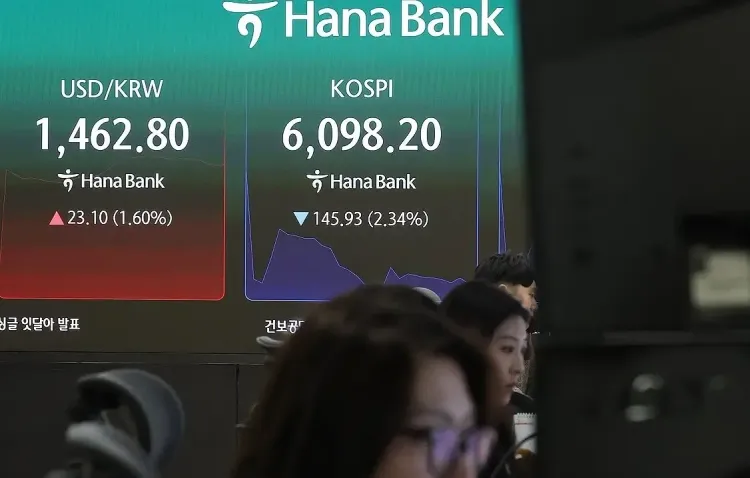
The Korea Composite Stock Price Index (KOSPI) briefly surged past the 6,700-point mark on Tuesday, 28 April, hitting an intraday high of 6,712.73 points during the morning session, driven by large-cap technology shares ahead of first-quarter earnings releases from major US tech companies. The milestone, reported by Yonhap news agency, underscores a remarkable recovery for South Korean equities following one of their most turbulent periods in recent memory.
The Rally in Context
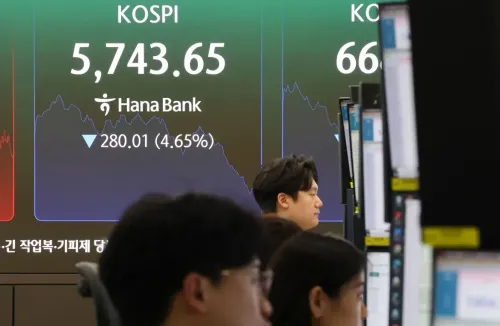
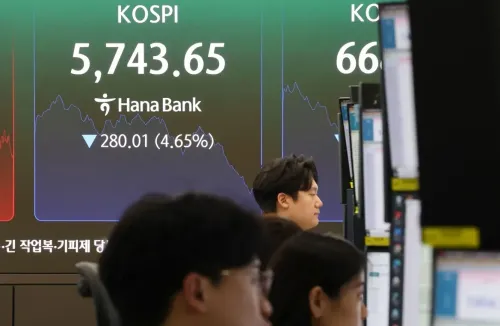
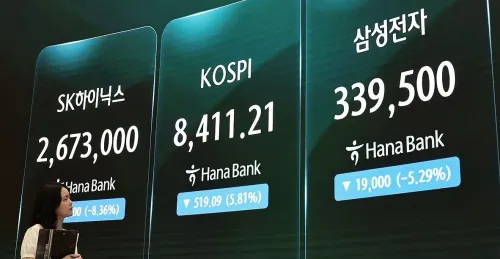
The benchmark index has surged approximately 31 percent in April alone, marking the second-largest monthly gain since February 1988. The recovery follows a severe rout triggered by the outbreak of the US-Iran war in late February, during which the KOSPI plunged more than 12 percent in a single trading session amid fears over the conflict's impact on South Korea's oil-dependent economy. For the month of March, the index had fallen over 19 percent, making it one of the worst-performing stock benchmarks globally during that period.
From 5,000 to 6,700: A Rapid Ascent
The KOSPI had crossed the 5,000-point milestone in late January and the 6,000-point mark in February, before erasing most of those gains in March following the war's outbreak. The subsequent recovery has been swift and broad-based, anchored by renewed optimism around the global artificial intelligence (AI) boom and easing tensions in the Middle East.
Intel Earnings Boost Semiconductor Confidence
A key catalyst for the latest leg of the rally was an earnings surprise from Intel, the US chipmaker, whose revenue for its data centre and AI business grew 22 percent year-on-year in the first quarter, outpacing market expectations. Lee Kyoung-min, an analyst at Daishin Securities, said the result provided tailwinds to South Korea's local semiconductor sector and reaffirmed market confidence in the AI investment thesis.
Volatility Risk Remains Elevated
Despite the record-breaking momentum, analysts caution that the path ahead may not be smooth. Han Ji-young, an analyst at Kiwoom Securities, flagged that the VKOSPI — a so-called "fear index" measuring expected volatility of the KOSPI200 over the next 30 days — is at a relatively high level of over 50 points. "This implies that it may not be unusual for the KOSPI to show daily fluctuations of over 3 percent, as it continues to break records," Han said. The next major test for the index will be first-quarter earnings from the Magnificent 7 (M7) companies, including Apple, Microsoft, and Meta, whose results are expected to set the tone for global tech sentiment in the near term.
Point of View
Heavily dependent on semiconductor export cycles, can sustain these levels if M7 earnings disappoint or Middle East tensions flare again. The VKOSPI above 50 is a warning sign that institutional participants are not fully convinced this rally has legs. Investors chasing the index at 6,700 are effectively betting on a soft landing for both the US-Iran conflict and Big Tech's AI spending cycle — two variables with significant uncertainty.
NationPress
19 Sept 2026
Frequently Asked Questions
Why did Seoul's KOSPI rise above 6,700 on 28 April?
The KOSPI hit an intraday high of 6,712.73 on 28 April, driven by large-cap technology and semiconductor stocks ahead of first-quarter earnings from major US tech companies including Apple, Microsoft, and Meta. Optimism around the AI sector and easing Middle East tensions also supported the rally.
How significant is the KOSPI's April 2025 rally?
The KOSPI has risen approximately 31 percent in April, making it the second-largest monthly gain for the index since February 1988. The surge follows a sharp March decline of over 19 percent triggered by the outbreak of the US-Iran war.
What role did Intel's earnings play in the KOSPI rally?
Intel's data centre and AI revenue grew 22 percent year-on-year in the first quarter, beating market expectations. According to Daishin Securities analyst Lee Kyoung-min, this provided tailwinds to South Korea's local semiconductor sector and reinforced confidence in the AI growth story.
What is the VKOSPI and why does it matter now?
The VKOSPI is a fear index that measures market participants' expectations for the volatility of the KOSPI200 over the next 30 days. With the index above 50 points, Kiwoom Securities analyst Han Ji-young warned that daily swings of over 3 percent could become common even as the KOSPI continues to break records.
What are the key risks to the KOSPI's current rally?
The primary risks include disappointing earnings from Magnificent 7 companies, a potential re-escalation of the US-Iran conflict, and South Korea's structural vulnerability as an oil-dependent economy. The elevated VKOSPI also signals that institutional caution remains high despite the index's record run.