South Korea FTC probes Myeong Ryun Dang over low-interest loan scheme
Synopsis
South Korea's Fair Trade Commission has opened formal deliberations against Myeong Ryun Dang — the group behind the Myeong Ryun Junsa Pork Ribs chain — for allegedly routing state-backed Korea Development Bank funds as below-market loans to 14 affiliated credit businesses, generating an estimated 21.7 billion won in improper benefits between December 2021 and April 2026.
Key Takeaways
South Korea's Fair Trade Commission (FTC) launched deliberations against Myeong Ryun Dang on 6 July over alleged misuse of state financing.
The company allegedly lent funds at 4.6% interest — sourced from Korea Development Bank policy financing — to 14 affiliated credit businesses from December 2021 to April 2026 .
Each affiliate received up to 10 billion won ($6.5 million) ; total economic benefits to the 14 firms estimated at 21.7 billion won .
FTC examiners recommended corrective orders, fines, and complaints against companies and individuals involved.
Separately, Coupang and CPLB agreed to voluntary corrective measures worth 3 billion won ($1.94 million) over unfair subcontractor dealings affecting 314 firms .
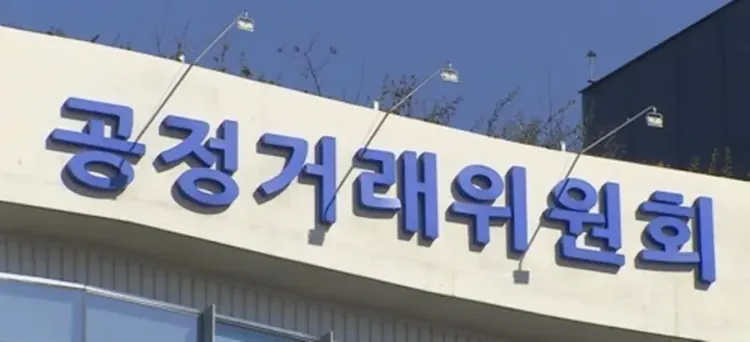
South Korea's Fair Trade Commission (FTC) announced on Monday, 6 July that it has launched a formal deliberation process against Myeong Ryun Dang, the operator of the popular Korean barbecue chain Myeong Ryun Junsa Pork Ribs, for allegedly channelling funds from state-backed financing programmes into artificially low-interest loans for its affiliated credit businesses. The case marks a significant regulatory escalation against one of South Korea's better-known restaurant conglomerates.
What the Examiners Found
According to the FTC's examiners' report, Myeong Ryun Dang extended excessive economic benefits to 14 credit businesses under its corporate umbrella over a period spanning December 2021 to April 2026. The company reportedly lent funds at a significantly below-market interest rate of 4.6 percent, using capital raised through policy financing from Korea Development Bank.
Each of the 14 affiliated credit firms received up to 10 billion won (approximately $6.5 million) from Myeong Ryun Dang, which the affiliates then on-lent to stores within the network. The FTC estimates that the cumulative economic benefit enjoyed by these companies amounted to around 21.7 billion won.
Why the Affiliates Were Vulnerable
The 14 credit businesses were newly launched entities that faced difficulty securing independent financing at market rates. Critics argue this structure effectively allowed Myeong Ryun Dang to use public policy funds — intended for broader economic development — to subsidise its own corporate ecosystem, bypassing the competitive lending market. The FTC's examiners characterised these arrangements as serious violations of South Korea's fair trade rules.
Recommended Penalties
The examiners' report has recommended a combination of corrective orders, monetary fines, and formal complaints against both the companies and the individuals involved. The deliberation process, now formally underway, will determine the final penalties — a process that can involve hearings and responses from the accused parties before a final ruling is issued.
Coupang Also in the Spotlight
Separately, the FTC approved voluntary corrective measures worth 3 billion won (approximately $1.94 million) proposed by e-commerce giant Coupang and its private-label subsidiary, Coupang Private Label Brands (CPLB), to resolve a probe into alleged unfair dealings with subcontractors. The two companies had sought a consent decree to close the matter without further legal proceedings.
Investigators found that Coupang and CPLB had provided 314 subcontractors with contracts that omitted legally required information, and had lowered supply prices for 94 subcontractors through discount promotions not stipulated in their agreements — conduct that reportedly began in 2022. The voluntary settlement signals a growing regulatory push by South Korean authorities to enforce transparency in corporate supply chains.
Together, the two cases suggest the FTC is intensifying scrutiny of conglomerates that leverage internal structures to circumvent competitive market norms — a trend that will be closely watched by South Korea's broader business community.
Frequently Asked Questions
What is the FTC investigation into Myeong Ryun Dang about?
South Korea's Fair Trade Commission has begun deliberations against Myeong Ryun Dang, operator of the Myeong Ryun Junsa Pork Ribs chain, for allegedly using funds from Korea Development Bank policy financing to offer artificially low-interest loans to 14 affiliated credit businesses between December 2021 and April 2026. The total economic benefit to those affiliates is estimated at 21.7 billion won.
How much did each affiliated company receive from Myeong Ryun Dang?
Each of the 14 affiliated credit businesses received up to 10 billion won (approximately $6.5 million) from Myeong Ryun Dang at an interest rate of 4.6 percent. These affiliates then on-lent the money to stores within the network.
What penalties could Myeong Ryun Dang face?
The FTC's examiners have recommended corrective orders, monetary fines, and formal complaints against both the companies and individuals involved. The final penalties will be determined after the formal deliberation process, which allows the accused parties to respond before a ruling is issued.
What is the separate Coupang case about?
The FTC approved voluntary corrective measures worth 3 billion won from Coupang and its subsidiary Coupang Private Label Brands (CPLB) for providing 314 subcontractors with contracts that omitted legally required information and lowering supply prices for 94 subcontractors through unagreed discount promotions since 2022. The companies sought a consent decree to resolve the matter without further legal proceedings.
Why does the Myeong Ryun Dang case matter for South Korean businesses?
The case highlights regulatory risk for corporate groups that use state-backed financing to benefit internal affiliates, bypassing competitive market norms. Combined with the Coupang settlement, it signals that South Korea's FTC is intensifying enforcement across conglomerates and large platforms alike.