ThynkTech India CEO arrested as 700+ Pune IT staff left jobless

Synopsis
A Pune IT firm's quiet collapse has turned into a criminal case. ThynkTech India's CEO Harshal Thakre is under arrest, over 700 employees are without jobs, and complaints of ₹15,000 deposits, unpaid salaries and bounced cheques are stacking up — exposing how fragile the trust layer can be inside India's mid-tier IT ecosystem.
Key Takeaways
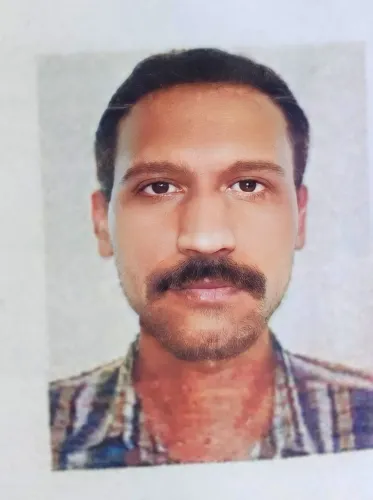
ThynkTech India CEO Harshal Thakre has been arrested by Pune police in an alleged cheating and financial irregularities case.
Over 700 employees of the Hinjewadi -based IT firm were left jobless after operations were abruptly shut in April .
The probe began with a complaint by a 25-year-old intern ; over 30 more staff and interns have since filed similar complaints.
Employees allege the firm collected ₹15,000 as security deposits for laptops and equipment, with salaries stopping from January 2024 .
The company's head of training and development and an HR manager have also been booked.
Several cheques issued against pending salaries reportedly bounced before the shutdown.
Pune police have arrested Harshal Thakre, CEO of ThynkTech India, after the IT firm allegedly shut operations abruptly in April, leaving more than 700 employees jobless and locked out of its Hinjewadi office. The arrest is part of an expanding probe into alleged financial irregularities and cheating, with affected staff reportedly struggling to recover unpaid salaries, stipends and security deposits.
How the case surfaced
The investigation was triggered by a complaint filed by a 25-year-old intern, prompting police to widen the inquiry into the company's finances and operations. Since then, more than 30 additional employees and interns have approached the police with similar allegations, including unpaid salaries, withheld stipends and refusal to return collected deposits, according to officials.
The abrupt shutdown
Employees alleged that ThynkTech India ceased operations in April without prior notice. Several staff members reportedly arrived at the Hinjewadi premises only to find the offices shut and company representatives unreachable. Salaries and stipends were initially paid on time, building confidence among the workforce, before payments allegedly stopped from January 2024, complainants said.
Deposits and bounced cheques
According to complaints cited in reports, the company allegedly collected security deposits of around ₹15,000 from workers and interns, claiming the amount was needed for official laptops and equipment. Several employees further alleged that cheques later issued against pending salaries bounced, deepening concerns about the firm's financial health in the weeks before the shutdown.
Others booked in the probe
Investigators have also booked the company's head of training and development and a human resources manager in connection with the case. Police said additional financial records and transaction details are being examined as the probe widens.
What happens next
The investigation remains ongoing, with authorities expected to trace fund flows and assess the scale of alleged misappropriation. For the affected workforce — many of them early-career professionals — the immediate concern is recovery of dues and clarity on whether any operational revival or asset attachment is on the table.
Point of View
000 as a 'laptop deposit' is a red flag that should have invited scrutiny far earlier; instead, it became normalised in parts of the Hinjewadi ecosystem. The bounced-cheque trail from January suggests the company was insolvent for months while continuing to employ and bill clients. India urgently needs a faster employee-grievance escalation channel for mid-tier IT firms — by the time the police step in, payroll is already gone.
NationPress
18 Oct 2026
Frequently Asked Questions
What happened at ThynkTech India in Pune?
More than 700 employees of Pune-based IT company ThynkTech India were left jobless after the firm allegedly shut operations abruptly in April without notice. Staff arrived at the Hinjewadi office to find it locked and company representatives unreachable.
Why was ThynkTech India CEO Harshal Thakre arrested?
Harshal Thakre was arrested as part of a police investigation into alleged financial irregularities and cheating linked to the sudden shutdown of ThynkTech India. The probe covers unpaid salaries, withheld stipends and security deposits allegedly not returned to employees.
How did the ThynkTech case come to light?
The case began with a complaint filed by a 25-year-old intern, which prompted police to launch a wider investigation. More than 30 additional employees and interns have since approached the police with similar allegations.
What were the alleged ₹15,000 deposits collected by ThynkTech?
Employees alleged that ThynkTech India collected security deposits of around ₹15,000 from workers and interns, claiming the money was needed for official laptops and equipment. Many staff say these amounts were never returned after the shutdown.
Who else has been booked in the ThynkTech investigation?
Investigators have also booked the company's head of training and development along with a human resources manager. Police said additional financial records and transaction details are still being examined.