TikTok agrees $400 million settlement in US child privacy case
Synopsis
TikTok and ByteDance have agreed to a $400 million settlement with the US DOJ over COPPA violations — one of the largest child privacy payouts in American legal history. The deal ends court oversight of TikTok's data practices, but arrives as the platform continues to navigate ownership restructuring and unresolved national security questions.
Key Takeaways
TikTok and ByteDance agreed to pay $400 million to resolve a US DOJ child privacy lawsuit.
The payout is split: $300 million upfront and $100 million contingent on vacating a prior consent decree tied to Musical.ly .
The DOJ sued in 2024 on behalf of the FTC , alleging TikTok let millions of children under 13 create accounts without parental consent.
The settlement — pending court approval — would end judicial oversight of TikTok 's privacy practices.
TikTok 's US business shifted to a majority American-owned entity in January following a 2024 Congressional divestiture mandate.
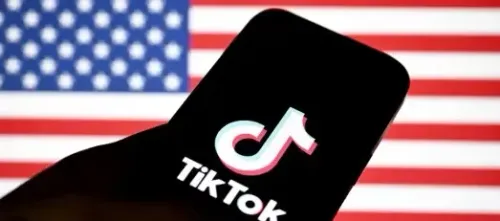
TikTok and its Beijing-based parent company ByteDance have agreed to pay $400 million to settle a US Department of Justice (DOJ) lawsuit alleging the social media platform collected personal data from children in violation of the Children's Online Privacy Protection Act (COPPA). The proposed settlement, which still requires court approval, marks one of the largest resolutions under the federal child privacy law.
How the Settlement Is Structured
Under the proposed agreement, TikTok will pay $300 million upfront, with an additional $100 million due once a court order vacates a prior consent decree linked to Musical.ly, TikTok's predecessor platform. The DOJ described the combined figure as among the largest ever secured in a COPPA-related case.
Associate Attorney General Stanley Woodward called it 'a major victory for American children and parents,' adding that the department's priority is ensuring 'that companies entrusted with their personal information meet their legal obligations.'
What the Government Alleged
The DOJ filed the suit in 2024 on behalf of the Federal Trade Commission (FTC), alleging that TikTok allowed millions of children under the age of 13 to create accounts without obtaining verifiable parental consent — a direct breach of COPPA requirements. Prosecutors further argued that the lapse made it difficult for parents to request deletion of their children's accounts, compounding the harm.
TikTok's Privacy Overhaul
The settlement would end court oversight of TikTok's privacy practices. Since the lawsuit was filed, the company has reportedly introduced stronger age-verification controls, improved parental supervision tools, and revised its data policies for younger users. These changes form part of a broader compliance push the company has undertaken amid sustained regulatory scrutiny.
Geopolitical Context and Ownership Shift
The child privacy case is only one strand of a longer regulatory battle. US Congress passed legislation in 2024 mandating that ByteDance divest TikTok's American operations or face a nationwide ban, citing national security concerns that the Chinese government could access US user data or leverage the platform to amplify Chinese Communist Party narratives.
A deal brokered under President Donald Trump closed in January, transferring parts of TikTok's US business from ByteDance's control to a new, majority American-owned venture. The ownership restructuring was intended to address national security objections, though regulatory scrutiny of the platform has continued.
What Comes Next
The $400 million settlement still awaits formal court approval. If sanctioned, it will close out both the active lawsuit and existing court oversight of TikTok's data practices in the US — a significant legal milestone for a platform that has spent years navigating existential threats to its American presence. Advocates for children's digital safety are likely to monitor whether the agreed compliance measures translate into verifiable protections on the ground.
Point of View
But the more consequential detail is what the settlement does not deliver: an admission of liability. COPPA has been on the books since 1998, yet enforcement has historically lagged the pace of platform growth. TikTok's case illustrates a recurring pattern — a fine large enough to make headlines, but structured in a way that lets the company move on without a judicial finding of wrongdoing. The real test is whether the agreed privacy overhaul — age controls, parental tools, data deletion pathways — is independently audited over time, or quietly deprioritised once the courtroom pressure lifts. With TikTok's US ownership now restructured and its political standing somewhat rehabilitated under the Trump deal, the leverage to enforce lasting behavioural change may be weaker than the settlement figure suggests.
NationPress
22 Aug 2026
Frequently Asked Questions
What is the TikTok $400 million settlement about?
TikTok and its parent company ByteDance agreed to pay $400 million to resolve a US Department of Justice lawsuit alleging the platform collected personal data from children under 13 without parental consent, violating the Children's Online Privacy Protection Act (COPPA). The settlement is one of the largest ever under the federal child privacy law.
How is the $400 million payment structured?
TikTok will pay $300 million upfront, with an additional $100 million due once a court order vacates a prior consent decree linked to Musical.ly, TikTok's predecessor platform. Both tranches are contingent on final court approval of the settlement.
Why did the US government sue TikTok over child privacy?
The DOJ, acting on behalf of the FTC, alleged in 2024 that TikTok allowed millions of children under 13 to create accounts without verifiable parental consent — a violation of COPPA. The government also argued this made it difficult for parents to have their children's accounts and data deleted.
Does the settlement end all legal scrutiny of TikTok in the US?
The settlement, if approved by a court, would end judicial oversight of TikTok's privacy practices and resolve the active DOJ-FTC lawsuit. However, broader national security concerns around ByteDance's ownership have been addressed separately through a restructured, majority American-owned TikTok venture.
What changes has TikTok made to protect children on its platform?
Since the lawsuit was filed, TikTok has reportedly introduced stronger age-verification controls, enhanced parental supervision features, and revised data policies for younger users. These measures form part of the compliance commitments underpinning the proposed settlement.