Fuel & Food Crisis Hits Rawalpindi, Islamabad as Transport Ban Bites
Synopsis
A transport ban imposed since April 19 has choked fuel and food supplies across Rawalpindi and Islamabad, with oil tankers stranded at depots and even airport fuel supply at risk. Traders are demanding motorway access as a lifeline, warning of a full-scale commodity crisis if authorities don't act immediately.
Key Takeaways
Goods transport has been suspended in Rawalpindi and Islamabad since April 19, 2025 , triggering shortages of food and fuel across the twin cities.
Oil Tanker Contractors' Association spokesperson Noman Ali Butt warned that fuel supply to Islamabad Airport and Peshawar Airport is at risk as tankers remain stranded at depots.
Rawalpindi Goods Transport Association President Shaqeel Qureshi confirmed no supplies have reached grain, fruit, or vegetable markets since the road closure began.
Both the Islamabad Deputy Commissioner and Rawalpindi Deputy Commissioner issued the transport ban orders on April 20 without citing any official reason.
Traders have proposed using the motorway as an alternative route for goods vehicles, acknowledging it would raise transport costs but prevent deeper food shortages.
Daily wage workers at transport terminals have been left without income for multiple consecutive days due to zero cargo movement.
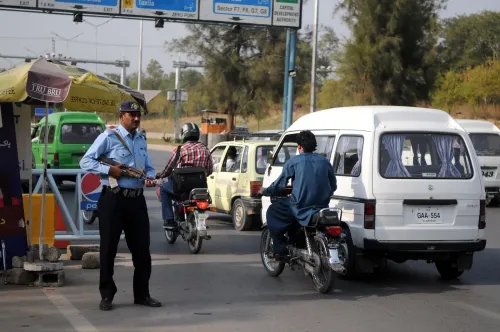
Islamabad, April 23: A sweeping suspension of goods transport across Rawalpindi and Islamabad since April 19 has triggered acute shortages of edible commodities and petroleum products, with traders and freight operators demanding immediate restoration of road access. The crisis has deepened over the past two to three days as oil tankers, grain carriers, and vegetable supply vehicles remain stranded at depots, unable to enter the twin cities.
Fuel Supply to Airports Under Threat
Oil Tanker Contractors' Association spokesperson Noman Ali Butt warned that the ban on goods transport vehicles is "severely hampering the supply of petroleum products" across the region. He confirmed that oil supply vehicles designated for both Peshawar Airport and Islamabad Airport are currently parked at depots, raising fears of imminent fuel disruption at the two major aviation hubs.
The association formally requested authorities to allow tankers to enter Rawalpindi and Islamabad without further delay, stressing that any prolonged halt could cascade into a full-scale aviation fuel crisis.
Grain, Fruit, and Vegetable Markets Hit Hard
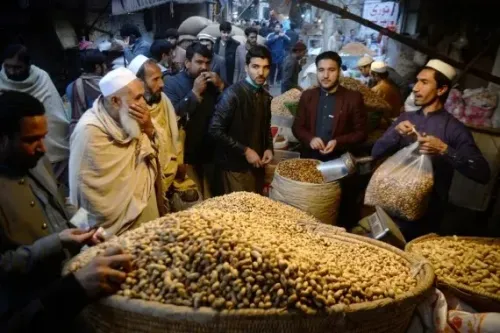
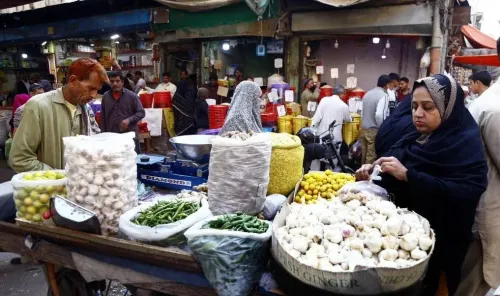
Rawalpindi Goods Transport Association President Shaqeel Qureshi told Dawn that no supplies have reached grain, fruit, or vegetable markets since the road closure began on April 19. The halt has left daily wage workers without income, as labourers arriving at transport terminals are being turned away due to zero cargo movement.
Qureshi proposed that authorities permit goods vehicles to use the motorway as an alternative route to bring supplies from other parts of Pakistan. He drew a parallel with public transport buses on Peshawar Road, which have already been granted motorway access for passenger movement.
He acknowledged that motorway routing would increase transport costs but argued it was a necessary trade-off to prevent a deeper food shortage across the twin cities.
District Administrations Ordered the Blanket Ban
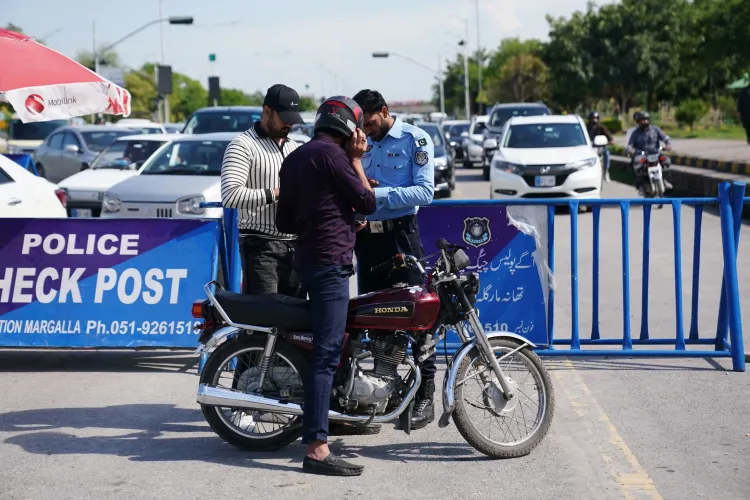
The crisis stems from orders issued on Sunday, April 20, when the district administrations of both Islamabad and Rawalpindi announced suspension of all public and goods transport. Islamabad Deputy Commissioner posted on X (formerly Twitter): "Heavy transport and public transport in the city are being suspended until further orders. Citizens are earnestly requested to cooperate with the security agencies."
No official reason was cited for the suspension. Similarly, the Rawalpindi Deputy Commissioner ordered an immediate halt to all private, public, and goods transport in the district, as reported by Geo News.
Impact on Citizens and Daily Life
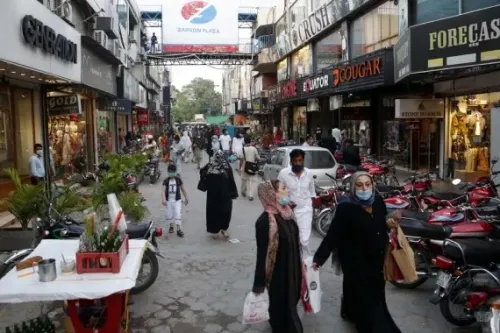
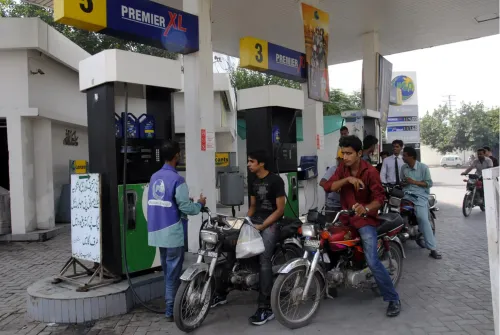
The combined effect of the ban has disrupted the supply chain for millions of residents across the twin cities. Markets are reporting dwindling stocks of essential commodities, and fuel stations face the prospect of running dry if tanker movement is not restored promptly.
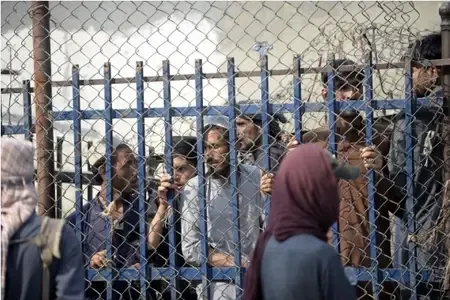
Daily wage workers dependent on loading and unloading cargo have been left without earnings for several consecutive days, adding a humanitarian dimension to what began as a security-driven administrative order.
What Happens Next
Traders and transport associations are in active talks with district authorities to carve out a humanitarian corridor for essential goods. If the ban continues without a motorway exemption or partial lifting, Rawalpindi and Islamabad could face a full-scale supply crisis within days. All eyes are now on the district administrations to issue revised orders that balance security requirements with the urgent need to restore essential commodity supply chains across Pakistan's capital region.
Point of View
While likely driven by undisclosed security imperatives, underscores the fragility of urban supply chains when administrative orders are issued without contingency planning for essential commodities. The fact that airport fuel supply is now at risk signals that the collateral damage has moved well beyond civilian inconvenience into strategic infrastructure territory. Authorities must urgently balance security objectives with the economic and humanitarian cost being borne by millions of residents.
NationPress
24 Sept 2026
Frequently Asked Questions
Why is there a fuel and food shortage in Rawalpindi and Islamabad?
The shortage is caused by a suspension of goods transport ordered by district administrations of Rawalpindi and Islamabad on April 20, 2025. Oil tankers, grain trucks, and vegetable supply vehicles have been barred from entering the twin cities, disrupting essential supply chains.
When did the transport ban in Islamabad and Rawalpindi begin?
The transport ban was announced on Sunday, April 20, 2025, and has been in effect since April 19. The Islamabad and Rawalpindi Deputy Commissioners ordered suspension of all public, private, and goods transport until further notice.
Is fuel supply to Islamabad and Peshawar airports affected?
Yes, the Oil Tanker Contractors' Association has warned that fuel supply vehicles for both Islamabad Airport and Peshawar Airport are parked at depots and unable to move. Fuel supply to the airports is likely to be impacted if the ban continues.
What have traders demanded from Pakistani authorities?
Traders and transport associations have urged authorities to allow goods vehicles to use the motorway as an alternative route to bring supplies into Rawalpindi and Islamabad. The Rawalpindi Goods Transport Association President Shaqeel Qureshi made this proposal to prevent worsening food shortages.
Why did Pakistan's authorities impose the transport ban?
No official reason was provided by the Islamabad or Rawalpindi district administrations for the transport suspension. Citizens were only asked to cooperate with security agencies, suggesting the ban is linked to an undisclosed security situation.