NPCI Enhances UPI Acceptance in Sri Lanka for Tourists and Economy
Synopsis
NPCI International Payments Limited is taking a significant step to enhance UPI acceptance in Sri Lanka, providing Indian tourists with convenient digital payment options that bolster the local economy. This initiative promises to transform the payment landscape for travelers and businesses alike.
Key Takeaways
NPCI is expanding UPI acceptance in Sri Lanka.
Indian tourists will benefit from cashless transactions through UPI-enabled apps.
The initiative supports Sri Lanka's digital economy and enhances payment options.
Major establishments, including hotels and supermarkets, will accept UPI.
The partnership aims to strengthen economic ties between India and Sri Lanka.
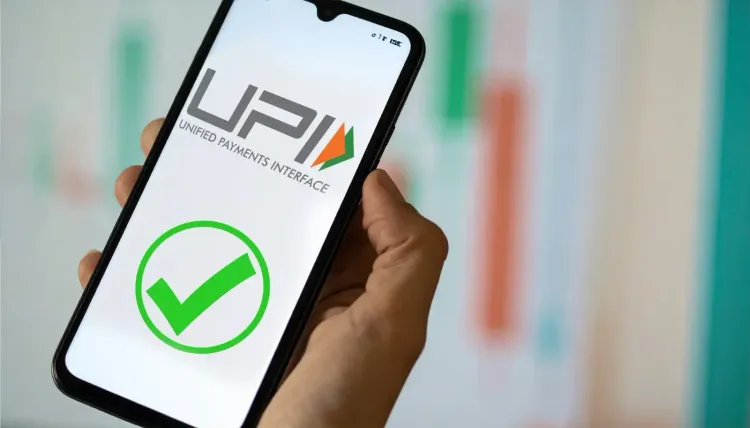
New Delhi, March 17 (NationPress) NPCI International Payments Limited, the global branch of the National Payments Corporation of India (NPCI), announced on Tuesday its initiative to enhance the acceptance of the Unified Payments Interface (UPI) throughout Sri Lanka. This move aims to create a hassle-free payment experience for Indian visitors while bolstering the digital economy of the island nation.
With over 700 million QR points available in India, this platform's interoperable design allows for integration with international systems, including Sri Lanka's LankaPay-supported LankaQR network.
India is the largest contributor to Sri Lanka's tourism, with approximately 416,000 Indian tourists visiting in 2024, increasing to 531,000 in 2025. This consistent growth has led to a heightened demand for convenient and dependable payment options for Indian tourists exploring the island for leisure, shopping, weddings, and spiritual journeys.
According to NPCI, through a partnership with LankaPay, Indian tourists can now conduct digital transactions across Sri Lanka by scanning LankaQR codes using UPI-enabled applications, thereby minimizing their reliance on cash.
This service is accessible at prominent locations, including major hotels, retail stores, and supermarkets.
To expand acceptance, NIPL has engaged with critical stakeholders such as the Central Bank of Sri Lanka, acquiring banks, and merchants, aligning with the domestic payment framework of Sri Lanka.
NPCI believes this initiative will provide advantages to both tourists and local merchants. Tourists will benefit from instant payment capabilities, transparent exchange rates, and a familiar payment interface, while Sri Lankan businesses can access a vast digital customer base, enhance cash management, and lessen their dependence on physical cash.
Ritesh Shukla, the Managing Director and CEO of NPCI International, stated that the organization is dedicated to developing interoperable payment corridors to streamline cross-border transactions and strengthen economic relationships.
“As the adoption of UPI grows, we are focused on improving payment acceptance in key sectors such as hospitality, retail, and tourism, ultimately delivering value to businesses and enhancing the overall travel experience,” he remarked.
Recognized by the International Monetary Fund (IMF) as the largest real-time payment system globally, accounting for almost 50% of all instant payments, the Unified Payments Interface (UPI) is poised to foster cross-border trade and economic cooperation between India and Sri Lanka.
Point of View
NPCI's expansion of UPI acceptance in Sri Lanka represents a strategic effort to strengthen economic ties and enhance the travel experience for Indian tourists. This initiative not only facilitates smoother transactions for visitors but also supports the growth of Sri Lanka's digital economy, ultimately benefiting both countries.
NationPress
14 Sept 2026
Frequently Asked Questions
What is NPCI's initiative in Sri Lanka?
NPCI is enhancing the acceptance of Unified Payments Interface (UPI) in Sri Lanka to provide Indian tourists with a seamless digital payment experience.
How does UPI benefit Indian tourists in Sri Lanka?
UPI allows Indian tourists to make cashless transactions by scanning LankaQR codes using UPI-enabled apps, enhancing convenience while reducing cash reliance.
What impact will this have on Sri Lanka's economy?
This initiative is expected to increase digital payment adoption among tourists, benefiting local businesses and the overall economy.
Where can tourists use UPI in Sri Lanka?
UPI is accepted at major establishments, including hotels, retail outlets, and supermarkets across Sri Lanka.
What entities are involved in this initiative?
NPCI is collaborating with LankaPay, the Central Bank of Sri Lanka, acquiring banks, and local merchants to implement this initiative.