Fertiliser prices held steady: Urea at ₹266.5/bag as global rates top ₹4,000

Synopsis
Even as global urea prices cross ₹4,000 per bag, Indian farmers continue to pay just ₹266.5 — and the government has quietly built a kharif 2026 stock buffer nearly 1.5 times the normal level. The scale of pre-positioning, combined with fresh global tenders for DAP and TSP, suggests the Centre is bracing for a prolonged period of elevated global fertiliser prices.
Key Takeaways
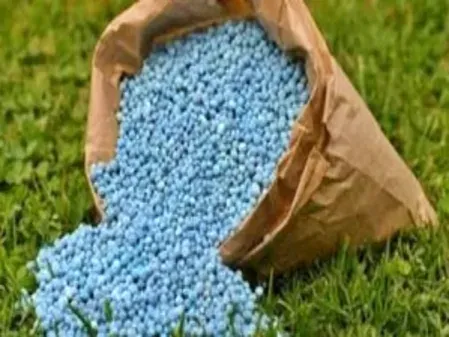
Urea retail price held at ₹266.5 per 45 kg bag despite global prices exceeding ₹4,000 per bag .
Kharif 2026 fertiliser stock stands at 190 LMT — 49% of the assessed requirement of 390.54 LMT , well above the usual 33% buffer.
Urea availability of 71.40 LMT is more than 3.5 times the current requirement of 20.54 LMT .
India secured 25 LMT of urea through a global tender, up from 13.07 LMT in February 2025.
A fresh aggregated tender for 12 LMT DAP , 4 LMT TSP , and 3 LMT ammonium sulphate has been issued.
97% of LNG/RLNG requirements are being met at fertiliser plants, with most urea units running at optimum capacity.
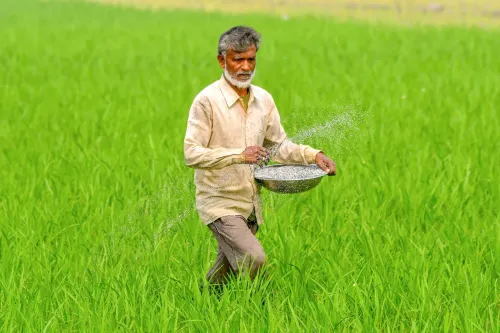
The Ministry of Fertilisers on 28 April 2025 confirmed that retail prices of all major fertilisers in India will remain unchanged, even as international urea prices have surged beyond ₹4,000 per bag. The government continues to supply urea to farmers at a heavily subsidised rate of ₹266.5 per 45 kg bag, absorbing the difference through the subsidy mechanism to shield farmers from global price volatility.
Key Developments in Fertiliser Pricing
While global fertiliser markets have seen sharp upward pressure — driven by energy costs and supply chain disruptions — domestic retail prices have not moved. The Ministry of Fertilisers said in a statement that its commitment to affordability and accessibility for India's farming community remains non-negotiable. This price freeze effectively means the Centre is bearing a significantly larger subsidy burden per bag than in previous seasons.
Kharif 2026 Stock Position
Fertiliser availability ahead of the kharif 2026 season is described as robust, with stocks well above seasonal norms. The Agriculture Ministry has assessed the kharif 2026 fertiliser requirement at 390.54 lakh metric tonnes (LMT). As of 28 April 2025, available stock stands at approximately 190 LMT — around 49% of the seasonal requirement — significantly higher than the usual buffer of about 33%. The ministry attributed this to improved planning, advance stocking, and efficient logistics management.
Fertiliser-by-fertiliser, the supply position as of 1–26 April is sharply ahead of requirement. Urea availability stands at 71.40 LMT against a requirement of 20.54 LMT; DAP at 23.09 LMT against 6.67 LMT; MOP at 8.38 LMT against 1.96 LMT; NPK at 53.40 LMT against 8.43 LMT; and SSP at 25.78 LMT against 3.73 LMT. Across every category, availability is running at three to six times the current requirement.
Domestic Production and Gas Supply
Concerns around natural gas availability — a critical input for domestic urea manufacturing — have been addressed, according to the ministry. A steady gas supply is being maintained to fertiliser plants, with additional LNG/RLNG arranged as required. At present, 97% of LNG/RLNG requirements are being met at fertiliser plants, and most urea plants are operating at optimum capacity.
Import Diversification and Global Tenders
To reinforce domestic supply, India has actively diversified its import sources. In February 2025, India secured 13.07 LMT of urea through the global tender route. The government has since scaled up, securing 25 LMT of urea through a fresh global tender. Additionally, Indian fertiliser companies have issued an aggregated global tender for 12 LMT DAP, 4 LMT TSP, and 3 LMT ammonium sulphate, aimed at ensuring adequate availability during the peak kharif season. Notably, this diversification of import sources comes at a time when geopolitical tensions continue to disrupt global fertiliser supply chains.
What This Means for Farmers
For India's farmers — particularly smallholders who depend on subsidised inputs — the price freeze provides critical cost certainty at the start of the sowing season. With kharif stocks at nearly 1.5 times the normal buffer level, the risk of localised shortages or black-market price spikes is considerably reduced. The Centre's approach signals that farm input affordability will remain a policy priority even as the fiscal cost of fertiliser subsidies rises in line with global prices. How long this price shield can be sustained without a course correction on subsidy outgo will be a key question for the next Union Budget.
Point of View
000 a bag and domestic supply locked at ₹266.5, the per-bag subsidy burden has widened dramatically — a cost that will eventually show up in the fertiliser subsidy bill. The pre-positioning of stocks at 49% of kharif requirement, nearly 1.5 times the historical norm, suggests the government is not confident that global prices will soften soon. The diversification of import sources is the right structural move, but India's dependence on global tender routes for DAP and TSP remains a vulnerability. A longer-term domestic production push — not just import hedging — is what would make this resilience sustainable.
NationPress
26 Sept 2026
Frequently Asked Questions
What is the current retail price of urea for farmers in India?
The government is supplying urea to farmers at a subsidised rate of ₹266.5 per 45 kg bag, unchanged despite global urea prices exceeding ₹4,000 per bag. The Centre is absorbing the difference through the fertiliser subsidy mechanism.
How much fertiliser stock is available for kharif 2026?
As of 28 April 2025, India's fertiliser stock stands at approximately 190 lakh metric tonnes (LMT), which is about 49% of the assessed kharif 2026 requirement of 390.54 LMT. This is significantly higher than the usual buffer level of around 33%.
Why have global fertiliser prices risen so sharply?
Global fertiliser prices, including urea, have surged due to elevated energy costs — natural gas being a primary input — and supply chain disruptions linked to geopolitical tensions. International urea prices have crossed ₹4,000 per bag, compared to India's subsidised domestic rate of ₹266.5.
How is India securing enough fertiliser supply?
India has diversified import sources and secured 25 LMT of urea through a global tender, up from 13.07 LMT in February 2025. Indian fertiliser companies have also issued tenders for 12 LMT DAP, 4 LMT TSP, and 3 LMT ammonium sulphate to ensure peak-season availability.
Is domestic urea production running normally?
Yes. Natural gas supply issues at fertiliser plants have been addressed, with 97% of LNG/RLNG requirements currently being met. Most domestic urea plants are operating at optimum capacity, supporting the strong stock position ahead of kharif sowing.