Anant Joshi on Chumbak: 'Parsis are as Indian as it gets'
Synopsis
While promoting Netflix comedy Chumbak, actor Anant Joshi made a quietly pointed remark: Parsis are 'as Indian as it could be.' In a media landscape where minority identity is often contested, a mainstream entertainment cast casually centring Parsi culture — and humanising it through food and laughter — is more than just a promotional soundbite.
Key Takeaways
Anant Joshi said the Parsi community is 'as Indian as it could be' during promotions of Chumbak in Mumbai on 3 September .
Chumbak is a comedy show releasing on Netflix on 10 September .
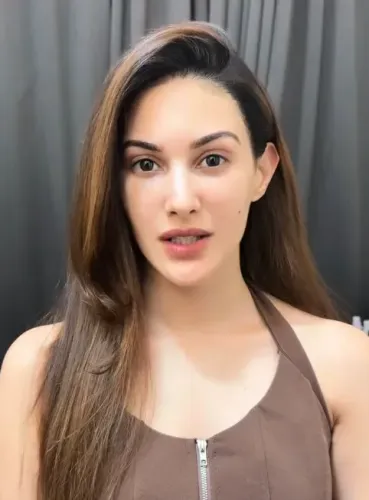
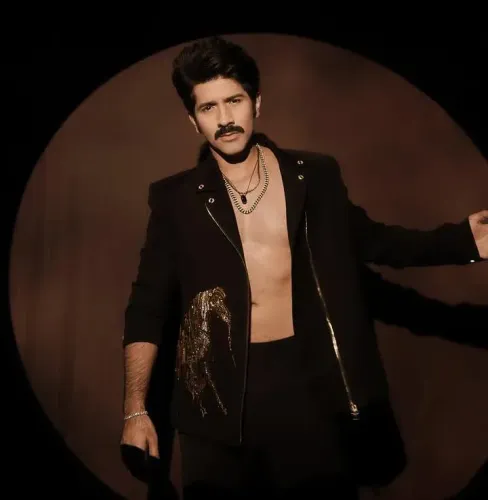
The cast includes Arjun Bijlani , Helly Shah , Delnaaz Irani , and Amyra Dastur .
The Parsi community migrated to India between the 8th and 10th centuries following the fall of the Sasanian Empire .
Joshi noted that a shared love of food emerged as the common cultural thread on set.
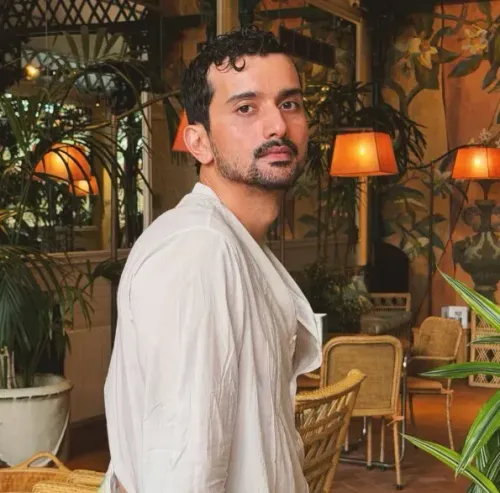
Actor Anant Joshi has said that members of the Parsi community are as Indian as any other citizen, sharing the reflection during promotions of his upcoming Netflix show 'Chumbak' in the BKC area of Mumbai on 3 September. Joshi was joined by co-stars Arjun Bijlani, Helly Shah, Delnaaz Irani, and Amyra Dastur at the promotional event.
What Anant Joshi Said
Speaking candidly about his experience exploring Parsi culture for the show, Joshi said, 'I'm Parsi approved. It was all in the writings. We didn't check any historical facts here as it's a comedy show. I think Parsis are as Indian as it could be. Why are we still after so many years thinking that it's a community? I don't see any difference.'
He added that the one cultural thread that united everyone on set was a shared love of food. 'This love for food, which was there on set — everyone used to say, this is how it is in our place. So, you all can agree that the commonality was food. We all love food,' he said.
The Parsi Community: A Brief Context
The Parsi community, originally native to Iran, migrated to India largely between the 8th and 10th centuries to escape religious persecution following the Arab-Islamic conquest and the fall of the Sasanian Empire in the 7th century. Both Indian and Iranian civilisations are considered among the world's oldest, with histories stretching back at least 10,000 years. Over centuries, the Parsi community integrated deeply into Indian civic, business, and cultural life — contributing figures across law, industry, and the arts.
About Chumbak
'Chumbak' is a comedy show centred on Parsi culture and is set to stream on Netflix from 10 September. The series features an ensemble cast including Bijlani, Shah, Irani, and Dastur alongside Joshi. The show's tone, as Joshi described it, is light and comedic rather than a documentary deep-dive into Parsi traditions.
Why It Resonates
Joshi's remarks come at a time when conversations around cultural identity and minority communities in India are frequently in public discourse. By framing the Parsi community not as 'the other' but as an intrinsic part of the Indian fabric, the actor's comments — though made in a promotional context — touch on a broader sentiment of pluralism. Notably, the Parsi population in India has declined significantly over decades, making cultural representations in mainstream entertainment increasingly significant for community visibility.
Point of View
But it lands in a charged context. The Parsi community — one of India's smallest and most rapidly shrinking minorities — rarely gets prime-time cultural representation. A Netflix comedy built around Parsi life is itself a statement. What mainstream coverage tends to miss is that the Parsi population in India has been in steep demographic decline for decades, making shows like Chumbak quietly significant beyond their entertainment value. The real question is whether such representations spark broader curiosity about the community or remain a novelty cycle tied to a streaming release window.
NationPress
4 Sept 2026
Frequently Asked Questions
What is Chumbak on Netflix?
Chumbak is an upcoming Indian comedy streaming show on Netflix centred on Parsi culture, releasing on 10 September. The cast includes Anant Joshi, Arjun Bijlani, Helly Shah, Delnaaz Irani, and Amyra Dastur.
What did Anant Joshi say about the Parsi community?
Anant Joshi said Parsis are 'as Indian as it could be,' adding that he sees no meaningful difference between the Parsi community and any other Indian community. He made these remarks during promotional interviews for Chumbak in Mumbai.
When does Chumbak release on Netflix?
Chumbak is set to release on Netflix on 10 September.
Who are the Parsis and how did they come to India?
Parsis are followers of Zoroastrianism, originally from Iran, who migrated to India largely between the 8th and 10th centuries to escape religious persecution after the Arab-Islamic conquest and the fall of the Sasanian Empire in the 7th century. They have since become a deeply integrated part of Indian society.
Who is in the cast of Chumbak?
The show features Anant Joshi, Arjun Bijlani, Helly Shah, Delnaaz Irani, and Amyra Dastur in its ensemble cast.