Ben Rekhi: 'Last Man in Tower' took 10 years from book to screen
Synopsis
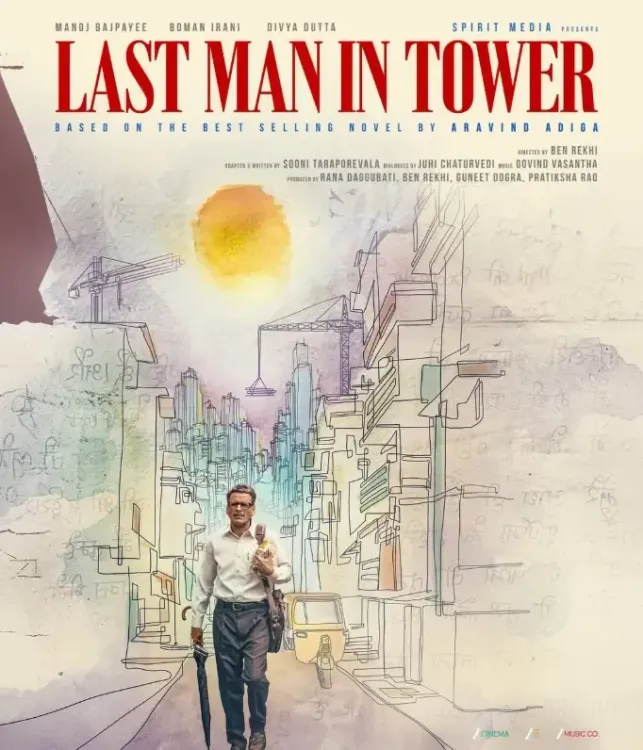
Director Ben Rekhi spent 10 years bringing 'Last Man in Tower' — based on Aravind Adiga's novel — to cinemas, describing the adaptation as a 'colossal task'. With Manoj Bajpayee at the centre of a story about how self-perception collides with social judgment, Rekhi says the world is now 'ready to receive' what he calls one of the scariest themes in human experience.
Key Takeaways
Director Ben Rekhi says it took 10 years to bring 'Last Man in Tower' to cinemas after reading the source novel.
The film is based on Aravind Adiga 's acclaimed novel of the same name.
Manoj Bajpayee and Divya Dutta star in the film, which is currently in theatres.
Rekhi described the adaptation as a 'colossal task', citing the psychological complexity of the source material.
The director said the film explores the unsettling gap between how we see ourselves and how others perceive us.
Director Ben Rekhi has revealed that it took him nearly 10 years to bring his latest film, 'Last Man in Tower', to cinemas after he first read the novel on which it is based. The film, starring Manoj Bajpayee and Divya Dutta, is currently playing in theatres across India.
From Page to Screen: A Decade in the Making
Speaking during the film's promotional tour, Rekhi described the journey from discovering the source material to mounting the production as a 'colossal task'. 'Reading the book to deciding it needs to be a film was very fast. When I finished reading it, I was like, ‘My God, this is so cinematic.’ From that point to mounting the film took 10 years,' he said. Rekhi added that he believes the timing of the release was no accident: 'I really believe that things happen at the right moment. And this film is coming into the world just at the moment that the world is ready to receive it and needs to see it.'
The Complexity at the Heart of the Story
Rekhi also spoke candidly about the thematic challenges of adapting the novel, which he described as unusually layered in its psychological depth. 'The thing that’s so complex about this book is that we tell ourselves, “Oh, we shouldn’t care what other people think.” The reality is we’re all deeply concerned with what other people think about us. And that’s been there since the status of like the tribes. It’s always been there,' he explained.
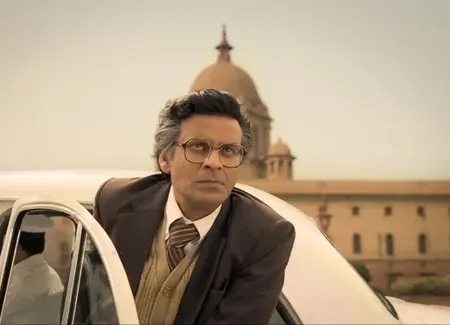
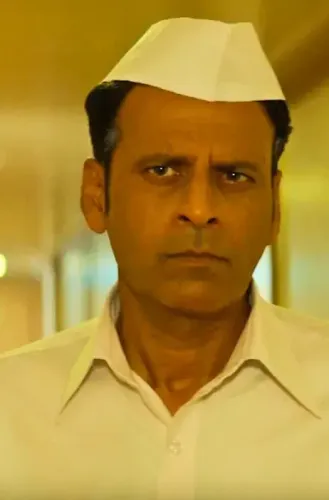
The director pointed specifically to Bajpayee's character as the emotional and dramatic anchor of the film. 'The thing about Manoj’s character that makes him so complicated is that the way he views himself comes in direct conflict to how other people see him. And that’s very destabilising as a person,' Rekhi said. He added: 'I think one of the scariest moments is realising you’re not who you thought you were, where people don’t see you the way that you see yourself.'
A Timely Release
Notably, 'Last Man in Tower' arrives at a moment when Indian cinema has seen growing appetite for character-driven, literary adaptations. The film draws on Aravind Adiga’s acclaimed novel of the same name, a work renowned for its sharp examination of social status, greed, and community in urban India. Rekhi’s decade-long commitment to the project underscores both the difficulty and the ambition of the adaptation.
Manoj Bajpayee, one of Hindi cinema’s most celebrated character actors, brings the morally complex central figure to life, while Divya Dutta features in a key supporting role. 'Last Man in Tower' is currently playing in cinemas.
Point of View
Yet decade-long development timelines remain rare — and often a signal of genuine creative ambition rather than commercial calculation. Rekhi's framing of the film's release as cosmically timed is the kind of auteur instinct that either ages beautifully or reads as overreach once audience numbers come in. What is undeniable is that Bajpayee remains one of the few Indian actors capable of carrying the weight of a character whose identity is fundamentally unstable — and Adiga's novel gives that instability social and political teeth that a straightforward Bollywood treatment would likely sand away.
NationPress
15 Sept 2026
Frequently Asked Questions
How long did it take to make 'Last Man in Tower'?
Director Ben Rekhi says it took 10 years from the moment he decided to adapt the novel to actually mounting and releasing the film. He described the process as a 'colossal task', noting that while the decision to adapt came quickly after reading the book, the production journey was far longer.
What is 'Last Man in Tower' based on?
'Last Man in Tower' is based on the novel of the same name by celebrated Indian author Aravind Adiga. The book is known for its exploration of greed, social status, and community conflict in urban India.
Who stars in 'Last Man in Tower'?
The film stars Manoj Bajpayee in the central role, alongside Divya Dutta. Ben Rekhi has directed the film.
What themes does 'Last Man in Tower' explore?
According to director Ben Rekhi, the film examines the tension between how individuals perceive themselves and how others see them — a conflict he describes as deeply destabilising. It also explores the universal human preoccupation with social status and others' opinions.
Is 'Last Man in Tower' currently in cinemas?
Yes, 'Last Man in Tower' is currently playing in cinemas as of 15 September 2026.