Bhumi Pednekar on 26/11: Attack was on India, not just Mumbai

Synopsis
Standing at the Gateway of India, steps from the Taj Hotel, Mumbai-born Bhumi Pednekar called 26/11 an attack on all of India and vowed the victims' stories will never be forgotten. The 2008 siege killed 166 people and reshaped India's security apparatus, from the NIA to regional NSG hubs.
Key Takeaways
Bhumi Pednekar paid tribute to 26/11 martyrs and victims at the Gateway of India on Thursday .
The Mumbai-born actress said the attack was not only on Mumbai but on the entire country.
10 Pakistan-based Lashkar-e-Taiba terrorists carried out the 26 November 2008 attacks, killing 166 and injuring 238 .
Security forces eliminated 9 attackers; Ajmal Kasab was captured, convicted and hanged in 2012 .
The attacks led to the creation of the NIA , 4 regional NSG hubs and Maharashtra's Force One .
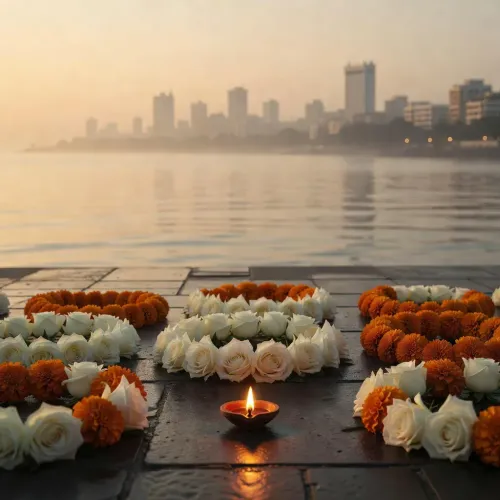
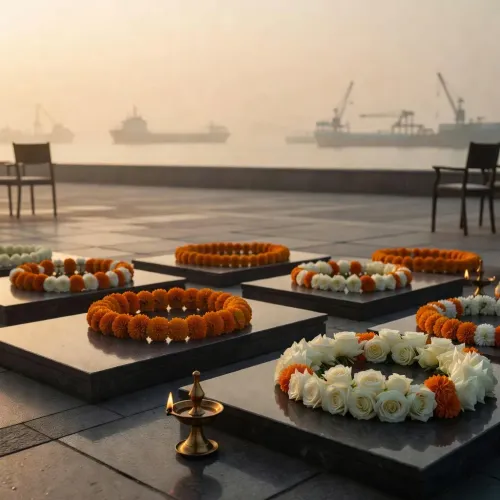
Bollywood actress Bhumi Pednekar on Thursday paid tribute to the martyrs and victims of the 26/11 Mumbai terror attacks at the Gateway of India, saying the 2008 assault targeted the entire country and not just Mumbai. Speaking to the media after the tribute, the Mumbai-born actress described 26 November 2008 as a dark day that brought the city to a standstill while it was under siege by Pakistani terrorists.
Bhumi Pednekar's Tribute at the Gateway of India
Pednekar's remarks came as Mumbai marked another anniversary of one of the deadliest terror attacks on Indian soil. The actress acknowledged the many groups who lived through the attack, from police officers and soldiers to survivors and ordinary residents.
“I would like to say that all our martyrs, Mumbai police officers, our armed forces, survivors, frontline responders, and all the citizens of Mumbai who have spent such a dark day, and I am also from Mumbai, I was born here, I have Mumbai in my heart. I think the attack on 26/11 was not only on Mumbai, but on our country,” she told the media.
A Message of Hope Over Hatred
The actress framed her tribute around resilience, arguing that India's response to hatred has been to turn it into hope. She said the stories of those who lost their lives, and of their families, would not fade from public memory.
“But the most beautiful thing about our country is that wherever we see hatred, we will turn it into love, we will turn it into hope,” Pednekar said. She added, “I bow my head and say that your stories, what happened to you, will never be forgotten. And we will fill the world with so much love that there will be no place for hatred. There will be no space for terrorism in the world.”
Recalling the 26/11 Mumbai Attacks
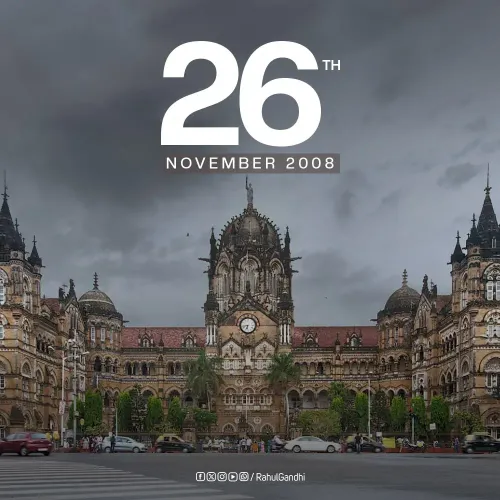
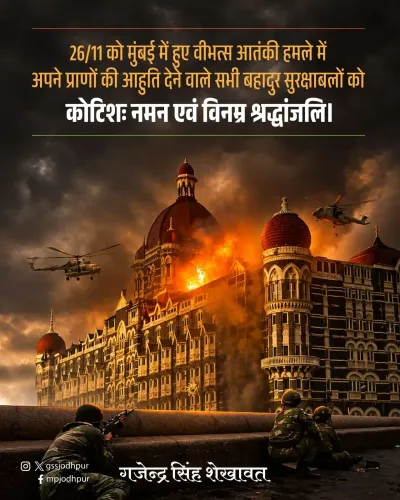
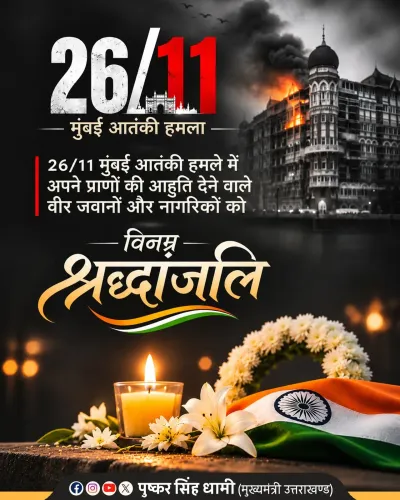
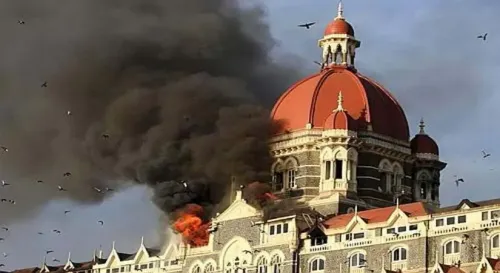
On 26 November 2008, 10 Pakistan-based Lashkar-e-Taiba terrorists arrived in Mumbai by sea and launched coordinated assaults on several locations, including the Taj Hotel, the Oberoi, CST, Leopold Cafe and Nariman House. The siege lasted around 60 hours.
The attacks killed 166 people and injured 238. Security forces eliminated 9 of the attackers, while Ajmal Kasab was captured alive, convicted and hanged in 2012.
Security Reforms That Followed
The scale of the assault exposed gaps in India's counter-terror architecture and triggered sweeping reforms. These included the creation of the National Investigation Agency (NIA), the setting up of 4 regional National Security Guard (NSG) hubs, and the formation of Maharashtra's Force One.
Coastal surveillance and intelligence coordination were also strengthened, given that the attackers had entered the city via the sea. Notably, the Gateway of India, where Pednekar paid her respects, stands close to the Taj Hotel, one of the most prominent sites of the 2008 siege.
Pednekar's tribute adds to a long tradition of public figures, officials and citizens gathering in Mumbai each November to remember the victims, a ritual that keeps the memory of 26/11 alive for a generation that has grown up since the attacks.
Point of View
But Pednekar's framing — an attack on the nation, not a city — is the correct one, and it is the logic that drove the NIA and NSG hub reforms. The harder question remembrance often skips is whether those post-2008 reforms, especially coastal surveillance and inter-agency intelligence sharing, have kept pace with evolving threats. Eighteen years on, accountability for the attack's planners across the border remains incomplete. Memory matters most when it sustains pressure for that justice and for continued security vigilance.
NationPress
26 Nov 2026
Frequently Asked Questions
What did Bhumi Pednekar say about the 26/11 attacks?
Bhumi Pednekar said the 26/11 attacks were not only on Mumbai but on the entire country. She added that India turns hatred into love and hope, and that the victims' stories will never be forgotten.
Where did Bhumi Pednekar pay tribute to the 26/11 victims?
She paid tribute at the Gateway of India in Mumbai on Thursday, 26 November 2026, and spoke to the media afterwards.
How many people died in the 26/11 Mumbai attacks?
The 26/11 attacks killed 166 people and injured 238. The siege, carried out by 10 Lashkar-e-Taiba terrorists, lasted around 60 hours.
What happened to the 26/11 attackers?
Security forces eliminated 9 of the 10 attackers. The lone surviving attacker, Ajmal Kasab, was captured, convicted and hanged in 2012.
What security reforms followed the 26/11 attacks?
The attacks led to the creation of the National Investigation Agency (NIA), 4 regional NSG hubs and Maharashtra's Force One. Coastal surveillance and intelligence coordination were also strengthened.