Power Minister Khattar pays tribute to 26/11 Mumbai martyrs

Synopsis
Union Power Minister Manohar Lal Khattar paid homage to soldiers, police and civilians killed in the 26/11 Mumbai attacks. Recalling the 2008 siege, he said a grateful nation bows to their sacrifice and that India, under Prime Minister Narendra Modi, stands with a zero-tolerance policy to eradicate terrorism.
Key Takeaways
Union Power Minister Manohar Lal Khattar paid homage on 26 November to those killed in the 26/11 Mumbai terror attacks.
The 2008 siege by Lashkar-e-Taiba militants lasted from 26 to 29 November and killed 166 people.
Khattar said the fallen set the highest standards of sacrifice and that a grateful nation will always bow before them.
He said India under Prime Minister Narendra Modi stands with a zero-tolerance policy against terrorism.
The attacks led to the creation of the National Investigation Agency in December 2008.
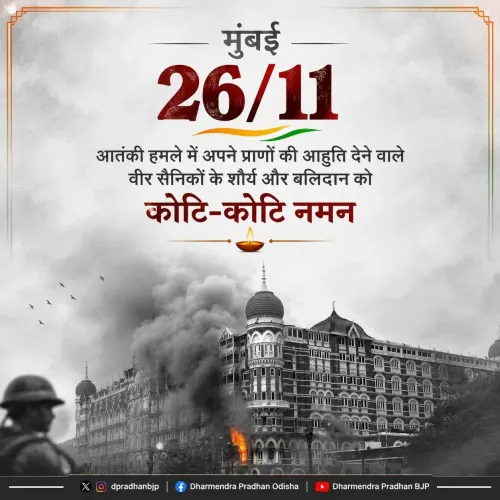
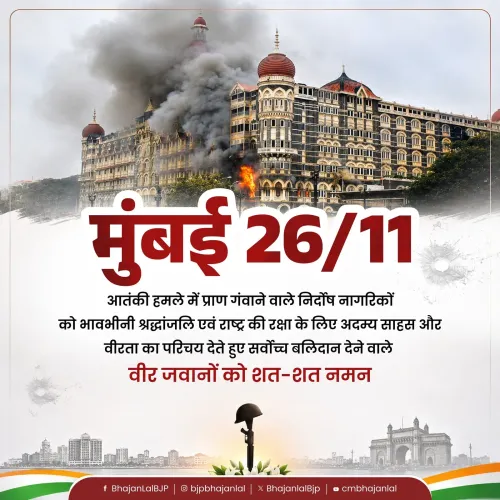
The night still has a name in Indian memory: 26/11. Union Power Minister Manohar Lal Khattar on 26 November offered heartfelt homage to the soldiers, police personnel and innocent civilians killed when terrorists struck Mumbai in 2008, saying a grateful nation would always bow before their sacrifice.
Writing in Hindi, Khattar offered bhavpurna shraddhanjali (heartfelt tributes) after what he called a heart-rending terrorist attack in the city. He said that on this day in 2008, a cowardly act by terrorists cost India many of its own, yet its brave sons, showing unmatched courage and valour, gave the attackers a crushing reply.
166 killed across four days in Mumbai
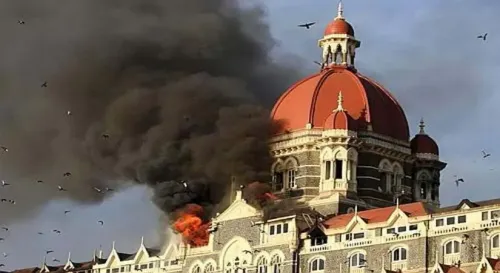
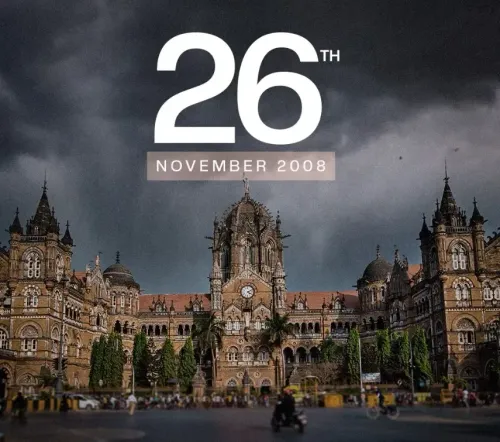
The coordinated assault began on the night of 26 November 2008 and stretched to 29 November. Militants of Lashkar-e-Taiba hit multiple sites across Mumbai. Official records put the death toll at 166, among them security personnel and civilians.
The National Security Guard later mounted Operation Black Tornado to end the siege. Khattar said those who laid down their lives in the nation's defence had set the highest standards of tyag and samarpan — sacrifice and dedication.
Khattar invokes Modi's zero-tolerance doctrine
The minister then bound memory to policy. Under Prime Minister Narendra Modi, he said, India stands united and strong against terrorism with a zero tolerance policy and is firmly resolved to uproot it.
That line sits on a longer institutional trail. Within weeks of the attacks, an ordinance created the National Investigation Agency to handle terror cases. After the 2016 Uri attack, India publicly conducted cross-LoC surgical strikes, a more proactive posture that later commemorations have repeatedly underlined.
Mumbai's wound that returns every winter
For the city's residents and for families of the fallen, the date is not a slogan. It is a wound that returns each November. The men and women who fought through hotels, a railway terminus and crowded streets remain the human face of that night.
A grateful nation, Khattar wrote, will always remain bowed before their sacrifice. Each anniversary still asks the same hard thing: remember the dead, then keep the threat from walking those streets again.
Point of View
Praise the fightback, then bind the memory to Prime Minister Narendra Modi's zero-tolerance doctrine. Since 2008 India has layered new tools, from the National Investigation Agency to public cross-LoC strikes after Uri in 2016. The political point is continuity of purpose — that remembrance is incomplete unless the state also claims it will hit terror at its source.
NationPress
26 Nov 2026
Frequently Asked Questions
What did Manohar Lal Khattar say about 26/11?
He offered heartfelt tributes to soldiers, police personnel and civilians killed in the Mumbai attacks and said India follows a zero-tolerance policy against terrorism. He recalled that on this day in 2008 the country lost many of its own, yet its forces gave a crushing reply.
When did the 26/11 Mumbai attacks take place?
The attacks began on the night of 26 November 2008 and continued until 29 November. They were coordinated strikes across Mumbai by Lashkar-e-Taiba militants.
How many people were killed in the 26/11 attacks?
Official records put the death toll at 166, including security personnel and civilians. The National Security Guard later ended the siege through Operation Black Tornado.
What is India's zero-tolerance policy on terrorism?
It is the current government's stated doctrine of refusing accommodation with terrorist groups and seeking to eliminate threats at source. Khattar said that under Prime Minister Narendra Modi, India stands united and resolved to uproot terrorism.
What changed in India's counter-terror system after 26/11?
Within weeks, an ordinance created the National Investigation Agency to probe terror cases. In later years, after the 2016 Uri attack, India publicly conducted cross-LoC surgical strikes as a more proactive response.