US Section 301 tariffs: South Korea rate seen holding at 15%
Synopsis
South Korea dodged an immediate tariff hike, but only just. The US is holding Seoul at 15% under new overcapacity tariffs while explicitly warning the rate will rise over its chip plant expansion and trade surplus, turning South Korea's semiconductor strategy into a bargaining chip in Washington's trade playbook.
Key Takeaways
The USTR proposed new Section 301 tariffs after probing 16 economies , including South Korea , for structural overcapacity.
South Korea's combined Section 301 tariff is expected to stay at 15 per cent , matching last year's bilateral trade deal.
The deal cut tariffs from 25% to 15% in exchange for a US$350 billion investment pledge, capped at $20 billion a year.
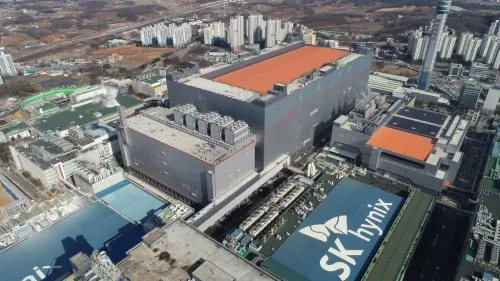
The USTR warned the rate could rise, citing Seoul's trade surplus and plans for more semiconductor plants .
The report noted that Korea's manufacturing share of GDP is roughly triple that of the United States.
The United States has unveiled plans for new tariffs on trading partners accused of structural overcapacity, but the rate on South Korea is expected to stay at the agreed 15 per cent, according to reports from Seoul on 26 November 2026. Washington has warned, however, that the levy could rise if its concerns over Seoul's planned new semiconductor plants are not resolved.
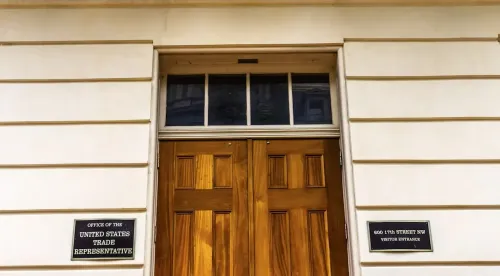
The proposed measures were announced by the Office of the U.S. Trade Representative (USTR) after investigations into 16 economies, including South Korea, under Section 301 of the 1974 Trade Act. The probes examined trade practices linked to what the USTR described as “structural” excess capacity and production.
How the 15% Rate Holds
The latest decision follows the USTR's announcement in July of new tariffs of up to 12.5 per cent on South Korea and several other countries, after its so-called forced labour investigation. The new step would bring the combined Section 301 tariff on South Korean goods to 15 per cent.
Notably, that figure matches the rate agreed under last year's bilateral trade and investment agreement. Under that deal, Washington agreed to cut tariffs on South Korean products to 15 per cent from 25 per cent. In return, Seoul committed to investing US$350 billion in the United States, with an annual cap of $20 billion.
What the USTR Report Flagged
Despite holding the rate for now, the USTR said South Korea's tariff would go up. It cited Seoul's trade surplus and its plans to build more semiconductor plants. The report stated that South Korea's economy “exhibits indicia of structural excess capacity and production.”
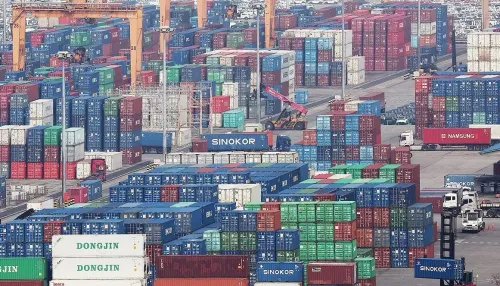
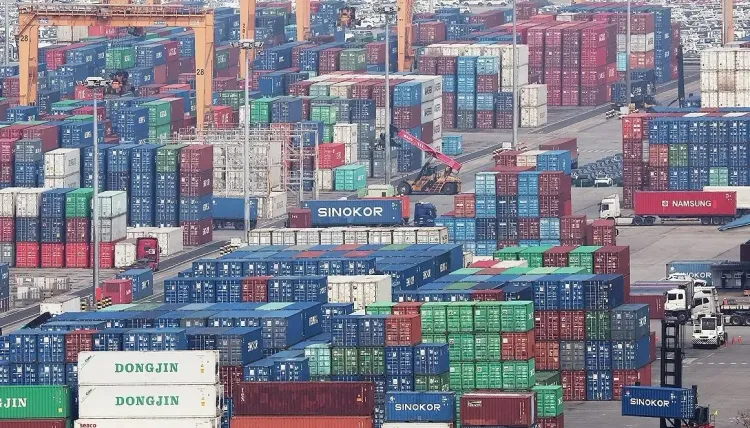
According to the USTR, this included “disproportionately large manufacturing capacity and production, with the share of Korea's manufacturing sector to its GDP roughly triple that of the United States.” The agency also pointed to “large and persistent trade surpluses in sectors, such as automotive, semiconductor, and petrochemicals.”
The report singled out Seoul's industrial planning. “Korea also has developed sector-specific strategies, such as the K-Semiconductor Belt Strategy, and the Future Car Industry Development Strategy 2030, which supplement the Master Plan's goals and direct additional financial resources toward expanding production and boosting export competitiveness,” it said.
It added: “The U.S. Congress in Section 301 expressed particular concern for government plans or schemes designed to artificially enhance exports.” The U.S. Congress has also raised issues with South Korea's regulation of digital sectors.
Industry Response in Seoul
Chang Sang-sik, an expert at the Korea International Trade Association, said the South Korean government needs to factor overcapacity issues into its trade talks with Washington.
“Because there are conditions that tariffs could rise if overcapacity deepens, a possibility of trade friction must be taken into account in mapping out trade policy,” Chang said.
Why It Matters Beyond Seoul
This comes amid a broader US push to use Section 301 as a lever against economies it views as over-producing. With 16 economies under review, the overcapacity framework could reshape tariff exposure for other major exporters, including those in Asia's semiconductor and automotive supply chains.
For South Korea, the immediate rate is stable, but the conditional warning ties future tariff levels directly to its chip investment plans. How Seoul balances its semiconductor ambitions with Washington's concerns is likely to shape the next phase of bilateral trade negotiations.
Point of View
Yet the USTR now signals that domestic industrial policy, specifically chip plant expansion, can reopen the deal. That sets a precedent every exporting economy, India included, should study: trade agreements with the US increasingly carry an industrial-policy clause in practice, if not on paper. For countries building semiconductor capacity of their own, the 'overcapacity' label could become the next frontier of trade friction.
NationPress
26 Nov 2026
Frequently Asked Questions
What tariff rate will the US apply to South Korea under the new Section 301 measures?
South Korea's combined Section 301 tariff rate is expected to remain at 15 per cent. This matches the rate agreed under last year's bilateral trade and investment agreement.
Why could US tariffs on South Korea rise?
The USTR warned that the rate could go up because of concerns over South Korea's trade surplus and its plans to build more semiconductor plants. It said Korea's economy shows signs of structural excess capacity.
What is the US-South Korea trade deal behind the 15% rate?
Under the deal, the US cut tariffs on South Korean products to 15 per cent from 25 per cent. In exchange, South Korea committed to investing US$350 billion in the US, with an annual cap of $20 billion.
How many countries did the USTR investigate for overcapacity?
The USTR investigated 16 economies, including South Korea, under Section 301 of the 1974 Trade Act. The probes focused on trade practices tied to structural excess capacity and production.
Which South Korean strategies did the USTR criticise?
The USTR named the K-Semiconductor Belt Strategy and the Future Car Industry Development Strategy 2030. It said these direct additional financial resources toward expanding production and boosting export competitiveness.