US reaffirms 15% tariff cap for South Korea under Section 301 duties
Synopsis
Washington's new Section 301 forced-labour tariffs on 60 countries could have rattled Seoul — but South Korea secured a critical assurance: the US has reaffirmed that the bilateral tariff cap of 15 percent holds. With a US$122.9 billion export relationship at stake and an overproduction investigation still live, the diplomatic groundwork South Korea laid before the announcement may prove to have been its most important trade move of 2025.
Key Takeaways
The US has reaffirmed it will honour the Seoul-Washington tariff agreement , capping duties on South Korean goods at 15 percent .
Washington announced new Section 301 forced-labour tariffs of 10–12.5 percent on 60 trade partners , effective Friday, 25 July 2025 (US time).
South Korea is subject to 12.5 percent under the new scheme, alongside Japan and Switzerland .
South Korea exported US$122.9 billion to the US last year; the US is Seoul's second-largest trading partner .
A Section 301 overproduction investigation involving South Korea remains ongoing.
Industry Minister Kim Jung-kwan personally pressed the US to keep tariffs within the bilateral agreement's ceiling during pre-announcement talks.
The United States has reaffirmed its commitment to honouring the existing Seoul-Washington tariff agreement, capping duties on South Korean goods at 15 percent under newly announced Section 301 tariffs, the South Korean Ministry of Trade, Industry and Resources said on Friday, 25 July 2025. The confirmation came as Washington rolled out a fresh round of forced-labour tariffs on imports from 60 trading partners, effective Friday US time.
What the New Section 301 Tariffs Cover
Washington announced a new set of tariffs ranging from 10 percent to 12.5 percent on imports from 60 trade partners under Section 301 of the 1974 Trade Act, targeting what US authorities have characterised as forced-labour trade practices. The move followed the expiry of temporary 10 percent worldwide tariffs, which lapsed after the US Supreme Court struck down the Trump administration's reciprocal tariff framework in February. Under the new structure, South Korea is placed in the same 12.5 percent bracket as Japan and Switzerland.
Seoul's Position and Bilateral Talks
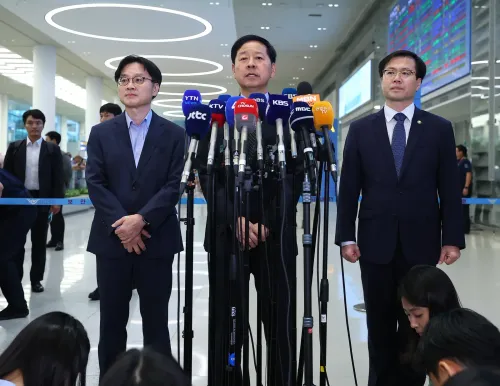
The South Korean trade ministry said it had formally requested US compliance with the bilateral tariff agreement reached last year, which set a 15 percent ceiling on reciprocal tariffs applied to Korean goods. According to the ministry, the US side reaffirmed during bilateral consultations that the existing agreement must be upheld. Industry Minister Kim Jung-kwan was among the Korean officials who emphasised during pre-announcement talks that any Section 301 tariffs must not breach the 15 percent threshold stipulated in the accord.
Trade Stakes for South Korea
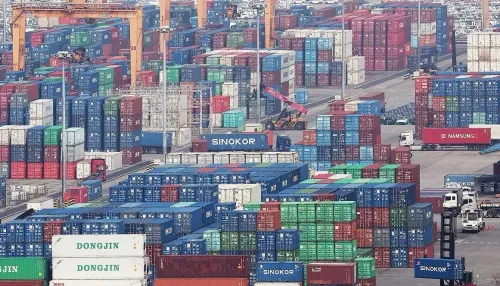
South Korea exported US$122.9 billion worth of goods to the United States last year and imported US$73.4 billion, making the US its second-largest trading partner. The scale of this relationship underscores why Seoul has moved quickly to secure assurances — any tariff escalation beyond the agreed ceiling would carry significant consequences for Korean exporters in sectors such as semiconductors, automobiles, and steel.
What Happens Next
The ministry noted that the Section 301 investigation into overproduction remains ongoing, and pledged to actively engage with the investigation process. It also committed to continued close consultations with Washington to protect the balance of interests secured under the existing bilateral tariff agreement. The ministry said it expects the US announcement to reduce uncertainty in the trade environment following the Supreme Court's February ruling, which had left the tariff landscape in flux.
Point of View
Not statute, and the Section 301 overproduction investigation still running means Seoul's relief is provisional. South Korea's swift pre-announcement lobbying, led by Minister Kim Jung-kwan, signals how exposed its export economy is to US tariff volatility. The deeper issue is that the Supreme Court's February ruling voided the existing reciprocal tariff architecture, forcing Washington to rebuild its trade-restriction toolkit from scratch — and every ally is now scrambling to carve out its position in that new order before the rules harden.
NationPress
22 Oct 2026
Frequently Asked Questions
What are the new US Section 301 tariffs announced in July 2025?
The US announced forced-labour tariffs of 10 to 12.5 percent on imports from 60 trading partners under Section 301 of the 1974 Trade Act, effective Friday 25 July 2025 (US time). The move followed the expiry of temporary 10 percent worldwide tariffs after the US Supreme Court struck down the Trump administration's reciprocal tariff regime in February.
How does the Seoul-Washington tariff agreement protect South Korea?
The bilateral tariff agreement, reached last year, caps reciprocal tariffs on South Korean goods at 15 percent. The US reaffirmed during consultations ahead of the Section 301 announcement that this ceiling remains in force, meaning the new 12.5 percent tariff on South Korea does not breach the agreed limit.
What tariff rate applies to South Korea under the new Section 301 scheme?
South Korea is subject to a 12.5 percent tariff under the new Section 301 framework, placed in the same bracket as Japan and Switzerland. This remains below the 15 percent ceiling set by the Seoul-Washington bilateral agreement.
Why does this matter for South Korea's economy?
South Korea exported US$122.9 billion to the United States last year, making the US its second-largest trading partner. Any tariff increase beyond the agreed ceiling would significantly impact Korean exporters in key sectors such as semiconductors, automobiles, and steel.
Is the Section 301 investigation into South Korea finished?
No. According to the South Korean trade ministry, the Section 301 investigation into overproduction remains ongoing. Seoul has pledged to actively engage with the investigation process and continue bilateral consultations to protect the terms of the existing tariff agreement.