USTR to unveil Section 301 trade probe findings on 70+ nations in weeks
Synopsis
Washington is preparing to unleash a fresh tariff wave — not through blunt reciprocal duties this time, but via Section 301, the legal route that survived the Supreme Court's February strike-down. With 70+ countries under the lens and South Korea, China and Japan named, the next few weeks could redraw the global trade map.
Key Takeaways
USTR Jamieson Greer announced findings from Section 301 probes will be released over the coming weeks.
Investigations cover over 70 countries , including South Korea , China and Japan .
Probes target structural excess capacity, unfair trade practices, and forced-labour-linked imports.
Section 301 is being used after the US Supreme Court struck down reciprocal tariffs in February .
South Korean goods previously faced a 15 percent reciprocal tariff under a bilateral pact.
Findings may translate into fresh tariffs or other remedial measures.
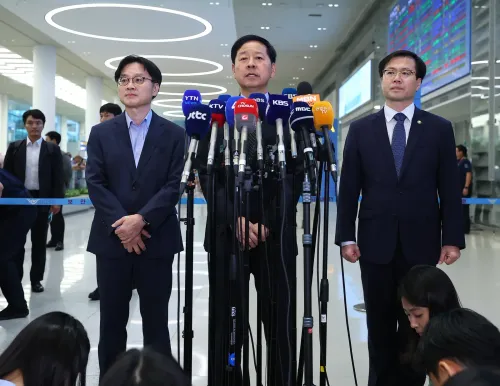
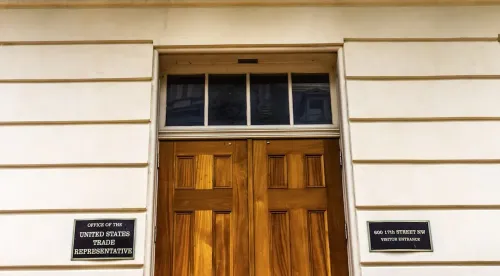
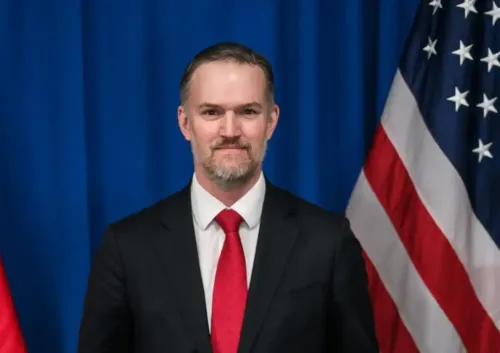
The United States will release findings from its Section 301 trade investigations covering more than 70 countries — including South Korea, China and Japan — “over the next few weeks,” US Trade Representative Jamieson Greer said on 3 June. The probes could trigger fresh tariffs or other corrective measures aimed at what Washington calls “persistent unfair trade practices.”
What Greer said
In an interview with CNBC, Greer confirmed that his office is investigating “specific unfair trading practices by different countries” spanning over 70 economies. “You will see over the next few weeks, we'll be releasing reports on our findings, and if we find unfair trading practices, structural excess capacity, forced labor, things like this, we'll put out proposals on how we think we should fix it, and that may be proposed tariffs or other things,” he said.
Greer added that he could not prejudge outcomes but stressed the administration's view that global trade distortions remain entrenched.
Why Section 301 matters now
The Section 301 provision of the 1974 Trade Act empowers the USTR to investigate foreign trade practices on a country-by-country basis. The current round focuses on structural excess capacity, production subsidies, and imports linked to forced labour.
Notably, the renewed push comes after the US Supreme Court in February struck down the Trump administration's country-specific “reciprocal” tariffs. Section 301 is now being used as the legal vehicle to reinstate trade pressure on a firmer footing.
Impact on South Korea and key partners
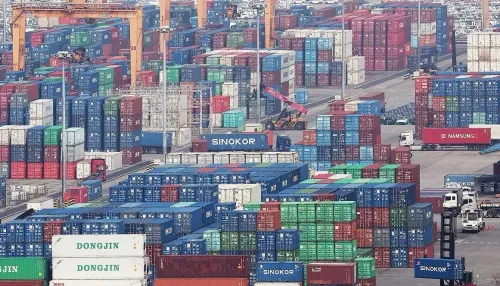
Before the Supreme Court ruling, South Korean exports to the US faced a 15 percent reciprocal tariff under a bilateral arrangement. Greer separately cited South Korea's emergence as a “steelmaking powerhouse” in a recent article defending President Donald Trump's tariff stance and criticising foreign state intervention in industry.
China and Japan, both flagged in the probe list, are likely to face renewed scrutiny over industrial policy and overcapacity in sectors such as steel, electric vehicles, and semiconductors, according to reports.
The reshoring argument
Greer framed the tariff strategy as a tool to “reshore” manufacturing to American soil. “Where we don't need to have a tariff, you don't need to have it. But our sense is we have a giant trade deficit,” he said. “We have a lot of offshoring, so we do need substantial tariffs applied.”
What happens next
Sectoral and country-specific findings are expected to be staggered over the coming weeks, each potentially carrying proposed tariff schedules or remedial measures. Trading partners are likely to seek consultations before any duties take effect, setting the stage for a fresh round of bilateral negotiations through the summer.
Point of View
The Trump administration needs a tariff vehicle that can withstand judicial review. By framing investigations around forced labour and excess capacity, Washington is also borrowing language from the EU and Indo-Pacific playbooks, which complicates retaliation. For partners like South Korea, the danger is procedural: country-by-country findings mean bilateral leverage replaces multilateral norms. Expect a summer of asymmetric deal-making, not WTO-style adjudication.
NationPress
18 Oct 2026
Frequently Asked Questions
What is the US Section 301 trade investigation?
Section 301 of the 1974 Trade Act allows the US Trade Representative to investigate foreign trade practices deemed unfair on a country-by-country basis. The current round covers over 70 countries and focuses on structural excess capacity, unfair practices, and forced-labour-linked imports.
When will the USTR release the findings?
USTR Jamieson Greer has said the findings will be released over the next few weeks, beginning shortly after his 3 June announcement. Reports will be staggered by country and sector.
Why is the US using Section 301 instead of reciprocal tariffs?
The US Supreme Court in February struck down the Trump administration's country-specific reciprocal tariffs. Section 301 offers a more legally durable route to impose duties based on documented findings of unfair practices.
How could this affect South Korea, China and Japan?
All three are on the investigation list and could face new tariffs or trade measures depending on the findings. South Korean goods previously faced a 15 percent reciprocal tariff before the Supreme Court ruling.
What kind of measures could result from the probes?
The USTR may propose new tariffs, quotas, or other remedial actions based on each country's findings. Greer said proposals will accompany the reports where unfair practices, excess capacity, or forced labour are identified.