US Initiates Comprehensive Trade Investigation Targeting India and 15 Nations
Synopsis
The US has launched a wide-ranging trade investigation into India and other economies, focusing on excess industrial capacity in manufacturing. This move could lead to tariffs and significant trade implications.
Key Takeaways
The US has initiated a trade investigation into India and 15 other economies.
The focus is on alleged excess industrial capacity in manufacturing sectors.
Potential outcomes may include tariffs or trade measures .
The investigation is conducted under Section 301 of the Trade Act of 1974 .
Public hearings will start on May 5 .
Washington, March 12 (NationPress) The United States has initiated a comprehensive trade investigation aimed at India and 15 additional countries concerning claims of excessive industrial capacity in their manufacturing sectors. This action could lead to the imposition of tariffs or other trade measures.
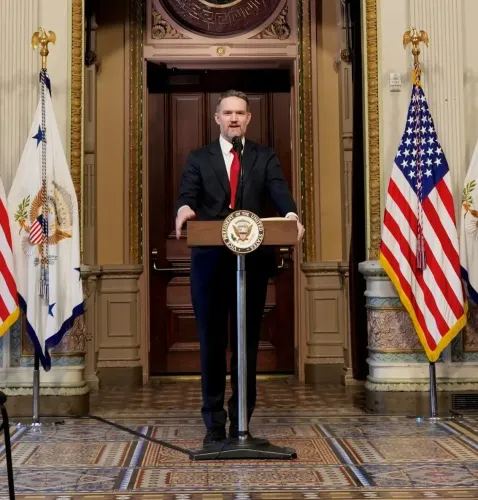
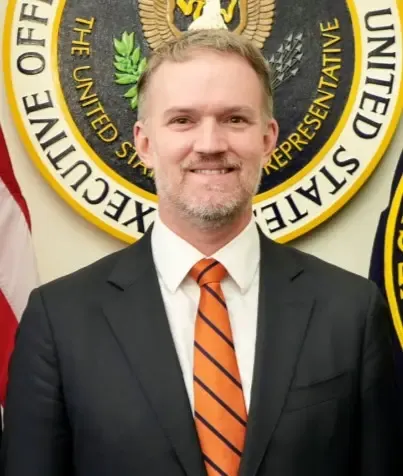
The investigation, revealed by US Trade Representative Jamieson Greer on Wednesday (local time), will scrutinize whether the policies of these nations unfairly enhance production and exports while hindering US trade.
During a press briefing, Greer expressed that the administration suspects certain trading partners have expanded their industrial capacity beyond what the market can support.
“We believe that key trading partners are generating production capacity that is not aligned with the market dynamics of domestic and international demand,” he stated.
This excess capacity can lead to a range of issues, including overproduction and persistent trade surpluses, along with underutilized and unutilized capacity, particularly within manufacturing sectors.
The inquiry will be conducted under Section 301 of the Trade Act of 1974, which permits Washington to react to foreign government practices deemed unfair or discriminatory if they hinder US commerce.
The countries under investigation include China, the European Union, Singapore, Switzerland, Norway, Indonesia, Malaysia, Cambodia, Thailand, South Korea, Vietnam, Taiwan, Bangladesh, Mexico, Japan, and India.
Greer indicated that the investigation is set to explore a broad spectrum of practices that may contribute to industrial overcapacity.
“These nations may show signs of excess capacity through various indicators, including their current account surpluses, bilateral trade surplus with the United States, underutilized or unused capacity, or overproduction levels,” he noted.
He further explained that government policies may be promoting production and exports in ways that distort market signals.
“This could involve promoting production and exports that are disconnected from the economic fundamentals of supply, demand, and investment, often supported through subsidies,” Greer mentioned.
Other elements highlighted by officials include state involvement in industries, financial assistance measures, and market barriers that might encourage production beyond domestic needs.
The Office of the US Trade Representative will now embark on a formal process that includes consultations, public comments, and hearings before arriving at any conclusions.
According to the timeline released by USTR, written comments and requests for hearing appearances can be submitted following the opening of a public docket on March 17, with the deadline for submissions set for April 15.
Public hearings before the inter-agency Section 301 Committee are slated to commence on May 5 in Washington.
Upon reviewing the written comments, hearing testimonies, and consultations with the implicated governments, the USTR will evaluate whether any foreign policies merit action under US trade law and if a response is necessary.
Greer stressed that this process is just the beginning, and the administration will thoroughly assess the evidence before making any decisions.
“We are initiating this investigation to gain a better understanding of these challenges and to effectively address them, while also pinpointing the drivers of these issues, which may differ from one country to another,” he said.
US officials have identified structural excess capacity in manufacturing as an increasing concern due to its potential to create lasting trade surpluses and global production that outpaces demand. Such imbalances can undermine industrial sectors in other economies and deter domestic investment.
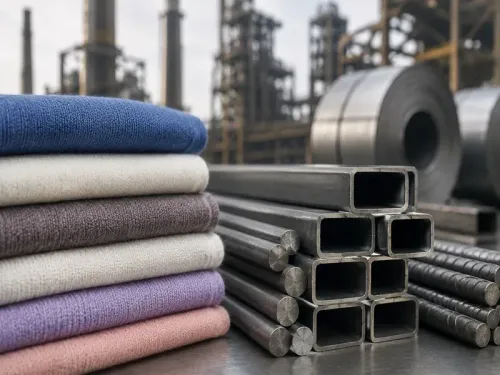
The investigation will cover various manufacturing industries, including automobiles, steel, electronics, chemicals, machinery, and solar modules, where policymakers assert that excess production capacity has become a recurring challenge in global trade.
Point of View
This trade investigation underscores the US's commitment to ensuring fair trade practices. It reflects a proactive approach in addressing concerns about industrial overcapacity, which could have significant implications for both domestic and international economies.
NationPress
20 Sept 2026
Frequently Asked Questions
What is the purpose of the US trade investigation?
The investigation aims to assess whether certain countries have excessive industrial capacity in manufacturing, potentially leading to unfair trade practices that impact US commerce.
Which countries are included in the probe?
The investigation targets India and 15 other nations, including China, the European Union, Japan, and South Korea, among others.
What could be the consequences of this investigation?
The investigation could lead to the imposition of tariffs or other trade measures against countries found to be engaging in unfair practices.
How will the investigation be conducted?
The inquiry will involve consultations, public comments, and hearings before the US Trade Representative makes any determinations.
When are the public hearings scheduled?
Public hearings are set to begin on May 5 in Washington.