EAM Jaishankar remembers 26/11 victims, vows zero tolerance
Synopsis
On the 26/11 anniversary, External Affairs Minister Dr. S. Jaishankar remembered innocent lives lost in the 2008 Mumbai terror attacks and saluted security personnel who died. He restated India's commitment to combat terrorism in all its forms and bring those involved to justice.
Key Takeaways
Union External Affairs Minister Dr.
Jaishankar remembered innocent lives lost in the 26/11 Mumbai terror attacks and saluted security personnel who made the supreme sacrifice.
He restated India's commitment to combating terrorism in all its forms and manifestations and to bringing those involved to justice.
The 26/11 attacks, from 26 to 29 November 2008, killed 166 people across multiple sites in Mumbai.
India suspended the composite dialogue with Pakistan after 26/11 and established the National Investigation Agency in December 2008.
Lashkar-e-Taiba has been widely identified as the perpetrator of the attacks.
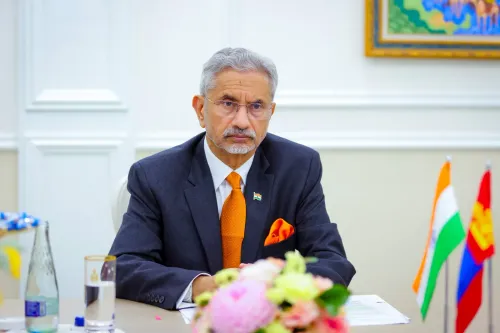
On 26 November 2026, the anniversary of the Mumbai terror attacks, Union External Affairs Minister Dr. S. Jaishankar remembered the innocent lives lost and saluted the security personnel who made the supreme sacrifice. The line that followed was the same India has held since that week in 2008: combat terrorism in all its forms, bring those involved to justice, and offer zero tolerance.
In his post he wrote: 'Remember innocent lives lost & salute the brave security personnel who made the supreme sacrifice during 26/11 Mumbai terror attacks. Committed to combating terrorism in all its forms & manifestations and bringing those involved to justice. Zero tolerance for terrorism.' The remembrance carried the tag #NeverForget.
Four days, 166 dead, a city under fire
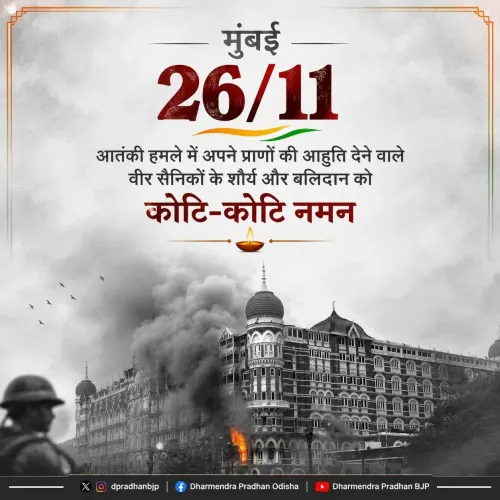
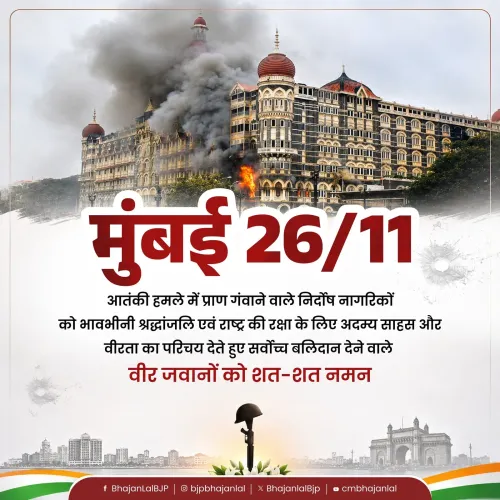
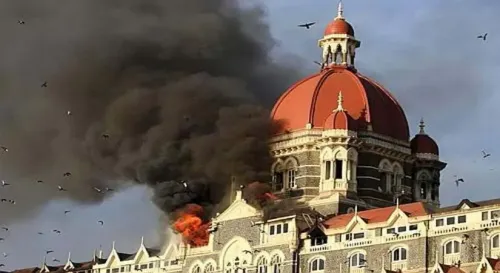
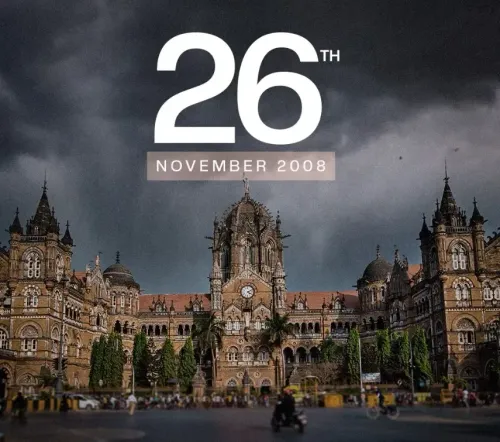
The coordinated assaults began on 26 November 2008 and ran until 29 November. They killed 166 people, among them Indian civilians, security personnel and foreign nationals. Gunmen struck hotels, a railway terminus, a hospital and other crowded sites, turning Mumbai into a battlefield for nearly four days.
Lashkar-e-Taiba, a Pakistan-based militant group designated as a terrorist organisation by India and several other countries, has been widely identified as the perpetrator. For the families of the dead, and for the forces who answered the calls that week, the date has never receded into history.
From the dialogue freeze to the NIA
India's reply after 26/11 was institutional as well as operational. New Delhi suspended the composite dialogue with Pakistan in late 2008. Parliament then created the National Investigation Agency that December, giving the Union government a dedicated body to investigate and prosecute terrorism cases, including 26/11.
Dr. Jaishankar, External Affairs Minister since 2019 and a former Foreign Secretary and ambassador to the United States, China and Singapore, has made counter-terrorism diplomacy a standing brief. Annual commemorations by senior ministers keep one public line intact: zero tolerance, and a demand that those involved be brought to justice through legal and diplomatic channels.
The justice file that has not closed
The minister's phrasing — 'combating terrorism in all its forms and manifestations' — tracks language India has used for years in bilateral and multilateral forums. The post announced no new extradition and no new prosecution. It restated a standing national position on a day when the country still counts its dead.
Eighteen years on, the names still matter. So does the unfinished file: justice for 26/11, and a line India refuses to blur.
Point of View
And no amnesia about Mumbai. By pairing remembrance with the demand to bring those involved to justice, the External Affairs Minister keeps a diplomatic file open that New Delhi has never treated as closed. The creation of the NIA and the freeze on the composite dialogue remain the institutional aftershocks of that week. The same vocabulary is likely to reappear at the next multilateral counter-terrorism meeting; the domestic tribute is also a foreign-policy cue.
NationPress
26 Nov 2026
Frequently Asked Questions
What did S Jaishankar say on the 26/11 anniversary?
He remembered innocent lives lost, saluted security personnel who made the supreme sacrifice, and said India is committed to combating terrorism in all its forms and bringing those involved to justice, with zero tolerance for terrorism.
When did the 26/11 Mumbai terror attacks take place?
The coordinated attacks began on 26 November 2008 and continued until 29 November 2008 across multiple sites in Mumbai.
How many people were killed in the 26/11 Mumbai attacks?
The attacks killed 166 people, including security personnel and foreign nationals.
Which group is identified with the 26/11 Mumbai attacks?
Lashkar-e-Taiba, a Pakistan-based militant group designated as a terrorist organisation by India and several other countries, has been widely identified as the perpetrator.
What steps did India take after 26/11?
India suspended the composite dialogue with Pakistan after the attacks in late 2008, and the National Investigation Agency was established by legislation in December 2008 to investigate and prosecute terrorism cases including 26/11.