Subhash Ghai bunked school to watch Raj Kapoor, Guru Dutt classics
Synopsis
Subhash Ghai has admitted he regularly bunked school and college to watch films by Raj Kapoor, Guru Dutt, Hrishikesh Mukherjee and Yash Chopra — calling those stolen hours in cinema halls his real film school, years before he ever reached FTII Pune. The confession reframes one of Bollywood's most commercially successful careers as rooted in cinephile obsession, not just craft training.
Key Takeaways
Subhash Ghai revealed he regularly skipped school and college to watch films by Raj Kapoor , Guru Dutt , Hrishikesh Mukherjee , and Yash Chopra .
He described those cinema outings as his 'silent learning of Indian filmmaking.' Ghai enrolled at the Film and Television Institute of India (FTII) , Pune , at age 22 .
His directing career spans five decades and includes Karz , Ram Lakhan , Khal Nayak , Pardes , and Taal .
He is credited with launching Jackie Shroff and Meenakshi Seshadri through the 1983 film Hero .
Veteran filmmaker Subhash Ghai has revealed that his film education began long before he enrolled at any institution — in darkened theatres he slipped into after skipping school and college. In a recent social media post, the director shared how watching the works of Raj Kapoor, Guru Dutt, Hrishikesh Mukherjee, Yash Chopra, and other cinema legends became his 'silent learning of Indian filmmaking.'
The Post That Started the Conversation
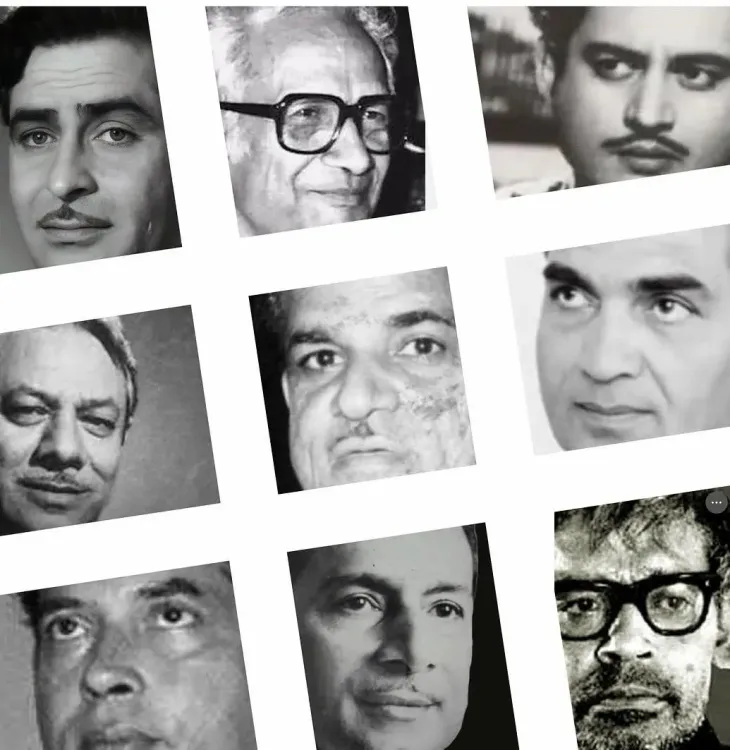
Ghai shared a black-and-white collage featuring some of the filmmakers who shaped his creative sensibility. Alongside the image, he wrote: 'When you like a film: that's a HIT film. When you discuss a film: that is a good film. When you remember a film: that's a classic film.'
He added in his own words: 'I used to escape from my school n college to watch their films which became my silent learning of Indian filmmaking till I reached FTII Film School Pune at age of 22 n connected to world cinema. Though professionally I preferred to join commercial cinema in Mumbai. With my deepest respect to these of my favourite filmmakers always.'
From Truant Schoolboy to Bollywood Showman
The admission is more than a nostalgic anecdote — it traces the origin of one of Hindi cinema's most commercially instinctive minds. Subhash Ghai went on to build a directing career spanning five decades, delivering blockbusters including Karz, Ram Lakhan, Khal Nayak, Pardes, and Taal. He is also credited with launching Jackie Shroff and Meenakshi Seshadri through the 1983 blockbuster Hero.
The FTII Connection
Ghai's informal apprenticeship in cinema halls eventually gave way to formal training at the Film and Television Institute of India (FTII) in Pune, which he joined at the age of 22. It was there, he says, that he connected with world cinema — though his professional instincts ultimately pulled him toward the commercial mainstream of Mumbai. Notably, FTII has produced some of India's most celebrated filmmakers, and Ghai's trajectory — from truant cinephile to showman director — reflects a path that blends instinct with craft.
Why the Legends He Named Matter
The filmmakers Ghai cited are not incidental choices. Raj Kapoor defined the populist musical spectacle; Guru Dutt brought poetic melancholy to mainstream Hindi cinema; Hrishikesh Mukherjee mastered middle-of-the-road humanist drama; and Yash Chopra elevated romantic grandeur into a visual language. That Ghai absorbed all four sensibilities — and then channelled them into mass entertainers — helps explain the emotional scale of films like Taal and the raw energy of Khal Nayak. His post, framed as a tribute, doubles as a quiet manifesto about where great commercial cinema actually comes from.
Point of View
But it points to something the film industry rarely acknowledges: that India's most commercially instinctive directors were often self-taught cinephiles before they were trained filmmakers. The FTII gave Ghai a framework, but Raj Kapoor and Guru Dutt gave him a grammar. What's worth noting is how rarely that informal apprenticeship — the hours spent in single-screen theatres absorbing storytelling by osmosis — gets credited in the standard account of a filmmaker's formation. In an era when film schools are increasingly the gatekeepers of 'legitimate' cinema careers, Ghai's admission is a quiet argument for the irreplaceable education of simply watching great films, obsessively and without permission.
NationPress
1 Oct 2026
Frequently Asked Questions
Which filmmakers inspired Subhash Ghai during his school days?
Subhash Ghai has named Raj Kapoor, Guru Dutt, Hrishikesh Mukherjee, and Yash Chopra as the filmmakers whose films he would bunk school and college to watch. He shared a black-and-white collage of these cinema legends alongside his tribute post on social media.
Where did Subhash Ghai study filmmaking formally?
Ghai enrolled at the Film and Television Institute of India (FTII) in Pune at the age of 22. He has said it was there that he connected with world cinema, though he ultimately chose to pursue commercial filmmaking in Mumbai.
What films has Subhash Ghai directed?
Subhash Ghai has directed iconic Hindi films including Karz, Ram Lakhan, Khal Nayak, Pardes, and Taal over a career spanning five decades. He is also known for launching Jackie Shroff and Meenakshi Seshadri through the 1983 blockbuster Hero.
What did Subhash Ghai say about the difference between a hit, a good film, and a classic?
In his social media post, Ghai wrote: 'When you like a film: that's a HIT film. When you discuss a film: that is a good film. When you remember a film: that's a classic film.' The quote accompanied a collage of filmmakers he admires.
Who did Subhash Ghai launch in Bollywood?
Subhash Ghai is credited with launching actors Jackie Shroff and Meenakshi Seshadri in Bollywood through the 1983 blockbuster Hero, which became one of the defining commercial hits of that decade.