What Does Subhash Ghai Think About Communal Undertones in the Film Industry?
Synopsis
Veteran filmmaker Subhash Ghai weighs in on the ongoing debate about communal undertones in the film industry, emphasizing the long-standing nature of these issues and the importance of focusing on one's craft amid societal discussions.
Key Takeaways
Subhash Ghai addressed the issue of communal undertones in the film industry.
This debate is not new and has historical roots.
Focus on creativity is crucial for artists.
Public interpretations of comments should be cautious.
Communal harmony remains an ongoing discussion in society.
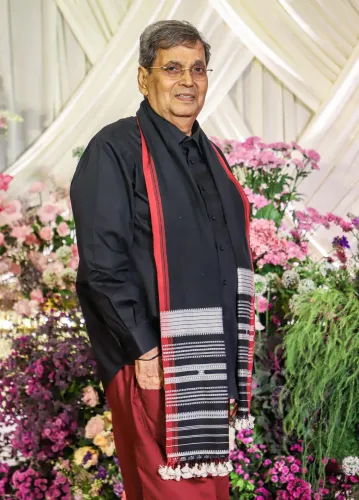
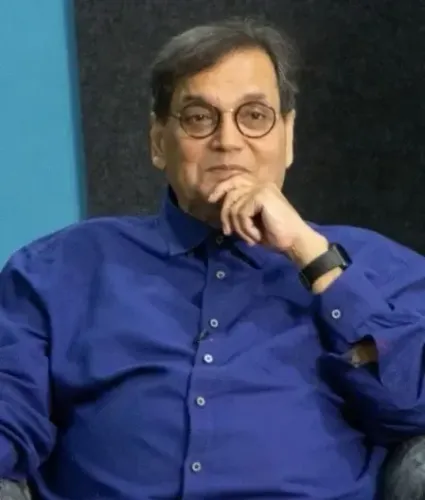
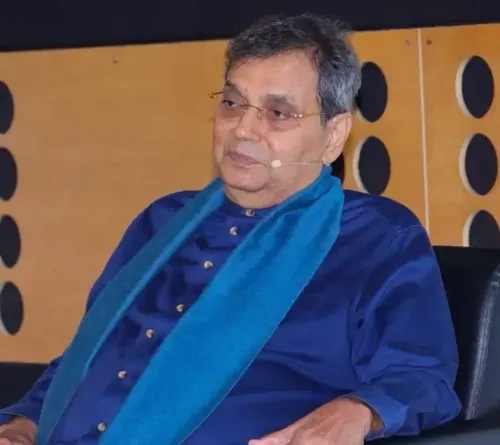
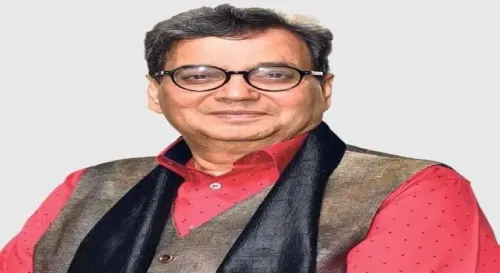
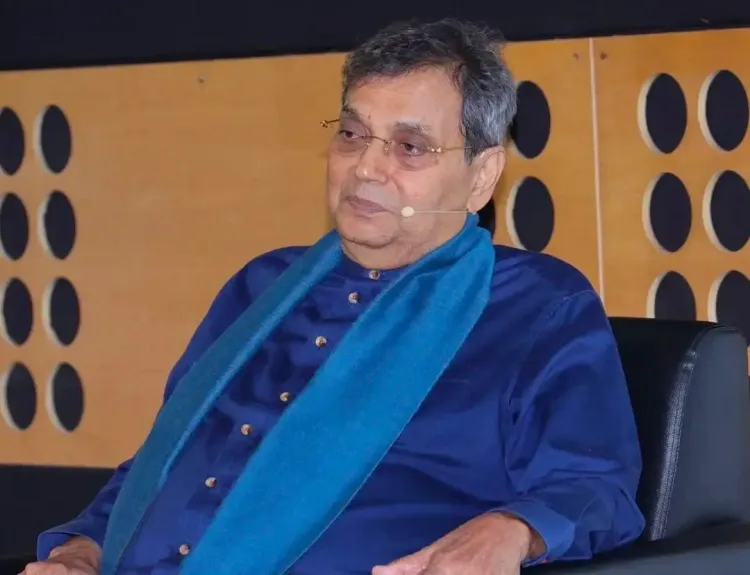
Mumbai, Jan 27 (NationPress) Renowned filmmaker Subhash Ghai has addressed the ongoing conversation regarding the communal undertones present in the film industry.
He subtly dismissed the accusations made by various artists, including A R Rahman, asserting that this issue is a long-standing phenomenon in the industry and not a new topic to deliberate.
In an exclusive interview with IANS, the creator of 'Taal' expressed that this concern has been prevalent in society for many years, and those committed to their craft tend to remain unaffected by such discussions.
When asked, "The film industry is perceived as a progressive space, yet there are instances where communal undertones emerge. Do you believe the industry is entirely insulated from these societal cracks?"
Ghai responded, "I was born in Nagpur and completed my education in Delhi. We resided in Chandani Chowk. This issue was present when I was in the 8th grade, continued through my college years, and persisted when I relocated to Mumbai."
He added, "The discourse surrounding communal harmony will forever be relevant. Issues like communal disturbances, unrest, and unemployment have been topics of discussion for years and will remain so in the future."
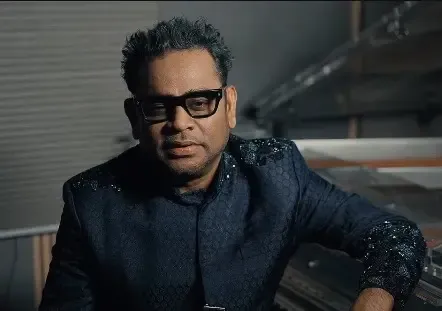
Ghai's remarks follow A R Rahman's recent statement regarding receiving limited work opportunities in Bollywood.
The Oscar-winning composer mentioned in a media interaction, "Individuals lacking creativity now wield decision-making power, which could also have communal implications, but not directly towards me."
After facing significant backlash, Rahman clarified his comments, stating he did not intend to offend anyone and feels fortunate to be an Indian.
During his conversation, Ghai emphasized that one should refrain from overinterpreting anyone's comments.
"Avoid escalating the issue by attempting to decipher the meaning behind a single statement. Those who are focused on their work remain unaffected and continue to pursue their craft, while those inclined towards politics are doing just that," he concluded.
Point of View
It's vital to recognize that communal discussions, while significant, have been part of the fabric of society and the film industry for decades. Subhash Ghai's perspective brings a seasoned viewpoint to the ongoing discourse. It's essential to focus on the craft and not let external politics overshadow artistic expression.
NationPress
28 Sept 2026
Frequently Asked Questions
What did Subhash Ghai say about communal undertones in the film industry?
Subhash Ghai stated that communal undertones in the film industry are an age-old phenomenon and emphasized the importance of focusing on one's work instead of getting caught up in societal discussions.
What was A R Rahman's comment regarding his work opportunities?
A R Rahman remarked that he has received limited work offers in Bollywood, implying that decision-makers lacking creativity may have communal biases.
How did A R Rahman clarify his comments?
After backlash, A R Rahman clarified that he did not intend to offend anyone and feels blessed to be an Indian.