Somnath Temple visit: Ayodhya residents hail PM Modi's May 11 trip
Synopsis
As PM Modi prepares to visit Somnath Temple on 11 May for its 75th re-consecration anniversary, Ayodhya's residents — from religious leaders to local citizens — are framing the moment as proof that India's cultural traditions outlast every attempt to erase them. For a city that recently witnessed its own temple restoration, the parallel carries personal weight.
Key Takeaways
PM Modi will visit the Somnath Temple in Gujarat on 11 May for a ceremony marking 75 years since the temple's restoration and inauguration.
Jagadguru Paramhansacharya of Tapasvi Chhavni called Modi a representative of Sanatan culture and described Somnath as "the soul of India's culture." Ayodhya Mayor Girish Pati Tripathi noted Somnath is the first of India's 12 Jyotirlingas and linked its revival to Ayodhya's Ram Temple restoration after a 500-year struggle.
Local resident Nitin Mishra called both the Somnath and Ram Temples "symbols of our cultural renaissance." The Somnath Temple was originally restored in the post-Independence era, with Sardar Vallabhbhai Patel playing a key role in its reconstruction.
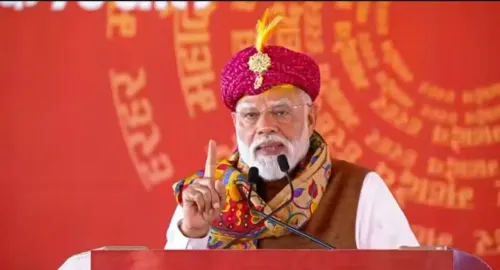
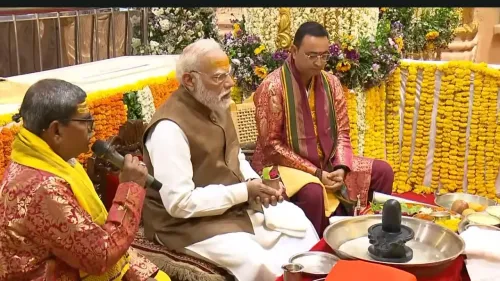
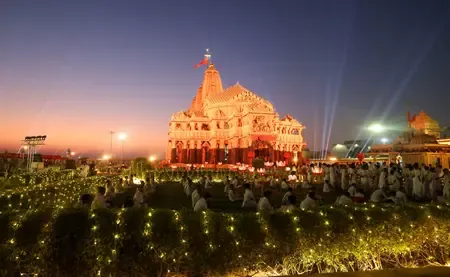
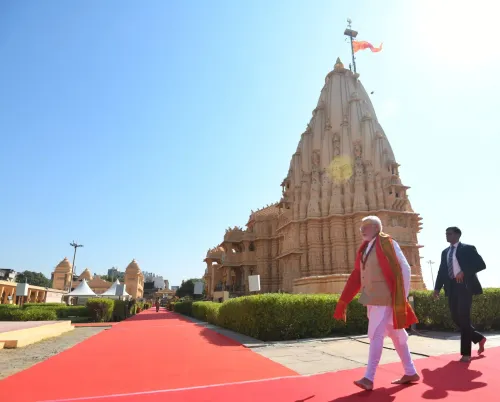
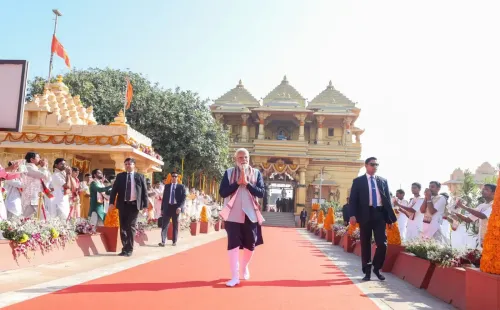
Residents of Ayodhya on Friday, 8 May welcomed Prime Minister Narendra Modi's upcoming visit to the Somnath Temple in Gujarat, scheduled for 11 May, calling the shrine a living symbol of India's cultural resilience. Modi is set to attend a ceremony marking 75 years since the inauguration of the restored temple — an occasion that has drawn widespread commentary on heritage, faith, and national identity.
Voices from Ayodhya
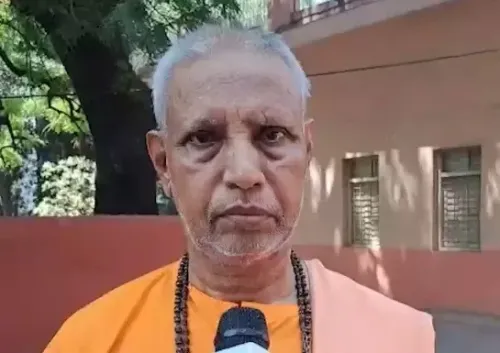
Jagadguru Paramhansacharya, Head (Peethadheeshwar) of Tapasvi Chhavni, described Modi as a representative of all those who follow Sanatan culture. "Prime Minister Modi is reviving India's culture which was tarnished during the period of Mughal rule. Somnath Temple is the soul of India's culture," he said. He emphasised that India's cultural traditions have endured for several thousand years despite repeated attempts to suppress them.
Ayodhya Municipal Corporation Mayor Girish Pati Tripathi noted that the Somnath Temple holds a dual significance — as the first of the country's 12 Jyotirlingas and as a symbol of India's spiritual heritage. "The Somnath Temple reflects that those cultures and traditions cannot be destroyed whose followers are determined to revive them," he said. Drawing a parallel with the Ram Temple in Ayodhya, he added: "As residents of Ayodhya, it is a matter of pride for us that after 500 years of struggle, we could revive our cultural heritage."
Broader Sentiment Among Residents
Journalist Raghuvar Sharan said the Somnath Temple represents the pride and struggles of an entire community, and that remembering its history "would be inspiring for all Indians." He noted that Modi's broader aim, in his view, is to direct public attention toward the country's heritage and shared history.
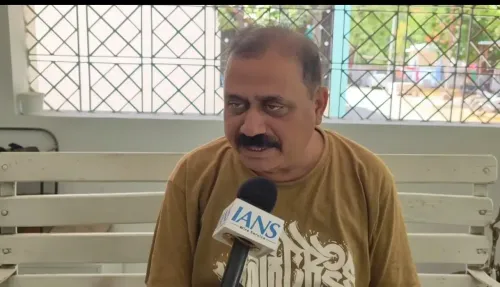
Local resident Nitin Mishra described the Somnath Temple as "the primary centre of people's devotion despite having come under attack multiple times." He drew a direct link between the temple and the Ram Temple in Ayodhya, calling both "symbols of our cultural renaissance." "Our heritage is a reflection of the fact that our Sanatan has been so prosperous that no number of attacks will be able to destroy it," he said.
The Significance of May 11
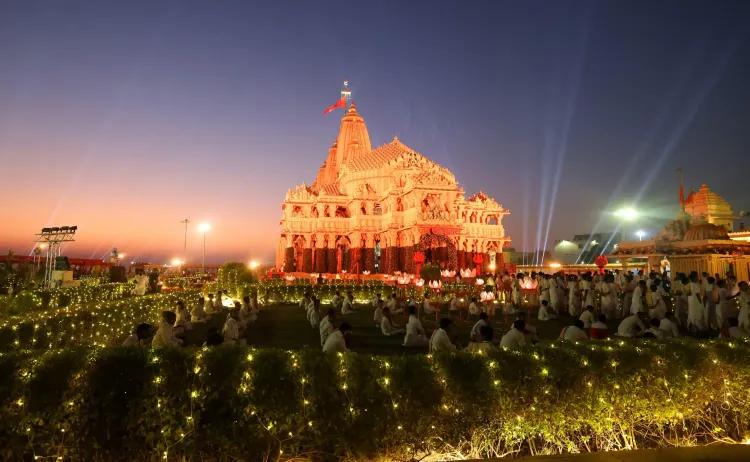
The 11 May ceremony at Somnath commemorates the 75th anniversary of the temple's re-consecration, a milestone that holds deep historical resonance. The original Somnath Temple was reportedly destroyed and rebuilt multiple times over centuries before being restored in the post-Independence era under the stewardship of then-Home Minister Sardar Vallabhbhai Patel. This coming ceremony is seen as an occasion to mark that arc of destruction and revival — themes that resonate strongly with residents of Ayodhya, who witnessed the consecration of the Ram Temple after a prolonged legal and social struggle.
What to Watch
Modi's visit is expected to draw significant national attention, with the event likely to be broadcast widely. The occasion arrives at a time when heritage sites and their cultural symbolism have become prominent in public discourse across India. How the government frames the 75-year milestone — and what announcements, if any, accompany the ceremony — will be closely watched by both devotees and political observers.
Point of View
Reinforcing a broader narrative of cultural reclamation. Critics may argue this blurs the line between state and religion; supporters see it as a legitimate acknowledgment of civilisational continuity. Either way, the government's decision to mark the 75th anniversary with a prime ministerial visit signals that heritage politics will remain central to the BJP's cultural agenda ahead of upcoming electoral cycles.
NationPress
21 Sept 2026
Frequently Asked Questions
Why is PM Modi visiting the Somnath Temple on 11 May?
PM Modi is attending a ceremony on 11 May marking 75 years since the inauguration of the restored Somnath Temple in Gujarat. The event commemorates the temple's post-Independence reconstruction, which was spearheaded by Sardar Vallabhbhai Patel.
What is the significance of the Somnath Temple?
The Somnath Temple is considered the first of India's 12 Jyotirlingas and holds deep religious and cultural significance. It was reportedly destroyed and rebuilt multiple times over centuries before being restored after Indian Independence.
What did Ayodhya residents say about PM Modi's Somnath visit?
Residents including Mayor Girish Pati Tripathi, religious leader Jagadguru Paramhansacharya, journalist Raghuvar Sharan, and local resident Nitin Mishra hailed the visit, calling Somnath a symbol of India's cultural resilience and drawing parallels with the Ram Temple restoration in Ayodhya.
How does the Somnath Temple connect to Ayodhya's Ram Temple?
Both temples are being cited by Ayodhya residents as symbols of cultural revival — the Ram Temple after a 500-year struggle, and Somnath after centuries of destruction and rebuilding. Mayor Tripathi described both as emblems of the Sanatan culture's renaissance.
Who restored the Somnath Temple after Independence?
The Somnath Temple was restored in the post-Independence era with Sardar Vallabhbhai Patel playing a central role in its reconstruction and re-consecration, which took place 75 years before the upcoming May 2025 ceremony.