Meenakshi Seshadri praises Rishi Kapoor's driving in Damini's iconic song shot

Synopsis
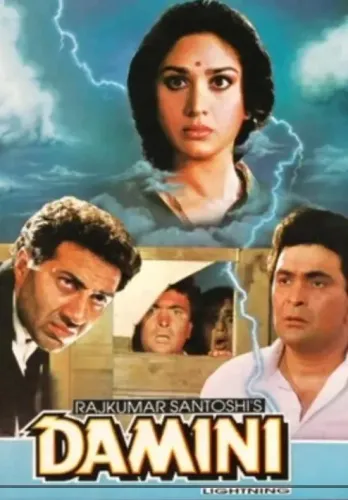
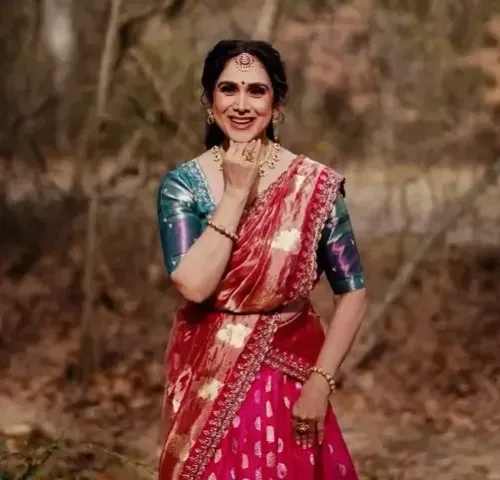
On the 33rd anniversary of Damini, Meenakshi Seshadri shared a candid behind-the-scenes moment revealing how Rishi Kapoor's composed driving made a physically demanding car sequence work — a stunt-like shot that required both technical precision and romantic on-camera presence. Her tribute underscores the collaborative craft that defined 1990s Hindi cinema's golden-age dramas.
Key Takeaways
Meenakshi Seshadri marked the 33rd anniversary of Damini , released in 1993 .
The iconic song Jabse Tumko Dekha Hai Sanam featured a challenging opening shot with Meenakshi sitting atop a moving car in Mysore .
Rishi Kapoor handled the driving with precision, enabling the shot to be executed safely while maintaining romantic on-camera mood.
Damini , directed by Rajkumar Santoshi , starred Sunny Deol , Amrish Puri , Kulbhushan Kharbanda , and Rohini Hattangadi .
The film remains celebrated for Sunny Deol 's courtroom sequences and Meenakshi 's acclaimed portrayal of a woman fighting for justice.
Veteran actor Meenakshi Seshadri on Thursday marked the 33rd anniversary of her landmark film Damini, sharing a behind-the-scenes recollection of how late actor Rishi Kapoor's composed driving skills made a technically demanding sequence possible. The actress revealed that the opening shot of the romantic ballad Jabse Tumko Dekha Hai Sanam required her to sit atop a moving vehicle while maintaining both stability and on-camera grace — a feat she likened to performing a stunt.
The challenging car sequence
Shot against the lush greenery of Mysore, the sequence demanded significant physical coordination. Meenakshi recalled that it took "all my agility to stay firm but still look relaxed and romantic" while balanced on the moving car. Rather than relying on safety rigs or post-production tricks, the shot was executed practically, placing considerable demands on both the lead actor and the driver.
Rishi Kapoor's role behind the wheel
Rishi Kapoor handled the driving duties with precision, maintaining steady control of the vehicle while synchronising with the camera crew's movements. Meenakshi credited his calm demeanour and technical proficiency for keeping her stable throughout the take, allowing the camera to capture the romantic mood the song required without compromising her safety or the shot's aesthetic quality.
Damini's legacy
Directed by Rajkumar Santoshi, Damini released in 1993 with an ensemble cast including Sunny Deol, Amrish Puri, Kulbhushan Kharbanda, and Rohini Hattangadi. The film's narrative centred on a morally principled woman who pursues justice after witnessing a grave crime committed by her brother-in-law and his associates, only to face abandonment by her own family. Meenakshi's portrayal became one of Indian cinema's most acclaimed female performances of that era.
Cultural impact and iconic moments
Beyond the romantic sequences, Damini is remembered for Sunny Deol's fiery courtroom performances and lines that entered popular lexicon, including the famous monologue "Tarikh pe tarikh…" The film's exploration of justice, morality, and a woman's agency resonated with audiences and critics alike, cementing its place in Hindi cinema's golden-age narrative drama canon.
Point of View
Khuda Gawah, Chandni — was built on practical craft, not digital shortcuts. A stunt-like car shot required not just an actor's nerve but a co-star's precision driving and a director's trust in real execution. That collaborative discipline has largely given way to VFX and green screens. The fact that Rishi Kapoor could hold a moving vehicle steady enough for a romantic close-up while a camera tracked alongside speaks to a lost standard of on-set professionalism.
NationPress
24 Sept 2026
Frequently Asked Questions
What was the challenging shot in Damini's Jabse Tumko Dekha Hai Sanam?
The opening shot of the song featured Meenakshi Seshadri sitting atop a moving car against the scenic backdrop of Mysore. The sequence required her to maintain physical balance while appearing relaxed and romantic on camera — a feat she described as nearly equivalent to performing a stunt.
How did Rishi Kapoor contribute to making the shot work?
Rishi Kapoor, who was driving the car, displayed precise control and coordination with the camera crew. His calm driving skills kept the vehicle steady, enabling Meenakshi to maintain her balance and allowing the camera to capture the romantic mood without compromising safety or shot quality.
When was Damini released and who directed it?
Damini was released in 1993 and was directed by Rajkumar Santoshi. The film starred Meenakshi Seshadri, Rishi Kapoor, Sunny Deol, Amrish Puri, Kulbhushan Kharbanda, and Rohini Hattangadi.
What is the plot of Damini?
Damini follows a morally principled woman who witnesses a grave crime committed by her brother-in-law and his associates. She pursues justice for her house help, only to face abandonment by her own family. The film explores themes of justice, morality, and a woman's agency in a patriarchal setting.
Why is Damini remembered as a significant film?
Damini is celebrated for Meenakshi Seshadri's acclaimed portrayal of a strong female lead, Sunny Deol's powerful courtroom scenes with iconic dialogues, and its exploration of justice and morality. It remains a landmark Hindi cinema drama from the 1990s golden age.