Ranveer Brar Highlights Agriculture as Society's Cornerstone
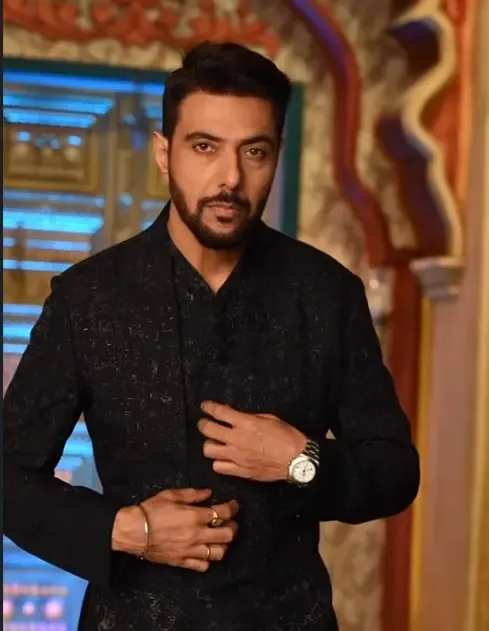
Synopsis
Celebrity chef Ranveer Brar discusses how agriculture shapes tradition and culture. Drawing from his farming background, he emphasizes the importance of harvest in culinary practices and food storytelling.
Key Takeaways
Agriculture is the foundation of culture.
Harvest festivals hold deep significance.
Food connects us to tradition and community.
Personal experiences shape culinary practices.
Harvest meals symbolize effort and gratitude.
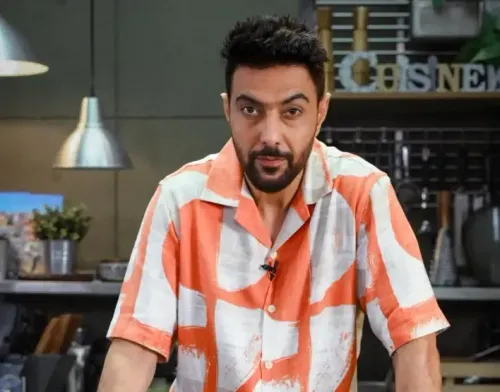
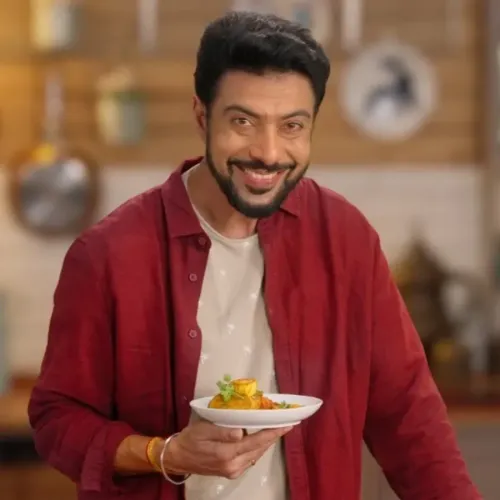
Mumbai, March 8 (NationPress) Renowned chef Ranveer Brar, who has just concluded the 9th season of the popular cooking competition ‘MasterChef India’, emphasized that agriculture serves as the bedrock of both tradition and culture.
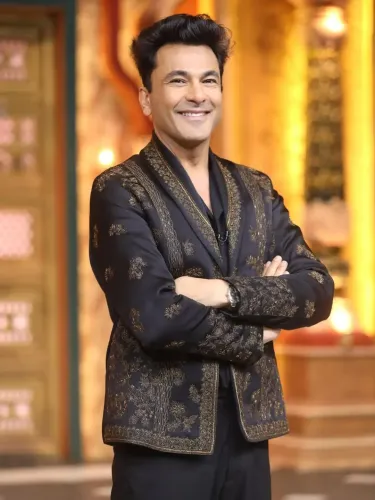
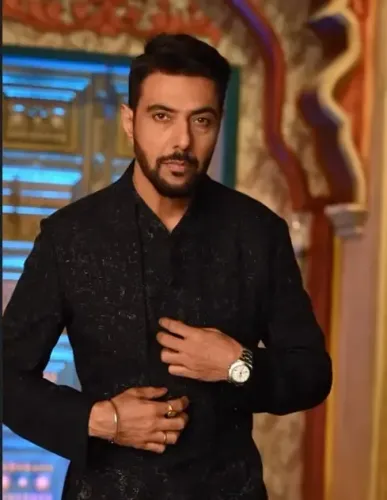
During an interview with IANS on the set of ‘MasterChef India’, while filming the finale alongside chefs Vikas Khanna and Kunal Kapur, he articulated that cultures evolve over many years.
He noted, “Ultimately, what influences food? It's agriculture. You will cook with what is available. Following that, various styles and cultures contribute additional layers. At times, a particular religion’s customs dictate what we consume.”
Brar further elaborated, “Cultural factors like gender dynamics or seasonal changes also introduce different dimensions. Agriculture remains the core foundation that enriches our cuisine and culture, and this is indisputable.”
Previously, Ranveer has expressed that harvest festivals in India represent much more than mere symbolism; they are deeply intertwined with the labor, patience, and realities of agricultural life. Having grown up in a farming household, his formative years were influenced by the cycles of agriculture.
As he shared with IANS, “Coming from a farming lineage, I perceive harvest festivals as tangible events rather than symbolic. I was raised amidst fields, observing the growth of crops and the changing atmosphere in our home depending on the seasons. Food was intrinsically linked to effort, climate, and patience.”
He remarked that his upbringing continues to impact his culinary practices today. Discussing the harvest specialties that hold a special place in his heart, Brar stated that dishes crafted from freshly harvested grains and vegetables evoke powerful emotions.
He explained, “When you're raised in a farming context, the food from the harvest feels hard-earned. For me, meals made from newly harvested grains and greens resonate differently, especially winter dishes like saag, makki ki roti, and simple dals. These meals were never about luxury; they represented recuperation, nourishment, and appreciation after months of hard work.” Reflecting on a cherished childhood memory, Brar recalled how harvest meals were often prepared in a communal spirit. “One vivid memory is how we collectively cooked during harvest times. After long hours in the fields, we would prepare large portions of food, which were shared and enjoyed by many. There was no hurry, no plating, just a sense of relief and togetherness.”
Growing up in such a nurturing environment instilled in him the belief that food is inherently a communal experience. Brar asserts that harvest cuisine is the most genuine expression of food storytelling, both in India and around the globe.
Point of View
Celebrity chef Ranveer Brar sheds light on the integral role agriculture plays in shaping traditions and cultures. His reflections on food and harvest resonate deeply, especially given his personal background in farming. This narrative underscores the communal essence of food and the profound impact of agricultural practices on culinary experiences.
NationPress
29 Sept 2026
Frequently Asked Questions
Why does Ranveer Brar consider agriculture fundamental?
Brar believes that agriculture is the core of food and culture, influencing what we cook and eat based on availability and tradition.
How did Ranveer's upbringing affect his culinary style?
Growing up in a farming family, Brar's culinary practices are heavily influenced by the seasonal cycles and the hard work associated with agriculture.
What does Ranveer say about harvest festivals?
He views harvest festivals as significant events tied to effort and reality, rather than mere symbols.
What emotions does Ranveer associate with harvest food?
He feels that harvest food represents hard-earned nourishment and carries deep emotional connections.
What does Brar believe about communal cooking?
He emphasizes that food is inherently communal, reflecting a sense of togetherness during harvest times.