What are Vikas Khanna’s cherished childhood Lohri memories?
Synopsis
Celebrity chef Vikas Khanna reminisces about his formative Lohri celebrations in Amritsar, highlighting how the atmosphere of harvest festivals influenced his culinary journey. His fond memories intertwine food, culture, and deep gratitude, offering a glimpse into the essence of Indian harvest cuisine.
Key Takeaways
Vikas Khanna cherishes his childhood memories of Lohri celebrations, which shaped his culinary journey.
The atmosphere of harvest festivals fosters a deep appreciation for food.
Traditional dishes like sarson da saag hold emotional significance.
Harvest cuisine emphasizes the importance of simplicity and gratitude.
Food storytelling is a vital aspect of connecting with culture and heritage.
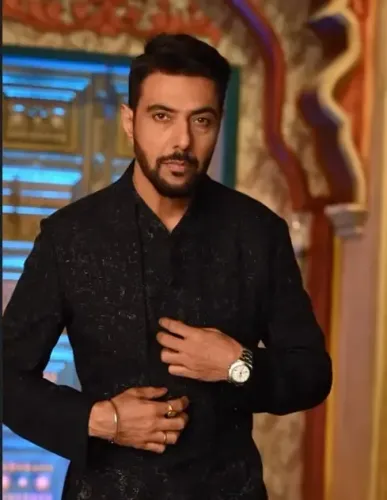
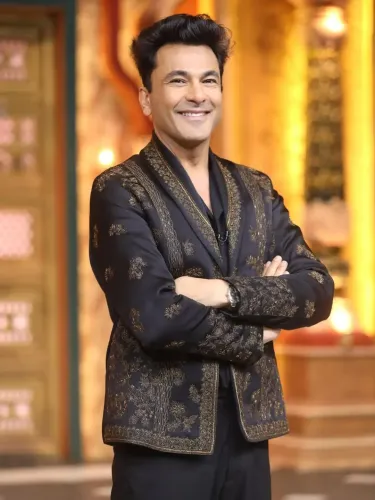
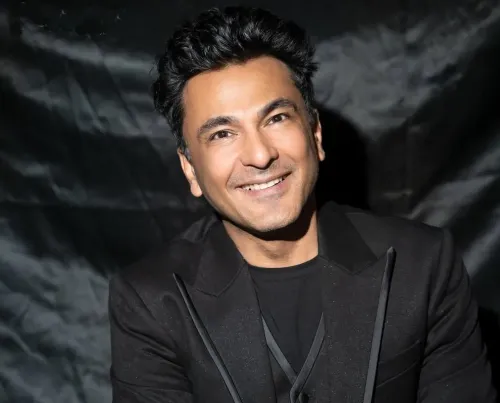
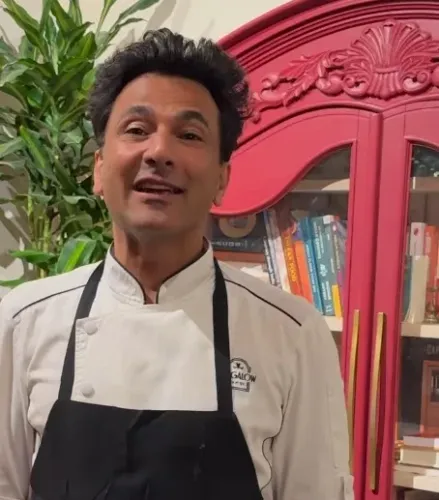
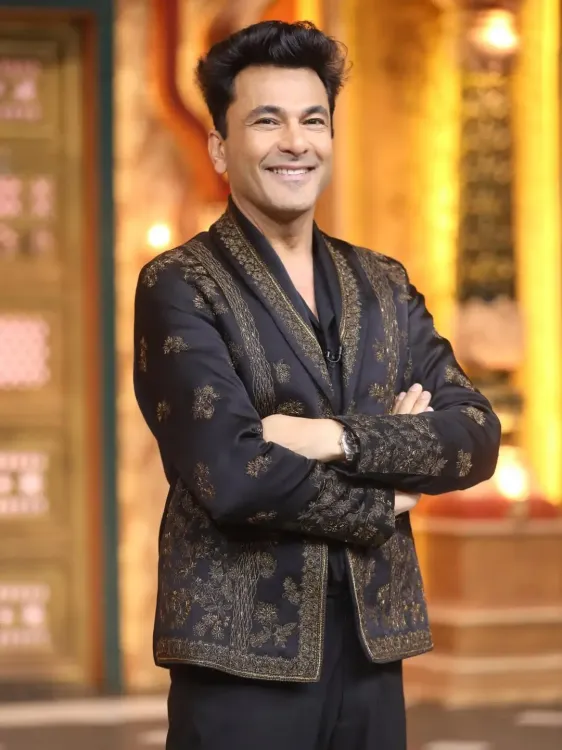
Mumbai, Jan 13 (NationPress) Celebrated chef Vikas Khanna has nostalgically revisited his childhood memories of Lohri celebrations in Amritsar. He emphasized that harvest festivals during his formative years were more than mere events; they were a vibrant atmosphere that significantly influenced his culinary journey.
When asked if a specific childhood memory linked to a harvest festival meal continues to inspire him today, Vikas responded affirmatively: “Absolutely, very profoundly.”
“In my childhood in Amritsar, harvest festivals transformed into a rich ambiance,” the renowned chef shared with IANS.
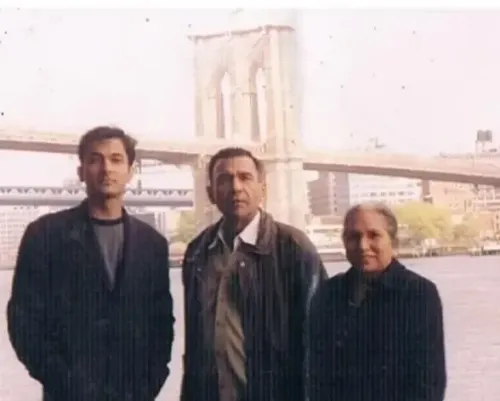
Reflecting on the deep impact of those memories, Vikas recounted how Lohri evenings were imbued with the warmth of bonfires, the melodies of folk songs, and the sight of his mother lovingly crafting traditional treats.
“I can still recall those Lohri nights—the cozy bonfire, the harmonious folk tunes, and my mother’s meticulous food preparation. The kitchen was filled with the delightful scents of jaggery, peanuts, rewri, and gajak, and that aroma remains etched in my memory.”
Beyond the delectable dishes, what resonated with him was the profound sense of reverence that preceded each meal.
“The most inspiring memory is this: Before we dined, there was always an unspoken sense of prayer, felt deeply within. In our household, harvest symbolized one key principle: never take food for granted. This lesson is something I carry with me into everything I do, including MasterChef India, where food intertwines with narrative, culture, and soul.”
When asked about his cherished festive dish, he stated: “It will always be the Punjab harvest delicacy—sarson da saag and makki di roti. It’s more than just a meal; it’s an emotion.”
Vikas elaborated that it embodies the essence of the fields, the warmth of the winter sun, and the sound of families gathered around.
“The initial spoonful of saag with ghee serves as a reminder that India’s true strength lies in its land and its people. I admire how harvest cuisine across India—including til-gud, pongal, pitha, and payasam—may differ in appearance, yet the underlying emotion remains constant: gratitude. This embodies the essence of the Harvest Special—celebrating India through its harvest stories.”
Harvest festivals hold a significant place in India’s agrarian culture. Vikas explained how these festivities shape culinary traditions and cooking ideologies.
He noted that harvest celebrations remind us that food originates not from kitchens but from the earth.
“India’s cooking philosophy has consistently been deeply seasonal, respectful, and filled with gratitude. When we honor the harvest, we honor the laborers of the land, the rhythm of nature, and the sanctity of grains.”
“Thus, every harvest festival, including Pongal, Lohri, Baisakhi, Makar Sankranti, Bihu, and Onam, transcends mere feasting—it’s about honoring the purest ingredients: fresh rice, jaggery, sesame, lentils, fresh coconut, and sugarcane.”
For Vikas, the essence of harvest cuisine imparts a valuable lesson: “simplicity is the ultimate luxury.”
He believes that harvest cuisine exemplifies the most genuine form of food storytelling, both in India and worldwide.
“I firmly believe that harvest cuisine represents the most authentic food narrative—free of pretense. It is food born from necessity, nature, and nourishment. Harvest cuisine reflects what the land provides and how it is transformed with knowledge passed down through generations. It’s not about trends; it’s about truth.”
“Globally, the finest cuisines are founded on harvest principles—rice cultures, bread cultures, corn cultures. While ingredients may vary, the sentiment remains universal: celebrating abundance while respecting scarcity.”
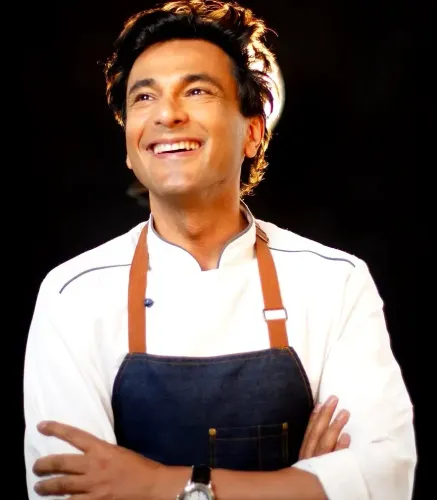
Chef Vikas Khanna is currently a prominent figure on MasterChef India, airing on Sony Entertainment Television and Sony Liv.
Point of View
It's essential to recognize how personal experiences shape culinary narratives. Vikas Khanna’s reflections on Lohri not only highlight cultural significance but also emphasize a broader understanding of food as a means to connect with one’s roots and foster gratitude. His insights resonate with the ethos of celebrating harvest festivals, reinforcing the importance of honoring our agricultural heritage.
NationPress
29 Sept 2026
Frequently Asked Questions
How did Vikas Khanna's childhood influence his cooking?
Vikas Khanna attributes his culinary passion to the rich atmosphere of harvest festivals during his childhood, which fostered a deep appreciation for food and culture.
What are some traditional foods associated with Lohri?
Traditional foods for Lohri include jaggery, peanuts, rewri, gajak, sarson da saag, and makki di roti.
Why are harvest festivals important in India?
Harvest festivals in India celebrate the agrarian culture, highlighting the importance of crops and the gratitude towards the land and farmers.
What is the significance of food in Vikas Khanna's philosophy?
Vikas Khanna believes food is deeply connected to stories, culture, and gratitude, and he emphasizes the importance of respecting ingredients and their origins.