Ruchi Gujjar at Cannes 2025: Actress urges PM Modi to end Ghunghat Pratha
Synopsis
Rajasthan-born actress Ruchi Gujjar walked the Cannes 2025 red carpet in a traditional ghunghat veil — and then called on PM Modi to abolish the practice. Carrying the BJP lotus symbol while protesting a patriarchal tradition, her appearance fused political faith with feminist advocacy in a way that few Cannes moments from India have managed.
Key Takeaways
Ruchi Gujjar used her appearance at the 79th Cannes Film Festival on 20 May 2025 to call for an end to the Ghunghat Pratha .
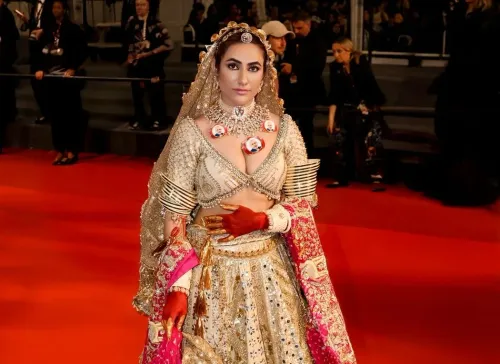
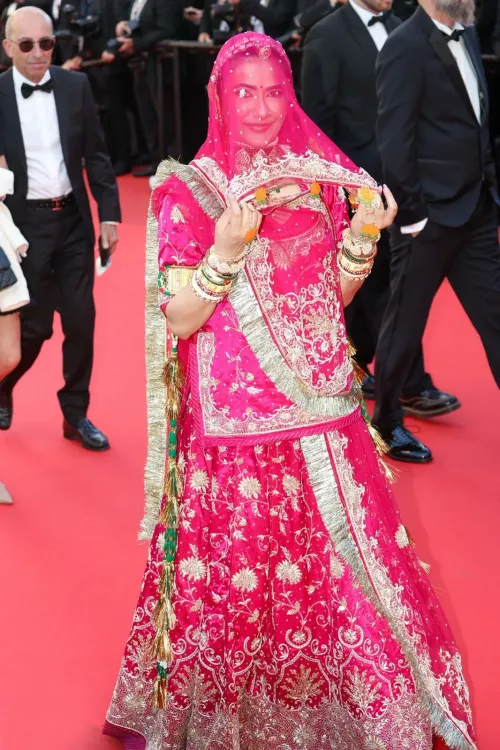
She walked the red carpet in a traditional Rajasthani outfit with a ghunghat veil, merging heritage symbolism with social protest.
Gujjar directly appealed to Prime Minister Narendra Modi to take action against forced veiling practices in rural India.
She carried the BJP lotus symbol, stating her belief that strong political leadership is needed to drive social reform.
Her appearance generated significant social media engagement, with users praising the message as bold and socially impactful.
Bollywood actress Ruchi Gujjar turned her appearance at the 79th Cannes Film Festival into a statement of social activism on 20 May 2025, calling on Prime Minister Narendra Modi to take decisive action against the Ghunghat Pratha — the tradition of women covering their faces with a veil — still widely practised in rural pockets of India. The Rajasthan-born actress used one of the world's most-watched cultural stages to bridge heritage and advocacy in a single, striking appearance.
The Red Carpet Statement
Ruchi Gujjar walked the Cannes red carpet in a traditional Rajasthani-inspired ensemble complete with intricate embroidery, heavy jewellery, and a dramatic ghunghat veil — deliberately evoking the very custom she was protesting. The outfit merged cultural heritage with pointed activism, drawing immediate attention from attendees and observers online. She also carried the BJP's symbolic lotus flower during her appearance, which she said represented her conviction that strong leadership and social awareness are prerequisites for meaningful change.
What Ruchi Gujjar Said
Speaking at the festival, Gujjar stated: 'Ghunghat should never become a woman's identity. Women deserve equal freedom, respect, and opportunities in society. I believe Prime Minister Narendra Modi Ji has always taken bold decisions for the country, and I hope steps will also be taken to create awareness against forced Ghunghat Pratha.'
Her remarks reflect a growing strand of advocacy among artists from Rajasthan and other states where the practice remains entrenched, particularly in rural and semi-urban communities. Gujjar has previously spoken on women's issues linked to rural traditions, and the Cannes platform amplified that message to a global audience.
Social Media Response
Her Cannes appearance drew widespread attention on social media, with users describing it as bold and socially impactful. Many praised her for using a high-profile international platform to spotlight a domestic social issue rather than limiting the moment to fashion or film promotion. The juxtaposition of a global film festival setting and a hyper-local Indian tradition resonated with audiences both in India and abroad.
Broader Context
The Ghunghat Pratha has long been a subject of debate among women's rights groups, sociologists, and policymakers in India. Critics argue that while the veil can be a voluntary cultural expression, in many rural contexts it is imposed on women, restricting their mobility, visibility, and participation in public life. This is not the first time a public figure has raised the issue at an international forum, but the Cannes setting — and the deliberate use of BJP symbolism alongside the call to action — gave Gujjar's intervention a distinctive political edge.
As the conversation around women's freedom and rural reform continues in India, Gujjar's Cannes moment is likely to keep the Ghunghat debate in public discourse in the weeks ahead.
Point of View
But because enforcement of any reform would require deep engagement with community structures that no government has yet been willing to challenge directly. Gujjar's moment will trend; whether it moves the needle is another matter entirely.
NationPress
25 Sept 2026
Frequently Asked Questions
What is the Ghunghat Pratha that Ruchi Gujjar protested at Cannes?
The Ghunghat Pratha is the tradition of women covering their faces with a veil, widely practised in rural parts of India, particularly in states like Rajasthan. Critics argue that while some women observe it voluntarily, in many communities it is imposed, restricting women's mobility and participation in public life.
What did Ruchi Gujjar wear at the 79th Cannes Film Festival?
Gujjar appeared on the Cannes red carpet in a traditional Rajasthani-inspired outfit featuring intricate embroidery, heavy jewellery, and a dramatic ghunghat veil. She also carried the BJP's symbolic lotus flower, framing her appearance as both a cultural statement and a political appeal.
Why did Ruchi Gujjar appeal to PM Modi specifically?
Gujjar stated her belief that Prime Minister Narendra Modi has a track record of taking bold decisions for the country, and expressed hope that his government would create awareness and take steps against the forced practice of the Ghunghat Pratha. She also carried the BJP lotus symbol to underline her faith in the ruling party's leadership.
How did social media react to Ruchi Gujjar's Cannes appearance?
Her appearance drew widespread positive attention on social media, with many users praising her for using a global platform to highlight a domestic social issue. Commentators described the moment as bold and socially impactful, appreciating the fusion of cultural heritage and women's empowerment advocacy.
Is Ruchi Gujjar known for women's rights advocacy?
Yes, Gujjar has previously spoken publicly about women's issues connected to rural traditions in India. Her Cannes 2025 appearance is consistent with a broader pattern of using her public profile to raise awareness about social practices that, she argues, limit women's freedom and dignity.