Shamita Shetty on endometriosis and perimenopause: 'Pain woke me from sleep'
Synopsis
Shamita Shetty's account of living with undiagnosed endometriosis for years — dismissing severe pain as 'part of being a woman' — is a sharp reminder of how routinely women's pain is normalised and under-investigated. Her story, told alongside a specialist surgeon on Soha Ali Khan's podcast, puts a recognisable face on a condition that affects an estimated 42 million women in India.
Key Takeaways
Shamita Shetty revealed her endometriosis diagnosis was significantly delayed after initial routine tests returned normal results.
She dismissed severe pain for years, believing it was a normal part of womanhood — a pattern she says is common among women.
Pain waking her from sleep in the six to eight months before surgery was the turning point that prompted her to seek answers.
Simultaneous onset of perimenopause made it difficult for her to distinguish between the two conditions.
The podcast episode features Dr.
Neeta Warty , a specialist in endoscopic and laparoscopic gynaecological procedures, alongside Shetty's account.
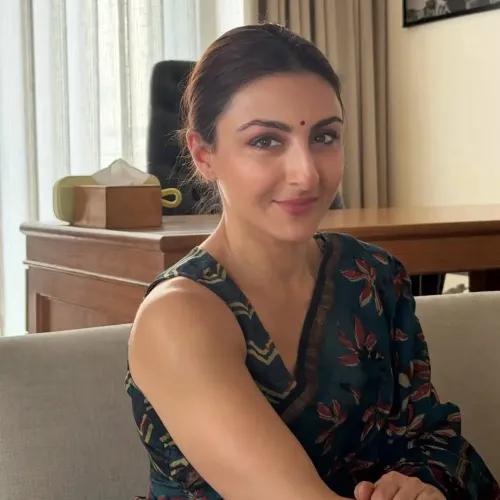
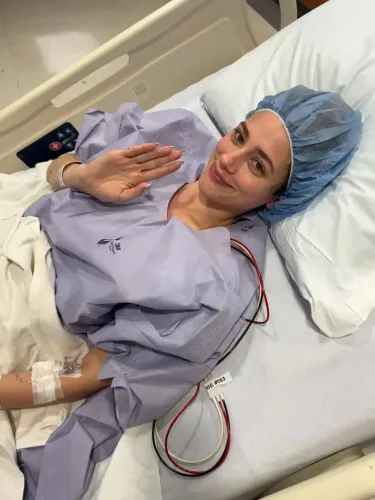
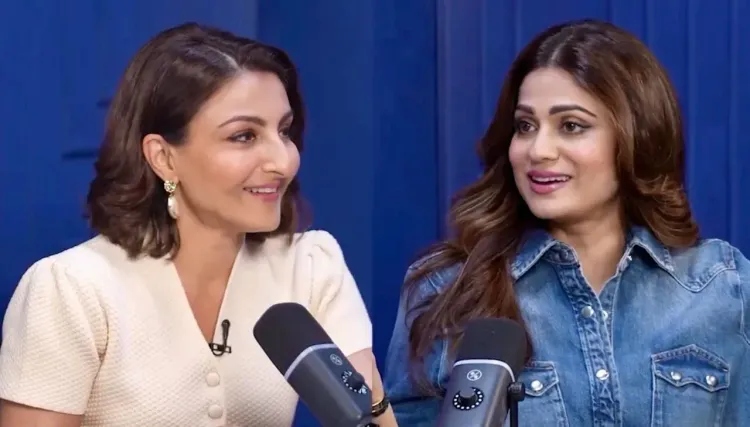
Actress Shamita Shetty has spoken candidly about her years-long battle with endometriosis and the overlapping confusion of navigating perimenopause, revealing that a delayed diagnosis left her dismissing severe pain as a normal part of womanhood. The disclosure came during her appearance on Soha Ali Khan's podcast 'All About Her,' where she was joined by gynaecological surgeon Dr. Neeta Warty.
A Diagnosis That Took Years
Shetty described how her initial consultations failed to identify the underlying condition. 'When I first went to my gynecologist with these concerns, before I was introduced to Dr. Warty, she did all the routine tests, a Pap smear and everything else to make sure everything was okay,' she said. When those results returned normal, the investigation stopped there.
With no clear answer, Shetty said she fell into a pattern of self-dismissal. 'Every time the symptoms returned, I'd think, "Nothing showed up last time, so maybe this is normal. Maybe it's just part and parcel of being a woman,"' she recalled. The actress noted that pain related to periods and hormonal changes is routinely normalised for women, leaving many without the answers they need.
When the Pain Became Impossible to Ignore
Shetty, known for her role in Mohabbatein, said her high pain tolerance — built over years of dealing with physical injuries — initially masked the severity of her condition. The turning point came when the pain began disrupting her sleep. 'When the pain started waking me up from my sleep, that's when I realised something was seriously wrong. My body was trying to tell me that I needed answers,' she said.
She added that the intensity of the pain escalated significantly in the six to eight months before she eventually underwent surgery, a period she described as markedly more severe than anything she had experienced before.
Perimenopause Added to the Confusion
Complicating matters further, Shetty said her endometriosis symptoms coincided with the onset of perimenopause, making it difficult to distinguish between the two. 'There was already so much happening with my hormones that I couldn't tell whether what I was experiencing was just part of perimenopause or whether something else was wrong,' she explained.
This overlap, she indicated, is a common challenge for women in their late thirties and forties, where hormonal shifts can mask or mimic the symptoms of other gynaecological conditions.
Dr. Neeta Warty and the Role of Specialist Care
The episode features Dr. Neeta Warty, described as a pioneer in endoscopic and laparoscopic gynaecological procedures, in conversation with Shetty. The inclusion of a medical expert alongside a patient's first-person account gives the podcast episode particular resonance for audiences seeking both emotional validation and clinical context.
Shetty's openness about her experience adds to a growing public conversation in India around women's reproductive health — a space where awareness, specialist access, and early diagnosis remain uneven. Her account underscores the cost of normalising pain: years of suffering before a treatable condition is identified.
Point of View
Yet average diagnosis times run to nearly a decade in many healthcare systems. India lacks robust national data on the condition, which itself reflects how little institutional priority it has received. Shetty's platform gives the issue visibility, but the structural fix — training GPs to look beyond normal Pap smears, and building specialist referral pathways — remains unaddressed.
NationPress
8 Oct 2026
Frequently Asked Questions
What condition did Shamita Shetty reveal she has been battling?
Shamita Shetty revealed she has been diagnosed with endometriosis, a gynaecological condition in which tissue similar to the uterine lining grows outside the uterus, causing chronic pain. She also discussed the challenges of navigating perimenopause at the same time.
Why was Shamita Shetty's endometriosis diagnosis delayed?
Her initial gynaecological tests, including a Pap smear, returned normal results, leading doctors to conclude nothing was wrong. Without further investigation, Shetty repeatedly dismissed her pain as normal, delaying an accurate diagnosis by several years.
What finally prompted Shamita Shetty to seek a definitive answer?
Shetty said the pain became so severe in the six to eight months before her surgery that it began waking her from sleep. Despite a high pain tolerance built from years of physical injuries, she said that was the moment she knew something was seriously wrong.
How did perimenopause complicate her endometriosis symptoms?
Shetty said the two conditions overlapped in timing, making it hard to tell whether her symptoms were caused by perimenopause or something else. The hormonal changes associated with perimenopause can mimic or mask endometriosis symptoms, adding to diagnostic confusion.
Who is Dr. Neeta Warty, featured in the podcast episode?
Dr. Neeta Warty is a gynaecological surgeon described as a pioneer in endoscopic and laparoscopic gynaecological procedures. She appeared alongside Shamita Shetty on Soha Ali Khan's podcast 'All About Her' to provide clinical context to Shetty's personal account.